What if true leadership isn’t measured by external conquests or titles but by an unshakable inner discipline? Marcus Aurelius’s life exemplifies this profound truth: that wisdom, resilience, and moral strength form an internal empire more enduring than any external power. This exploration reveals how ancient philosophies like Stoicism and Eastern traditions emphasize that mastery over oneself—through self-control, reflection, and moral clarity—is the real foundation of influence. In a world obsessed with fleeting successes, cultivating inner virtues offers a steady resilience amid chaos, guiding decisions with integrity and purpose. Practical tools such as mindfulness, journaling, and resilience training are shown to strengthen our internal fortress daily. Ultimately, the journey toward inner discipline transforms leaders and individuals alike, forging a lasting legacy rooted in authentic strength—raising the vital question: is your true power cultivated within?

Inner Strength Over External Conquest: The Wisdom of Marcus Aurelius
When we think about what truly makes a leader powerful, our minds often jump to visible signs of success—conquering territories, amassing wealth, or commanding respect through titles. These external markers seem to define influence, at least in the moment. But beneath these surface victories lies a deeper question: is genuine strength rooted in what’s visible, or does it come from within—specifically, from inner discipline and moral resilience? This is a debate that has persisted across ages, especially within philosophy and leadership studies.
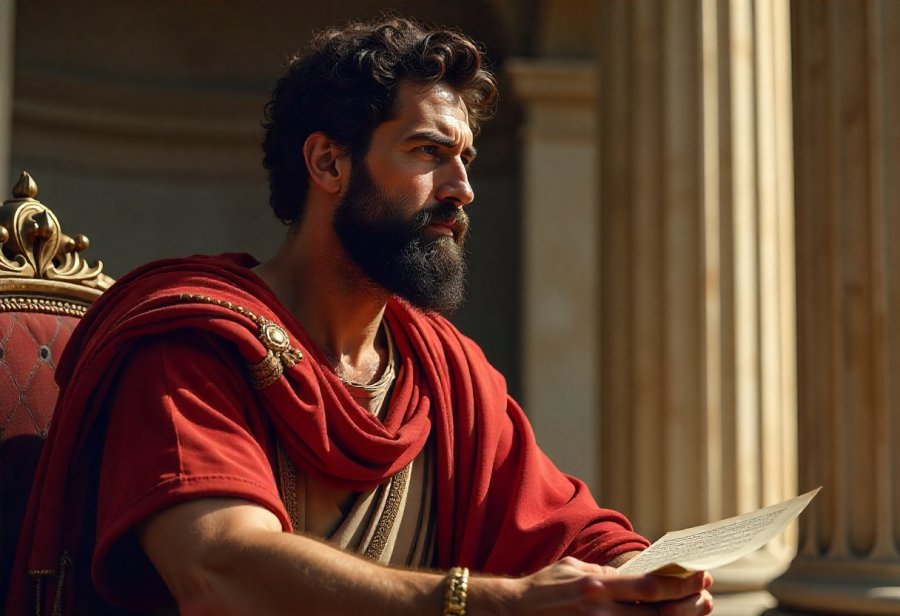
Marcus Aurelius’s life offers a compelling perspective. As Roman emperor and Stoic philosopher, he faced wars, plagues, and political upheaval, yet he remained committed to cultivating inner virtues. His writings reveal that true strength isn’t just about military might or political influence. It’s about mastering oneself—building resilience, practicing self-control, and exercising wisdom. These qualities, he believed, form a foundation that external victories can’t easily shake.
This idea challenges the common view that leadership is primarily about external accomplishments. Sure, titles and victories may impress temporarily, but they don’t guarantee lasting influence. What endures is the inner strength that allows a leader to navigate chaos with calm and clarity. Marcus’s meditations show him regularly turning inward, emphasizing that mastery over the mind and character is the real source of power. His life exemplifies how inner discipline creates a steady, unshakeable foundation—one that sustains a leader through life’s toughest moments.
When leaders focus on cultivating resilience and wisdom within, they build an internal fortress that external circumstances cannot easily dismantle. This inner strength helps them recover from setbacks, make thoughtful decisions, and act with integrity. Such qualities foster trust and respect, which last far longer than fleeting external wins. Marcus demonstrated this by governing with calmness and moral clarity, even amid turmoil, illustrating that inner discipline is a form of true strength that no external conquest can provide.
In a world obsessed with outward success, accepting that inner discipline surpasses external conquest may seem counterintuitive. Yet history offers countless examples of leaders whose influence was rooted in moral character and resilience. Gandhi’s unwavering commitment to nonviolence, Lincoln’s moral conviction during America’s darkest hours, and modern advocates of emotional resilience all point to the same truth: enduring leadership begins from within. It’s a reminder that lasting influence is built on inner virtues, not superficial victories.
Shifting focus inward transforms our understanding of strength. Inner discipline isn’t a one-time achievement but a continuous journey—developed through daily reflection, patience, and moral effort. When we nurture these qualities, we lay a foundation that can weather any storm. This internal mastery becomes the true empire—a steady, resilient core that guides us through chaos and adversity, echoing Marcus Aurelius’s timeless lesson: the greatest strength we can possess is the discipline within.
Tracing the Roots of Inner Discipline in Philosophy and Leadership
The idea of inner discipline has deep roots that stretch back thousands of years, shaping both philosophy and leadership thought across cultures. Ancient Greece and Rome were early bastions of this concept, with Stoic philosophers like Epictetus, Seneca, and Marcus Aurelius emphasizing virtues such as self-control, resilience, and moral integrity as essential for a good life and effective leadership. They believed that true strength arises from mastery over oneself rather than external possessions or power, laying a foundation that continues to influence modern ideas of leadership today.
Over time, the focus shifted from outward displays of strength—like armies or wealth—to inner qualities such as honesty, patience, and emotional regulation. During the Enlightenment, thinkers like Machiavelli examined the importance of moral character and self-mastery, even amid the harsh realities of political power. As leadership theories evolved, especially in the recent past, there’s been a growing recognition that sustainable influence depends heavily on internal virtues. Traits like integrity and emotional resilience are now seen as just as vital as strategic skill or authority.
The influence of Stoicism in particular has been profound. It teaches that many external events are beyond our control, but our responses are within our power. Cultivating wisdom, self-control, and resilience allows individuals to maintain tranquility regardless of chaos or setbacks. This idea isn’t confined to Western philosophy; similar principles appear in Buddhism’s mindfulness practices and Confucian moral cultivation. All these traditions agree that true strength is rooted in governing oneself, making inner discipline a universal virtue that transcends cultural boundaries.
Historical moments further highlight this shift toward internal qualities. The Renaissance saw figures like Machiavelli emphasizing the importance of moral virtue over brute force, hinting that internal strength is key to lasting influence. Later, models like transformational and authentic leadership emphasized self-awareness and moral clarity, reinforcing that effective leaders understand and control their inner worlds. These developments underscore the idea that inner discipline isn’t just a personal virtue but a strategic asset for enduring leadership.
Today, the relevance of inner discipline remains strong. Modern practices such as mindfulness, meditation, and reflective journaling are widely adopted tools to develop resilience and self-awareness. These approaches, inspired by ancient philosophies, are adapted to fit the demands of our fast-paced, interconnected world. They help individuals build mental fortitude, manage stress, and stay true to their values amid constant change, demonstrating that inner strength is a skill that can be cultivated through consistent effort.
Understanding the historical development of inner discipline reveals it as more than a personal virtue—it’s a crucial foundation for authentic leadership. This long-standing tradition shows that internal mastery transforms fleeting external power into lasting influence. Cultivating inner resilience and moral clarity not only shapes better leaders but also creates a resilient inner empire that can withstand external upheavals. In the end, this legacy reminds us that the real strength of a leader lies within.

Applying Inner Strength: Modern Practices and Cultural Traditions
Modern leaders and individuals are increasingly turning to practical methods to cultivate and sustain inner strength in daily life. Meditation and mindfulness have become popular tools, helping people stay present and manage emotions during stressful moments. These practices foster awareness of thoughts and feelings, making it easier to pause before reacting impulsively and instead choose responses aligned with long-term values. Regular reflection through journaling complements this process, encouraging honest self-assessment of motivations, reactions, and setbacks. Over time, this self-awareness builds a foundation for more deliberate decision-making and emotional regulation.
Resilience training programs are gaining traction in workplaces and personal growth circles alike. These often include stress management exercises, cognitive reframing, and adaptive thinking strategies designed to help people handle setbacks with calmness and clarity. Such approaches emphasize that inner discipline isn’t about suppressing emotions but about developing a resilient mindset that allows bouncing back and adapting when faced with adversity. Many of these methods draw inspiration from ancient philosophies like Stoicism and Buddhism but are tailored to meet the demands of today’s fast-paced, interconnected world. Consistent practice strengthens inner strength, making it a skill that grows over time.
Different cultures offer their own ways of nurturing inner discipline. East Asian traditions, like Buddhist meditation, teach mental clarity and detachment from fleeting desires, emphasizing resilience and moral integrity. In Japan, the Bushido code highlights discipline, loyalty, and self-control as core virtues for leaders. Indigenous communities often incorporate storytelling, rituals, and spiritual practices to build resilience and inner resolve, viewing these qualities as essential to cultural identity. Western traditions tend to focus on emotional intelligence and self-awareness, encouraging reflection and deliberate self-regulation. These diverse approaches demonstrate that inner discipline remains a universal virtue expressed through culturally rooted practices.
In today’s leadership landscape, the debate continues about balancing external achievements with internal mastery. While tangible results such as influence or market success are still valued, more leaders recognize that sustainable impact depends on inner qualities. Resilience, moral clarity, and wisdom help leaders stay grounded amid rapid change and moral complexity. Developing inner discipline is no longer optional; it’s a strategic asset that supports authentic influence. By investing in inner strength, leaders build a resilient foundation capable of guiding their actions with integrity and inspiring trust over the long term.
Practicing these principles daily makes a tangible difference. Developing self-control and resilience improves decision-making, especially under pressure, allowing us to handle setbacks more effectively. Habits like mindfulness, journaling, and resilience exercises cultivate inner confidence and clarity that fuel ongoing growth. This internal fortitude helps us stay aligned with our values and long-term goals, transforming reactive tendencies into deliberate, purpose-driven actions. Over time, these practices become second nature, shaping us into more resilient and authentic individuals and leaders.
Ancient philosophies continue to inform modern practices of inner discipline. Buddhist mindfulness fosters mental clarity and emotional detachment from fleeting desires. The Bushido code emphasizes discipline, loyalty, and moral integrity, while Indigenous communities use storytelling and rituals to strengthen resilience and cultural identity. Western approaches focus on emotional intelligence and self-awareness, encouraging deliberate reflection and regulation. These traditions show that inner discipline is a universal virtue, expressed through diverse methods that adapt to contemporary life’s demands. They reinforce that consistent effort in cultivating inner strength is essential for personal growth and effective leadership.
Building inner discipline is a lifelong journey that shapes how we lead, make decisions, and face challenges. As we develop self-control and resilience, we create an internal empire of strength that sustains us through chaos and adversity. Leaders who cultivate this inner resilience not only make more thoughtful choices but also inspire loyalty and trust. Their influence becomes rooted in moral clarity and stability, qualities that cannot be taken away by external circumstances. Inner discipline, practiced daily, transforms us from reactive beings into steady, authentic forces capable of lasting impact.
From Theory to Action: The Impact of Inner Discipline on Leadership and Personal Growth
Inner discipline is not just a philosophical ideal; it has concrete effects on how we lead and grow every day. When leaders cultivate self-control and resilience, their decisions become sharper, especially under pressure. They’re better equipped to stay calm amid chaos and act with integrity, which in turn builds trust and stability within their teams or communities. This internal strength provides a solid foundation that helps navigate complex situations with clarity and moral purpose, making their influence more enduring.
On a personal level, developing inner discipline enhances our ability to manage stress and focus on what truly matters. By practicing self-control, impulsive reactions fade, replaced by deliberate responses aligned with our long-term values. Over time, this shift fosters a sense of inner peace and confidence, fueling ongoing growth and achievement. It’s about moving from reactive living to thoughtful, purpose-driven action—empowering us to face setbacks with resilience rather than frustration.
History offers inspiring examples of leaders whose influence was rooted in inner strength. Mahatma Gandhi’s unwavering commitment to nonviolence, Lincoln’s moral clarity during America’s darkest hours, and modern figures emphasizing emotional resilience all demonstrate that lasting impact depends on inner virtues. Their ability to remain steady amid adversity shows that inner discipline acts as a moral compass, guiding actions even when external circumstances threaten to overwhelm.
Building inner discipline is accessible to anyone willing to commit to consistent effort. Practices like meditation and mindfulness help us stay present and regulate emotions during stressful moments. Journaling encourages honest self-reflection, revealing patterns and triggers that influence reactions. Resilience exercises, including stress management and cognitive reframing, strengthen our capacity to recover from setbacks. Inspired by ancient philosophies, these methods are adaptable and powerful tools for cultivating mental fortitude in today’s fast-paced world.
This inner work has broader societal benefits as well. Leaders who develop self-control and moral clarity inspire trust, foster collaboration, and create environments where integrity thrives. Their steady presence provides a moral anchor in turbulent times, influencing others to adopt similar virtues. By prioritizing inner discipline, we contribute to a culture that values resilience, authenticity, and ethical strength—qualities essential for addressing today’s complex challenges.
Practicing these principles daily transforms not only our leadership but also our personal lives. Developing habits like mindfulness, journaling, and resilience training helps us make thoughtful decisions, handle stress effectively, and recover from setbacks more quickly. Over time, these practices become second nature, filling us with a quiet confidence rooted in inner strength. This ongoing effort shapes us into more resilient, authentic individuals capable of inspiring others through example.
Ultimately, cultivating inner discipline is a lifelong journey that shapes how we lead, decide, and respond to life’s challenges. As we strengthen our internal fortress, we create a lasting foundation that sustains us through chaos and adversity. Leaders who embody this inner resilience are better equipped to inspire trust and loyalty, making their influence truly enduring. By investing in our inner virtues daily, we build an empire of strength that no external force can diminish.
The Lasting Power of Inner Discipline: Embracing Wisdom as the True Empire
Inner discipline is the true foundation of lasting strength and authentic leadership. While external accomplishments—titles, victories, or influence—may capture fleeting attention, they rarely leave a durable legacy. The real power resides within, rooted in resilience, wisdom, and self-control. These inner virtues form an unshakeable core that shields us from chaos and temptation, ensuring our impact endures beyond superficial successes.
A leader’s inner strength influences every choice, especially in moments of crisis. Those who have cultivated discipline and clarity can remain calm amid turmoil, making decisions with integrity and moral purpose. This steadiness builds trust and respect, creating a resilient foundation that withstands external upheavals. Marcus Aurelius exemplified this truth, demonstrating that a ruler’s greatest empire is within—governed by mastery over the mind and spirit that external forces cannot dismantle.
Inner discipline also fuels personal resilience. It’s what enables leaders and individuals alike to bounce back from setbacks, adapt to change, and stay true to their purpose despite external pressures. Wisdom and self-control act as moral compasses, guiding deliberate actions rather than impulsive reactions. This internal clarity becomes a moral anchor, aligning behavior with long-term values rather than short-term gains. It’s the steady hand that ensures influence rooted in integrity rather than fleeting influence.
Recognizing inner discipline as the true source of strength shifts our focus from surface-level metrics to genuine mastery. It’s a continuous journey—developed through daily reflection, patience, and moral effort. Cultivating this inner empire requires consistent effort, but the reward is a resilient foundation that can face any storm. Over time, this inner fortress shapes how we lead, decide, and respond, transforming us from reactive beings into steady, authentic forces.
Leaders like Gandhi and Lincoln show that lasting influence springs from inner virtues that no external force can diminish. Their moral clarity and resilience created a legacy that endures beyond fleeting external gains. Building this inner empire is about forging a reservoir of strength that sustains us in turbulent times and inspires others to follow suit. It’s a quiet power—one that, when nurtured daily, becomes unshakable and truly eternal.
This journey of inner discipline is ongoing, a lifelong pursuit of moral and mental refinement. Each act of patience, each reflection, each effort to stay grounded adds to the strength of that internal empire. As we deepen this inner reservoir, we become better equipped to lead authentically and influence positively. Our impact is then rooted in unwavering integrity, making it more meaningful and enduring.
In the end, the greatest power a leader can possess resides within—an empire of wisdom, resilience, and self-control that no external conquest can threaten. By prioritizing inner virtues, we build a legacy that withstands the tests of time and chaos alike. The true strength of leadership isn’t measured by what’s gained externally but by the internal mastery cultivated day after day. That inner discipline, once established, becomes an unbreakable source of influence and enduring strength.