



Learning to ride a bike stands as a universal rite of passage that beautifully intertwines courage, independence, and family bonds. This journey is marked by wobbly starts, inevitable falls, and triumphant triumphs—each teaching resilience and perseverance. But does the fear of falling overshadow the thrill of newfound freedom? As children master balance and steering, they discover more than just a skill—they gain confidence, responsibility, and a sense of self-reliance that extends beyond the bicycle. Societal attitudes and environmental influences shape how children perceive risks, influencing whether they embrace challenges or retreat from them. The emotional and physiological growth experienced during this process underscores vital life lessons: setbacks are stepping stones, effort leads to mastery, and courage is often built through facing fears. Ultimately, learning to ride is a metaphor for overcoming life’s obstacles—reminding us that the greatest growth often emerges when we dare to pedal through our fears.
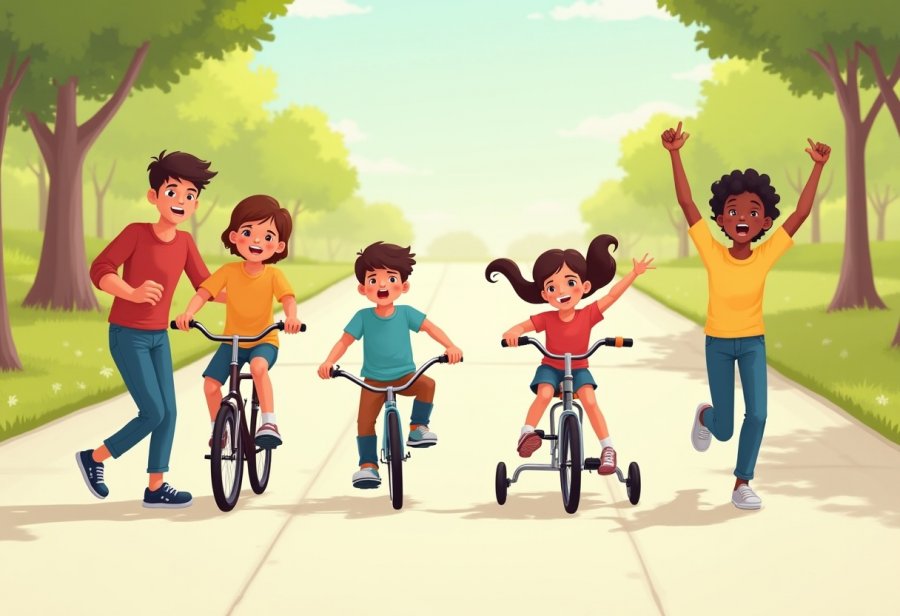
Celebrating the Milestone of Learning to Ride: Courage, Independence, and Family Bonds
Learning to ride a bike is more than just a childhood skill; it’s a milestone packed with meaning. It symbolizes courage, independence, and the support of family. From those first wobbly attempts to the triumphant moment of riding solo, each step marks a shift in confidence and self-reliance. It’s a shared experience that families remember for years—filled with nerves, laughter, and pride—bringing loved ones together in a moment of collective achievement.
This rite of passage often unfolds in quiet neighborhoods or park paths, where parents and siblings cheer from the sidelines. Their presence turns a simple lesson in balance into a bonding ritual, reinforcing the idea that growth is a team effort. The encouragement and patience offered along the way create an environment where children feel safe to push their limits, knowing they have support no matter what happens.
Learning to ride also introduces children to the thrill of independence. As they master balancing and steering, they begin to see themselves as capable explorers, navigating the world with a new sense of confidence. Every successful ride, no matter how short, becomes a symbol of their growing ability to face challenges on their own. It’s a moment of empowerment, where physical skill meets emotional strength, setting the stage for future adventures.
The journey isn’t without its setbacks. Wobbles and falls are part of the process, often accompanied by a mix of frustration and determination. Yet, these moments teach resilience—showing kids that setbacks are just stepping stones rather than failures. With each attempt, they learn that perseverance and support turn stumbling blocks into opportunities for growth, making the eventual achievement all the sweeter.
Ultimately, learning to ride a bike captures the essence of childhood: a blend of vulnerability and bravery, supported by love and encouragement. It reminds us that facing fears can lead to incredible freedom. When children take that first pedal stroke, they’re not just learning a new skill—they’re embracing a lifetime of confidence, independence, and the bonds that carry them through life’s many journeys.
The Mind and Body Connection: How Learning to Ride Builds Balance, Coordination, and Confidence
Learning to ride a bike engages both a child’s developing brain and body in ways that lay the foundation for many future skills. As children practice, they’re not just learning to stay upright; they’re strengthening key motor abilities like balance and coordination. These skills are rooted in the cerebellum, the part of the brain responsible for movement control, which becomes more refined through each wobble and correction. Repetition is vital here, as every attempt helps solidify muscle memory, making future rides feel more instinctive and less intimidating.
Physically, the process boosts confidence as children accomplish small milestones—such as balancing for a few seconds or pedaling a few feet without wobbling. These moments provide tangible proof of their growing abilities, encouraging them to push further. When guided with positive reinforcement from parents and caregivers, children associate effort with progress, fostering a resilient mindset that’s essential for overcoming challenges.
Fears of falling are natural but manageable. As children experience small successes, like maintaining balance or navigating a turn, they begin to see setbacks as part of the learning curve. Normalizing falls helps them understand that failures aren’t defeats but stepping stones toward mastery. This mindset builds resilience and encourages them to get back on the bike after every wobble, reinforcing that persistence is key.
Developing visual-spatial awareness is another crucial aspect. Each successful ride helps children read their environment better—judging distances, adjusting speed, and steering around obstacles. These skills not only improve their cycling but also foster a sense of control and mastery that extends into other areas of life. Confidence in navigating their surroundings translates into broader independence, empowering kids to explore new challenges with trust in their abilities.
The act of balancing and steering isn’t just about physical coordination; it’s a mental exercise in trust—trust in their strength, judgment, and resilience. As children become more comfortable on their bikes, they start to see themselves as capable explorers, ready to face new adventures. This confidence in their physical and mental skills forms a foundation that supports lifelong independence and adaptability.
Throughout this journey, the physiological and psychological developments reinforce each other. Physical mastery boosts confidence, which in turn motivates more practice and improvement. The process of learning to ride teaches children that effort, patience, and perseverance are essential ingredients for growth. These lessons, once internalized, influence their approach to challenges far beyond childhood, shaping resilient, self-reliant individuals prepared for whatever lies ahead.
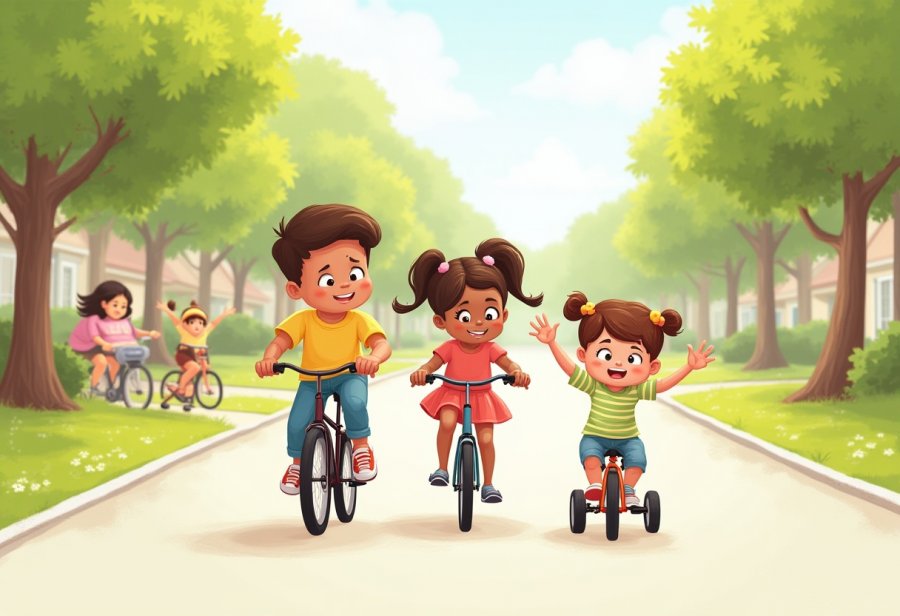
Facing Fears and Societal Influences: Challenges and Conflicts in the Learning Journey
Learning to ride a bike isn’t just about mastering balance and pedaling; it’s also shaped by the social and emotional environment surrounding the process. Many children come into this milestone carrying fears rooted in personal experiences or stories they overhear. Tales of falls and injuries can create mental barriers, making some hesitant to even try. Parents, sometimes overly cautious, may unintentionally reinforce these fears, slowing progress or dampening enthusiasm.
Cultural attitudes toward cycling play a significant role in how children approach learning. In communities where biking is celebrated and normalized, children often start early and see falls as a natural part of the process. Such environments foster resilience, encouraging kids to get back on after tumbles without shame. Conversely, places that emphasize safety and risk avoidance can create a climate of hesitation, where children feel less confident and more anxious about trying altogether.
Society’s perception of risk extends beyond families to schools and community programs. Some physical education initiatives actively promote cycling safety and skill-building, helping children view falls as manageable setbacks. Others, concerned about liability, shy away from encouraging biking, sending subtle messages that it’s dangerous. This cautious stance can increase anxiety, making children more prone to giving up after a fall.
Fears about falling are often magnified by media stories or anecdotal tales, which tend to exaggerate injuries and dangers. When safety concerns dominate the narrative, children may internalize that falling is shameful or perilous, rather than a normal part of learning. Overprotective attitudes from adults can further reinforce this idea, creating a cycle where fear prevents attempts altogether. Recognizing that falls happen and normalizing them helps shift the focus from fear to growth.
Inside the child, conflicting feelings often emerge: a desire to learn paired with doubt or fear. Many want to ride confidently but are held back by worries of failure. When societal messages emphasize success without setbacks, children may feel pressure to avoid mistakes at all costs. Supportive adults who frame falls as part of the journey can help ease these internal conflicts, encouraging persistence and resilience.
Across different cultures and communities, attitudes toward learning to ride vary widely. In places like the Netherlands or Denmark, cycling is woven into daily life, and falls are seen as a natural step in development. These environments foster a mindset of resilience and independence, making children more willing to take risks and learn from their mistakes. Recognizing these differences reminds us that societal perceptions are malleable—they can be shaped to support positive, empowering experiences with learning to ride.
Beyond the Bike: How Learning to Ride Shapes Confidence, Responsibility, and Life Skills
Learning to ride a bike extends far beyond the physical act of balancing on two wheels; it seeds core skills that shape how children navigate the world and build their confidence. The patience and perseverance needed during those initial wobbling moments teach kids that progress often comes gradually. Facing setbacks and pushing through them fosters resilience, a trait that encourages tackling challenges in school, social settings, and future endeavors with a stronger mindset.
Mastering cycling naturally boosts independence. When children realize they can control their bike, steer around obstacles, and explore new environments, they develop trust in their abilities. This growing self-reliance encourages curiosity and a willingness to venture into unfamiliar territory—both literal and metaphorical—further expanding their sense of agency and confidence in themselves.
Cycling also subtly instills responsibility. Kids learn the importance of safety—wearing helmets, checking their equipment, and obeying traffic rules—and these lessons in accountability mirror broader life skills. When they see that careful effort and adherence to guidelines lead to successful rides, they internalize discipline and self-care that benefit them well beyond childhood.
Overcoming the fear of falling is a powerful lesson in emotional strength. Each time kids get back on after a tumble, they reinforce that setbacks are part of growth. This mindset of viewing failures as opportunities rather than defeats encourages resilience, patience, and a growth-oriented attitude. These qualities help children face future obstacles with optimism and a problem-solving approach, whether in academics, relationships, or personal pursuits.
Learning to ride also fosters social skills. Riding with friends, waiting turns, sharing space, or helping each other with repairs cultivates communication, empathy, and cooperation. These shared experiences build a sense of community and teach that growth is often supported by collaboration and encouragement, reinforcing the idea that success is rarely achieved alone.
Ultimately, the journey of learning to ride a bike acts as a microcosm for life’s broader lessons: facing fears, embracing effort, and celebrating progress. It shows children that setbacks are just steps on the path to mastery and that confidence grows from persistence and support. These lessons, learned early and reinforced through every pedal stroke, lay a foundation for resilient, self-assured individuals ready to face whatever challenges lie ahead.
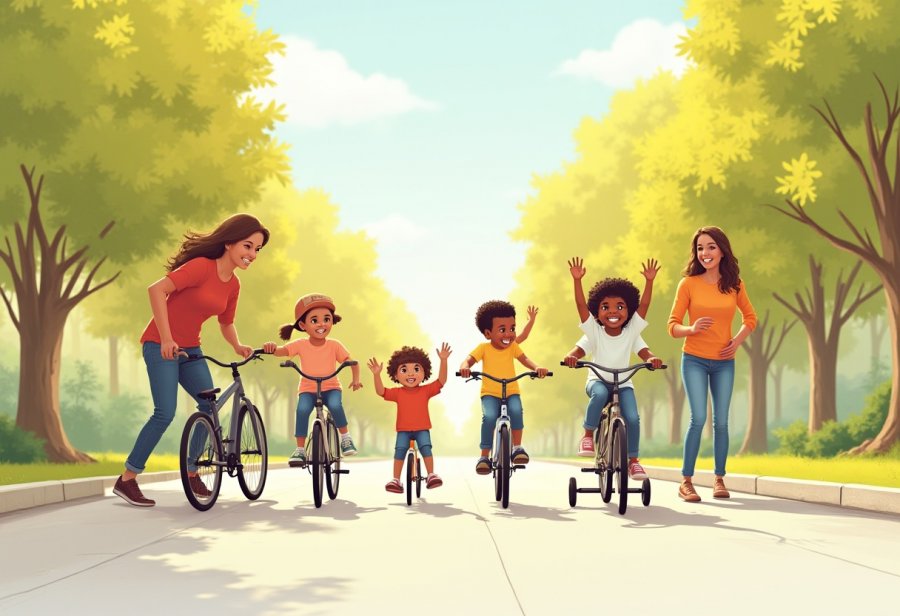
Balancing Fear and Thrill: Embracing Growth Through the Journey of Learning to Ride
Learning to ride a bike is a perfect example of how fear and thrill often go hand in hand. At first, it’s natural to feel nervous about falling or losing control, and those worries can seem overwhelming. But it’s precisely through facing those fears that children discover their resilience and courage. The initial discomfort isn’t a sign of failure; it’s part of the process that leads to growth. When kids push past their anxieties, they often find a surprising sense of freedom and confidence waiting on the other side. This delicate balance of fear and excitement is what makes the achievement so rewarding and memorable.
The journey teaches us that bravery isn’t about never feeling scared—it’s about choosing to act despite those feelings. Supportive adults, whether parents or friends, play a crucial role in creating a safe environment where children can experiment without feeling judged. Encouragement and patience allow kids to embrace the challenge at their own pace, making the experience less intimidating and more empowering. Each fall becomes less of a setback and more of a stepping stone, illustrating that setbacks are just part of the learning curve, not the end of the road.
As confidence grows, the initial fear transforms into a sense of independence. Kids realize that falling isn’t the worst thing—it’s a natural part of learning, and every wobble brings them closer to mastery. The thrill of that first successful ride, the wind in their face, and the smile of achievement outweigh the earlier worries. This shift in perception makes the journey so meaningful, showing that embracing fears is often what leads to the most genuine sense of accomplishment.
This process of balancing fear and thrill isn’t limited to childhood; it’s a lesson for all of us. Every new challenge involves a dance between hesitation and excitement. Learning to manage this tension helps develop resilience, patience, and confidence. The key isn’t to eliminate fear entirely but to work with it—acknowledging it, understanding it, and moving forward anyway. That’s how growth happens, whether on two wheels or through any other life challenge.
The experience of learning to ride a bike reminds us that the most memorable moments come from pushing our limits while feeling supported. It’s about trusting ourselves enough to take that first pedal stroke, even when nerves flutter. The thrill of progress, combined with the courage to face fears, creates a lasting sense of achievement. Once we’ve experienced that balance, facing future challenges becomes easier, and we carry the lessons of resilience and bravery into every new endeavor.
In the end, the journey of mastering a bike becomes a metaphor for life’s broader lessons. It shows us that growth often requires stepping into the unknown despite fear. The courage to try, the patience to fall and get back up, and the joy of small victories all contribute to building a resilient spirit. Learning to ride isn’t just a childhood milestone—it’s a lifelong lesson: that the risk of falling can lead to the thrill of flying, if only we’re willing to take the first step.