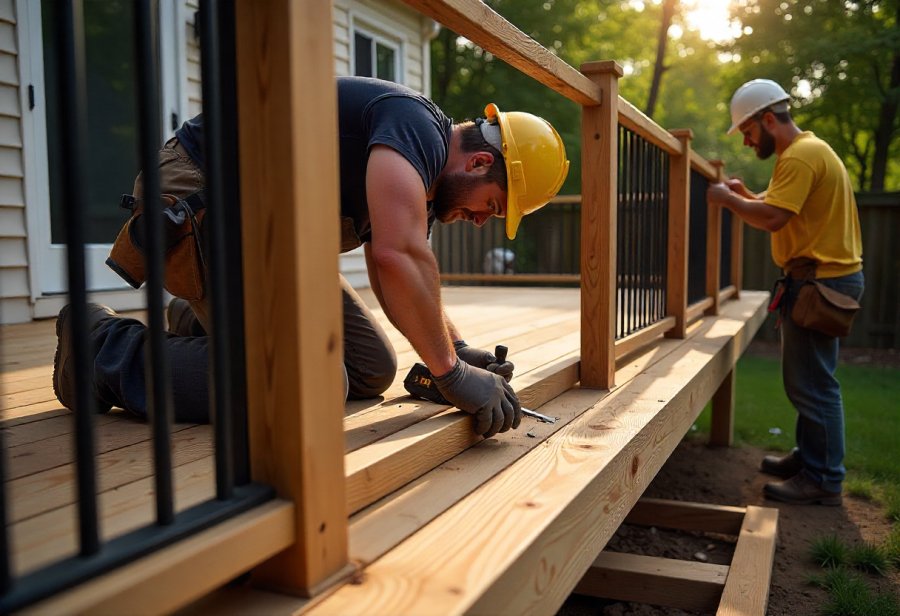




Transforming Toronto yards into breathtaking outdoor retreats is more than just aesthetic ambition—it’s a delicate dance between beauty, sustainability, and long-term resilience. How can homeowners achieve lush, inviting landscapes that also support local ecosystems and conserve resources amid Toronto’s climate challenges? This guide reveals that native plants, water-smart features like rain gardens, and eco-friendly materials are essential in crafting environments that are both visually stunning and ecologically responsible. Expert insights emphasize meticulous design and careful implementation, from site preparation to ongoing maintenance, ensuring sustainability endures over time. As future trends point toward smarter technology, biodiversity integration, and climate-resilient plant choices, one wonders—can these innovations truly harmonize beauty with environmental stewardship? The answer lies in a collaborative, informed approach—proving that environmentally conscious landscape design isn’t just possible but essential for shaping Toronto’s greener future. Are you ready to reimagine your yard as a resilient, stunning sanctuary?
Transform Your Outdoor Space with Expert Backyard Makeovers in Toronto
Looking to elevate your outdoor living in Toronto? Toronto Landscape & Design (TLD) offers stunning backyard makeover solutions tailored to your needs. Our award-winning designers incorporate natural stone, water gardens, irrigation systems, and retaining walls to create breathtaking landscapes. We take every detail into account, ensuring your backyard reflects your style and functionality. Whether you want a serene water feature or a durable retaining wall, TLD has the expertise to bring your vision to life. Contact us today at 1.416.644.0499 or email [email protected] to start your transformation.
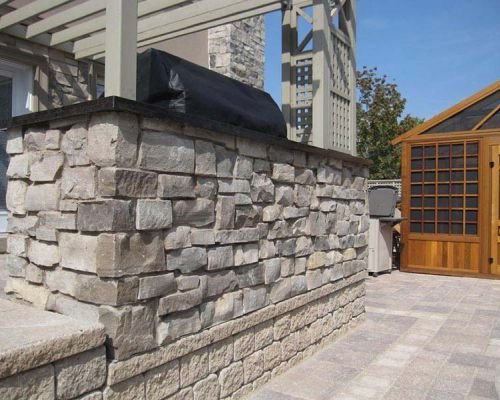
Transform Toronto Yards into Eco-Friendly Outdoor Retreats
Transforming Toronto yards into inviting, sustainable outdoor retreats is both an exciting challenge and a vital opportunity. Urban spaces are often limited, and Toronto’s climate—characterized by cold winters and warm summers—demands strategic planning. The goal isn’t just aesthetic appeal but creating landscapes that are environmentally responsible, support local ecosystems, and conserve resources.
Achieving this balance starts with thoughtful design. Native plants are central to sustainable landscaping because they’re naturally adapted to our weather patterns, requiring less water, fertilizers, and pesticides. Incorporating these species not only reduces maintenance costs but also provides habitat and food for native wildlife, enriching the local ecosystem. Water-wise features like rain gardens and permeable paving help manage stormwater effectively, preventing erosion and runoff while adding visual interest.
Functionality is equally important. A well-designed yard should seamlessly blend beauty with usability—inviting spaces for relaxation, pathways for movement, and versatile plantings that support year-round enjoyment. Using eco-friendly materials such as reclaimed wood or locally sourced stone minimizes environmental impact and adds character. These choices help transform outdoor areas into personal retreats that reflect the homeowner’s style and eco-conscious values.
Turning a design into reality involves careful execution. Working with contractors experienced in sustainable practices ensures that every step—from site prep to plant installation—aligns with eco-friendly principles. Proper grading, soil conditioning, and strategic plant placement create a resilient landscape capable of withstanding Toronto’s climate. Regular supervision during installation helps catch issues early, setting the stage for long-term durability.
Post-installation care is just as crucial. Routine inspections, organic mulching, and efficient watering schedules maintain plant health and conserve resources. Using organic compost and avoiding chemicals supports ecological integrity, ensuring the landscape remains vibrant and sustainable over time. Attention to detail during this phase guarantees that the yard not only looks great but also functions well for years to come.
Ultimately, transforming a yard into a beautiful, eco-friendly retreat isn’t just about aesthetics—it’s about creating a space that endures. When design and installation are carefully coordinated, homeowners gain a landscape that’s both visually stunning and environmentally sound. These outdoor retreats become personal sanctuaries and contributions to Toronto’s greener future, proving that beauty and sustainability can go hand in hand.
Design Principles that Marry Beauty with Sustainability
Creating a beautiful and sustainable yard starts with understanding core design principles that marry aesthetics with eco-responsibility. Native plants are essential in this approach—they’re naturally adapted to Toronto’s climate, thriving with minimal watering, fertilizers, or pesticides. Using these species not only reduces maintenance costs but also supports local wildlife by providing habitat and food, enriching the surrounding ecosystem.
Water management is another key element. Features like rain gardens, permeable paving, and drip irrigation systems help conserve water and control stormwater runoff. These practical solutions don’t just serve a functional purpose—they also become focal points that enhance the visual appeal of the yard. Proper installation and maintenance are crucial; when designed correctly, they prevent erosion and flooding while adding texture and interest.
Designing with functionality in mind ensures that outdoor spaces serve multiple purposes. Thoughtfully placed pathways, seating areas, and storage solutions create a cohesive layout that supports daily living and relaxation. Layering textures and plant groupings adds depth without clutter, making the yard feel lush yet organized. Every element should support both beauty and practicality, creating a space that’s inviting and efficient year-round.
Eco-friendly materials further enhance sustainability. Reclaimed wood, recycled stones, and biodegradable mulches reduce environmental impact while adding character. These materials often introduce unique visual elements, whether rustic or modern, that complement the overall design. Prioritizing sustainable options in every detail ensures the landscape remains environmentally responsible long after installation.
Versatility is vital for resilient outdoor spaces. A well-designed yard adapts to seasonal changes and evolving needs. Modular features and flexible planting schemes allow homeowners to enjoy their outdoor retreat throughout the year, minimizing the need for redesigns. This adaptability extends the lifespan of the landscape, keeping it relevant and sustainable over time.
Blending thoughtful plant choices, water-smart features, and sustainable materials creates outdoor spaces that are both striking and eco-conscious. The goal is to craft landscapes that look stunning today and remain resilient for years to come. When beauty and sustainability work together, yards become more than just attractive—they transform into reflections of a homeowner’s commitment to a greener, healthier environment.
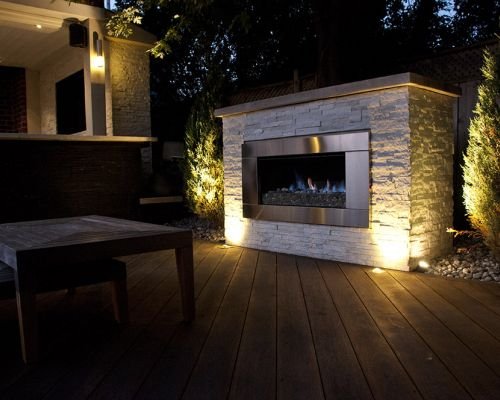
Turning Sustainable Plans into Lasting Landscapes
Turning a well-designed landscape plan into a thriving outdoor space requires careful execution and attention to detail. Selecting contractors who understand both aesthetic goals and sustainable practices is crucial. Professionals experienced in eco-friendly landscaping ensure that every step, from site preparation to plant installation, aligns with the project’s green principles. Clear communication between designers, installers, and homeowners helps set realistic expectations and prevents costly mistakes, keeping the project on track and true to its vision.
Site preparation lays the groundwork for success. Proper grading, soil conditioning, and strategic placement of native plants create a resilient yard capable of weathering Toronto’s climate extremes. Using eco-friendly materials like recycled gravel or reclaimed wood minimizes environmental impact and adds character. During installation, meticulous attention—such as ensuring proper drainage and correct plant spacing—sets the foundation for long-term health and durability.
Supervision shouldn’t stop once work begins. Regular oversight and quality checks catch issues early, whether it’s improper soil placement, inadequate plant support, or drainage concerns. Addressing these problems promptly prevents larger, more expensive fixes later. Every decision made with sustainability in mind—avoiding chemical fertilizers and opting for organic mulches—helps maintain ecological integrity and supports vibrant, healthy growth.
Features like rain gardens and permeable paving require precise installation to function properly. Native plants should be positioned to maximize their growth potential while supporting local wildlife, creating harmony between beauty and ecological health. Incorporating eco-friendly structures such as reclaimed wood pergolas or solar-powered lighting adds visual interest without compromising sustainability, elevating the yard from a simple outdoor space to a personal sanctuary.
Post-installation care is just as vital as the build itself. Regular inspections for pests and diseases, timely pruning, and mulching conserve moisture and suppress weeds, reducing the need for chemicals. Implementing efficient watering schedules—early mornings or late evenings—further conserves resources. Organic compost enriches the soil, keeping plants vigorous and landscapes thriving year after year.
Involving homeowners throughout the process fosters confidence and a sense of ownership. When clients understand how the elements work together—native plants, water-smart features, eco-friendly materials—they’re more likely to support ongoing maintenance and future enhancements. This collaborative approach ensures the landscape remains beautiful, functional, and sustainable over time.
By focusing on meticulous execution and ongoing care, contractors turn innovative designs into lasting realities. When every step is aligned with eco-conscious principles, the result is a resilient yard that beautifully balances form and function. The seamless integration of design, installation, and maintenance creates outdoor retreats that truly stand the test of time, fulfilling both aesthetic desires and sustainability goals.
Industry Experts Share Insights on Green Outdoor Spaces
Landscape professionals consistently emphasize that creating sustainable outdoor designs in Toronto combines creativity with practical eco-conscious practices. They often highlight that starting with native plants is one of the most effective steps, as these species are naturally suited to our climate and require minimal watering, fertilizers, or pesticides. Incorporating native plants not only reduces maintenance costs but also supports local wildlife, providing vital habitat and food sources. This approach ensures that landscapes are both beautiful and ecologically responsible from the outset.
Water management remains a cornerstone of professional advice. Experts recommend integrating features like rain gardens, permeable paving, and drip irrigation systems, which help conserve water and manage stormwater runoff efficiently. When these elements are designed and installed properly, they can become striking focal points that enhance the overall aesthetic while performing a vital environmental function. Proper maintenance and periodic upgrades are crucial to keep these systems working at peak efficiency and to sustain their benefits over time.
Keeping up with industry innovation is another key aspect professionals stress. Advances in smart irrigation technology, recycled materials, and eco-friendly lighting are transforming landscape design. Experts advise that adopting these innovations not only improves the environmental footprint but also adds modern, stylish touches that elevate outdoor spaces. Staying informed about emerging trends enables designers to push creative boundaries while ensuring their work aligns with sustainability goals.
Clear communication with clients is fundamental for success. Industry leaders suggest that setting realistic expectations early in the project and educating homeowners about the benefits of native plants, water-efficient features, and eco-friendly materials fosters trust and enthusiasm. When clients understand how such choices contribute to long-term savings and environmental health, they are more likely to support innovative, green solutions throughout the process. This collaborative approach results in landscapes that genuinely reflect both aesthetic and ecological priorities.
Many case studies across Toronto demonstrate how expert-led projects successfully blend beauty with responsibility. From lush native gardens featuring rain gardens and permeable pavements to modern yards built with recycled materials and native grasses, these examples prove that sustainability and visual appeal can go hand in hand. When professionals apply their expertise with care and precision, they create outdoor spaces that are resilient, functional, and inspiring—proof that eco-conscious design can lead to stunning results that last.
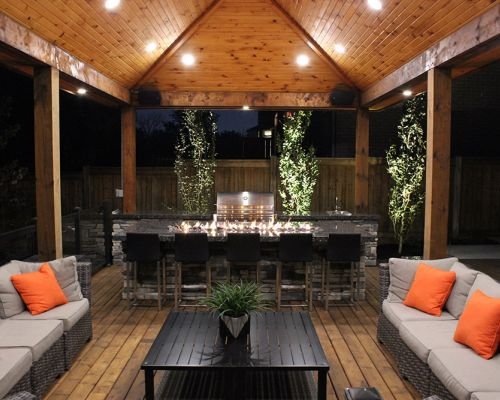
Future Trends in Toronto’s Sustainable Landscape Design
As Toronto continues to grow and evolve, so does the approach to landscape design that balances beauty with sustainability. The future points toward smarter technology, such as automated irrigation systems and eco-friendly lighting, making maintenance easier while reducing environmental impact. These innovations enable homeowners to enjoy vibrant gardens and outdoor retreats without sacrificing ecological responsibility, turning sustainability into a seamless part of daily life.
Native plants and drought-tolerant species are gaining prominence as designers recognize their resilience in Toronto’s climate. These choices require less water, reduce the need for chemical interventions, and support local ecosystems by providing habitat for native wildlife. Emphasizing climate resilience and resource efficiency will be central to future projects, ensuring landscapes can withstand changing weather patterns while remaining visually appealing.
Advancements in technology are transforming landscape planning. Tools like smart sensors, 3D modeling, and drone mapping offer unprecedented precision, helping designers craft tailored, sustainable solutions. As these technologies become more accessible, homeowners will find it easier to visualize and implement eco-friendly features, making sustainable landscaping more practical and attractive.
Biodiversity-focused features, such as green roofs, wildlife habitats, and modular planting systems, will increasingly be integrated into outdoor spaces. These elements not only enhance visual interest but also promote ecological health, turning yards into mini-ecosystems that attract pollinators and support local biodiversity. Such features reinforce the idea that beauty and environmental responsibility are inherently linked.
For homeowners, adopting sustainable practices will become more straightforward and cost-effective. From selecting native plants to installing water-efficient irrigation, small changes can lead to significant environmental benefits. As awareness grows and eco-friendly products become more available, creating a greener yard will be within everyone’s reach, making sustainability a natural part of outdoor living.
The broader cultural shift toward environmental stewardship will shape Toronto’s landscapes for years to come. As residents and designers prioritize resource conservation and climate resilience, outdoor spaces will reflect a city-wide commitment to a healthier planet. This collective effort will foster landscapes that are not only beautiful but also vital contributors to Toronto’s ecological future, proving that sustainability and aesthetic appeal can thrive side by side.