




In a digitized world, can shared gardening be the key to unlocking deeper human bonds and fostering healing? This compelling exploration reveals how tending to a garden together transcends mere horticulture, becoming a powerful ritual of connection, patience, and emotional recovery. Rooted in ancient traditions and supported by modern science, collective gardening nurtures trust, communication, and resilience, offering a refuge from stress and isolation. From community plots to therapeutic programs, the act of cultivating life side-by-side cultivates empathy and transforms relationships—turning strangers into allies and individuals into resilient communities. Could the simple act of planting and caring for plants be the antidote to disconnection in today’s hurried, digital age? As innovations make gardening more accessible and inclusive, the potential for green spaces to serve as healing hubs grows. Embracing this timeless practice might just reweave the social fabric, proving that growth—both in plants and people—remains possible through shared effort and natural connection.
Cultivating Connection: How Shared Gardening Heals and Bonds
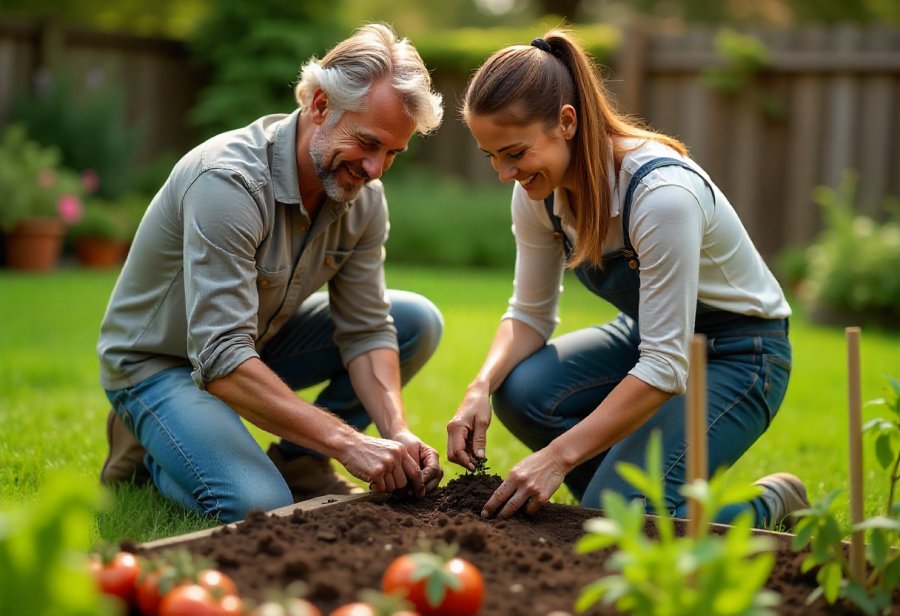
Sharing a garden with others isn’t just about planting flowers or growing vegetables; it’s a meaningful way to build bonds and promote healing. When people work side-by-side in the dirt, conversations flow naturally, patience is practiced, and shared successes create a sense of connection that’s hard to find elsewhere. In a world dominated by screens and digital interactions, tending a garden together offers a refreshing break—an opportunity to reconnect through a simple, grounding activity rooted in nature.
Gardening as a shared activity taps into something fundamental: the human need for touch, teamwork, and mutual care. When you plant seeds together or water the same plants, you’re engaging in a physical act that mirrors emotional intimacy. This process encourages collaboration, patience, and communication—elements that can strengthen relationships and create safe spaces for vulnerability and trust to develop. It’s about more than the end result; it’s about the experience of nurturing life alongside others.
Research underscores the power of working with nature to boost mental health. Engaging in gardening reduces stress, eases anxiety, and lifts mood—especially when done with others. The act of caring for plants requires mindfulness, helping people stay present and focused, which provides emotional relief from daily worries. Watching a garden flourish through shared effort reinforces hope and self-esteem, reminding us that growth and renewal are always possible, both in plants and in ourselves.
Beyond individual benefits, shared gardening fosters a sense of community. When people come together around a common goal—whether planting a vegetable patch or creating a flower bed—they develop collective pride and a sense of achievement. These shared experiences open lines of communication, encourage cooperation, and turn strangers into friends. Over time, gardens become more than just green spaces—they become living symbols of connection and resilience.
In a world that often feels hurried and disconnected, tending a garden with others reminds us of a simple yet profound truth: human connection can be nourished through nature’s gentle touch. Sometimes, all it takes is a handful of soil, a shared goal, and a little patience to forge bonds that are both healing and lasting. Gardening together isn’t just about growing plants—it’s about nurturing relationships, fostering emotional well-being, and rediscovering the joy of shared human experience.
From Sacred Spaces to Healing Havens: The History of Gardening as Therapy
Gardening as a healing activity has a long history that spans thousands of years and crosses many cultures. In ancient Egypt, gardens were more than just places for beauty or sustenance; they were sacred spaces believed to possess restorative powers. Medicinal plants like aloe and lotus grew in these spiritual gardens, where rituals aimed to heal both body and mind. Similarly, the Greeks and Romans cultivated herb gardens not only for culinary use but also for their perceived therapeutic benefits, establishing an early link between tending plants and promoting well-being.
As societies evolved, so did the purpose of gardens as spaces for emotional and physical healing. In medieval Europe, monasteries created quiet retreats filled with medicinal herbs, where tending to plants became a form of meditative practice. These monastic gardens offered a peaceful refuge for reflection and spiritual renewal, transforming labor into a calming ritual. During challenging times, communal gardens emerged as symbols of resilience—places where people could come together, work side-by-side, and find hope amid adversity. The act of caring for plants became intertwined with collective recovery and emotional solace.
The 20th century marked a significant turning point with the rise of scientific research confirming what many had long believed: working with nature can improve mental health. Programs like horticultural therapy emerged, integrating gardening into hospitals, clinics, and community centers. These initiatives recognized that nurturing plants not only fostered patience and resilience but also provided a sense of purpose and emotional stability. Unlike casual gardening, these structured approaches made the therapeutic benefits of tending plants a formalized part of healing processes, emphasizing its importance in mental health care.
In recent decades, studies have continued to reinforce gardening’s role in emotional well-being. Exposure to green spaces reduces stress, lifts mood, and alleviates symptoms of anxiety and depression. Different cultures have contributed their own unique practices—such as the mindfulness-focused Zen gardens in East Asia or community allotments in Latin America—each emphasizing a spiritual or social dimension of gardening. These diverse traditions highlight how universally human beings have turned to the act of cultivating nature as a pathway for healing, resilience, and connection.
Today, the legacy of gardening as a therapeutic tool persists, blending ancient wisdom with modern science. As urbanization accelerates and mental health challenges grow, green spaces and community gardens become vital refuges for emotional recovery. Supporting initiatives that make gardening accessible—whether through urban greening projects or therapeutic programs—ensures that this timeless practice continues to nurture both the land and the human spirit. Tending plants remains a simple yet profound act of healing, resilience, and human connection that endures across generations.
Today’s Green Bridges: How Modern Gardening Fosters Relationships
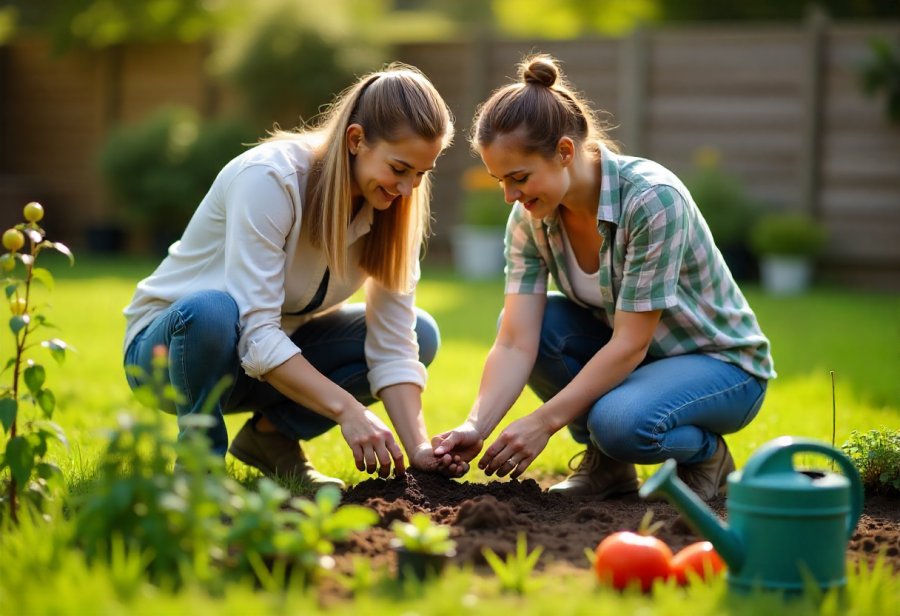
Today, gardening takes many forms, from sprawling community plots in city parks to small balcony gardens in busy urban neighborhoods. Despite the diversity in size and scope, what unites these efforts is the shared goal of building connections through the act of nurturing plants. Many communities now create inclusive green spaces where neighbors, friends, and even strangers come together to plant, share stories, and celebrate collective growth. These gardens become more than just places to grow food or flowers—they evolve into vibrant social hubs that foster interaction across ages, backgrounds, and experiences.
Modern gardening also places a strong emphasis on sustainability. Organic practices, composting, rainwater harvesting, and eco-friendly techniques are increasingly common, encouraging gardeners to work together in caring for the environment. These shared efforts not only benefit the planet but also deepen communal bonds, as participants learn from one another and take collective responsibility. Working toward common ecological goals reinforces a sense of purpose and pride, transforming gardening into a tool for social cohesion as well as environmental stewardship.
Therapeutic gardening programs have expanded significantly, especially within healthcare settings and community initiatives. Structured activities like planting, watering, and harvesting promote mindfulness and reduce stress, while providing opportunities for social interaction. These programs often bring together diverse groups—such as seniors, trauma survivors, and mental health patients—highlighting the universal appeal of tending to plants. Through shared caregiving, participants develop emotional trust, express themselves more freely, and find comfort in the routine of nurturing life.
Cultural influences shape how gardening is practiced today. In Japan, Zen gardens and contemplative planting foster mindfulness and spiritual connection, while in Latin America and Africa, community gardens serve as vital social and economic lifelines. These traditions demonstrate that gardening isn’t just about cultivating plants; it’s about cultivating community, identity, and resilience. Each approach reflects local values and histories, enriching the global tapestry of shared gardening practices.
Technology also plays a growing role in making gardening more accessible and engaging. Digital tools like garden planning apps, online tutorials, and virtual workshops connect people across distances and skill levels. For those limited by space or mobility, container gardens and raised beds offer manageable options to participate. These innovations democratize gardening, allowing more individuals to experience its physical and emotional benefits, regardless of their circumstances.
Despite these advances, challenges remain. Urbanization, climate change, and limited green space can hinder efforts to create shared gardens. Some communities may lack awareness or feel disconnected from the idea of gardening as a tool for connection. Overcoming these obstacles requires ongoing support from local governments, nonprofits, and health organizations. Expanding inclusive, sustainable, and accessible programs can ensure that the healing power of gardening continues to reach more people.
In the end, the landscape of gardening today reflects a blend of tradition and innovation. As more individuals and communities embrace green spaces as havens for connection and healing, the act of tending to plants transforms into a universal language for resilience and belonging. Whether in a city park, a balcony, or a community lot, shared gardening remains a powerful way to rebuild relationships, foster emotional well-being, and reconnect with the natural world.
Rooted in Healing: Practical Ways Gardening Strengthens Bonds and Supports Growth
Shared gardening offers tangible ways to strengthen emotional bonds and deepen relationships. When people work together to plant vegetables or flowers, they naturally improve communication and build patience and trust through shared effort. Simple routines like watering, weeding, or harvesting create a calming rhythm that reduces stress and gives participants a sense of purpose. These daily acts become moments of mindfulness, fostering emotional reflection and connection that extend beyond the garden.
Adding practical elements such as shared compost bins or coordinated planting schedules encourages teamwork and makes collaboration smoother. These tools help organize efforts and create opportunities for groups to celebrate small wins together, reinforcing a collective sense of achievement. Incorporating sensory activities—like feeling the texture of soil or smelling herbs—can heighten mindfulness and emotional awareness, making the gardening experience more meaningful and memorable.
Caring for a garden collectively also nurtures empathy. As individuals observe the growth and challenges of plants, they often reflect on their own personal journeys, learning patience, resilience, and hope in the process. For example, a community tending a vegetable patch might share stories of overcoming adversity, finding comfort in routine and shared purpose. These exchanges foster trust and mutual support, transforming gardening from a simple task into a powerful act of healing and connection.
In real-world settings, shared gardening can counteract loneliness and social isolation. Take a neighborhood facing economic hardships—residents who initially felt disconnected begin working side-by-side, planting and caring for a shared space. Over time, this effort builds friendships, encourages cooperation, and helps foster a sense of hope and resilience. Similarly, seniors in retirement homes who start herb gardens often find that caring for plants creates intergenerational bonds and boosts emotional well-being. These examples highlight how routine gardening activities translate into emotional growth and strengthened community ties.
Fostering patience and open communication is key to nurturing these bonds. Starting with simple, accessible tasks builds confidence and trust among participants, creating a safe environment for sharing experiences. Sensory activities like smelling herbs or feeling the soil enhance mindfulness, deepen empathy, and make the process more engaging. When everyone feels supported and valued, gardening becomes more than just a task—it becomes a shared journey toward emotional healing and stronger human connections.
By integrating these practical approaches into community programs, we can harness the full potential of shared gardening as a tool for emotional growth. Making spaces accessible, encouraging collaboration, and emphasizing mindfulness turn gardening into a meaningful act that nurtures both plants and people. These efforts create lasting ripples—fostering resilient, caring communities where bonds are rooted in shared effort and the healing power of nature.
Planting the Future: Embracing Gardening’s Power to Foster Resilience and Community
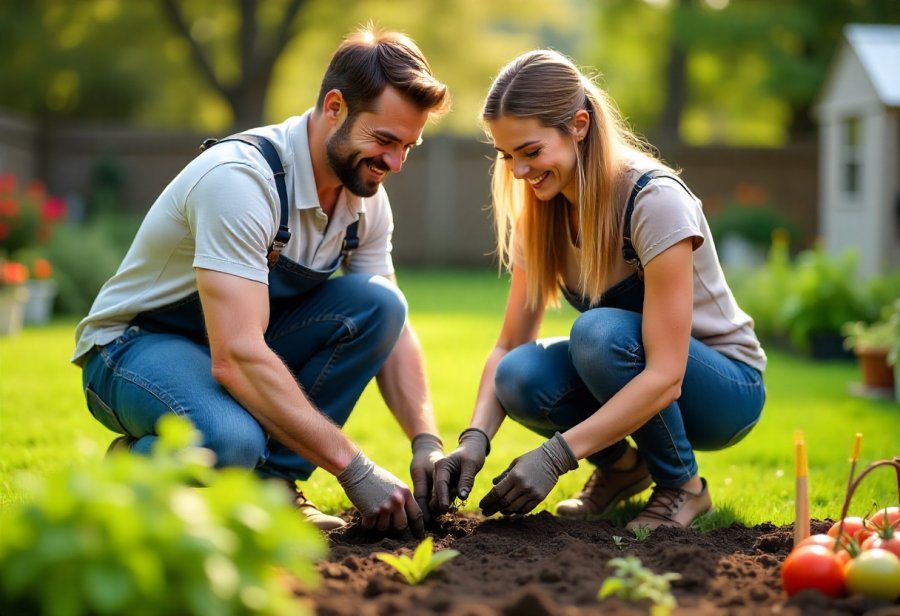
Shared gardening has proven its power as a meaningful way to strengthen emotional bonds, support healing, and build resilient communities. Its influence extends beyond simply planting and harvesting; it fosters patience, cooperation, and a sense of shared purpose that can transform relationships and foster collective resilience. As awareness of mental health and social connection grows, the role of gardening as a tool for well-being is set to expand further.
Looking ahead, the potential for gardening to promote emotional resilience and community cohesion remains vast. Increasing numbers of programs designed to bring diverse groups together through planting and caring for green spaces will likely flourish. Technology, from virtual workshops to online planning tools, can help bridge distances and make gardening accessible to all, regardless of space or ability. These innovations, combined with age-old traditions, hold the promise of making gardening a universal activity that heals and unites.
The enduring legacy of gardening as a healing activity underscores its timeless relevance. From ancient rituals to modern therapeutic programs, tending to plants continues to serve as a mirror for personal growth and collective well-being. In an era marked by urbanization and environmental stress, green spaces and community gardens provide vital refuges for emotional recovery and social connection. Supporting these initiatives ensures that the healing power of gardening remains accessible, nurturing both land and human spirit.
To realize this future, intentional effort is essential. Expanding community gardens, urban greening projects, and therapeutic horticulture programs through dedicated funding and supportive policies can create lasting change. Education and outreach efforts are vital to dispel skepticism and demonstrate the tangible emotional benefits of shared gardening. When more people recognize that tending plants nurtures their mental health as well as the environment, gardening becomes a vital part of community life and personal well-being.
Each of us has the opportunity to contribute to this movement. Whether starting a small balcony garden, volunteering at a local community plot, or supporting green initiatives in our neighborhoods, our actions plant seeds for stronger connections and healing. Working side-by-side with others and nature not only cultivates healthier plants but also nurtures trust, understanding, and compassion among people. Embracing shared gardening as a simple yet profound act can help build resilient, caring communities prepared to face future challenges with hope and unity.