The Ford Mustang stands as an enduring symbol of American muscle, embodying freedom, power, and rebellious spirit across generations. From its revolutionary debut in 1964 to its modern evolution, it seamlessly blends iconic design with cutting-edge performance and technology. Its bold silhouette, signature grille, and muscular stance evoke a sense of movement and strength, captivating enthusiasts and newcomers alike. But what makes this legend truly timeless? Is it the roar of its engines, the innovative tech, or the cultural memories embedded in movies and media? As the Mustang evolves—embracing hybrid power and advanced features—it maintains its core identity rooted in independence and performance. This relentless balance of tradition and innovation ensures the Mustang’s relevance, inviting a new era of drivers to experience the thrill of American muscle. Could this legendary car continue to inspire future generations while staying true to its rebellious soul?
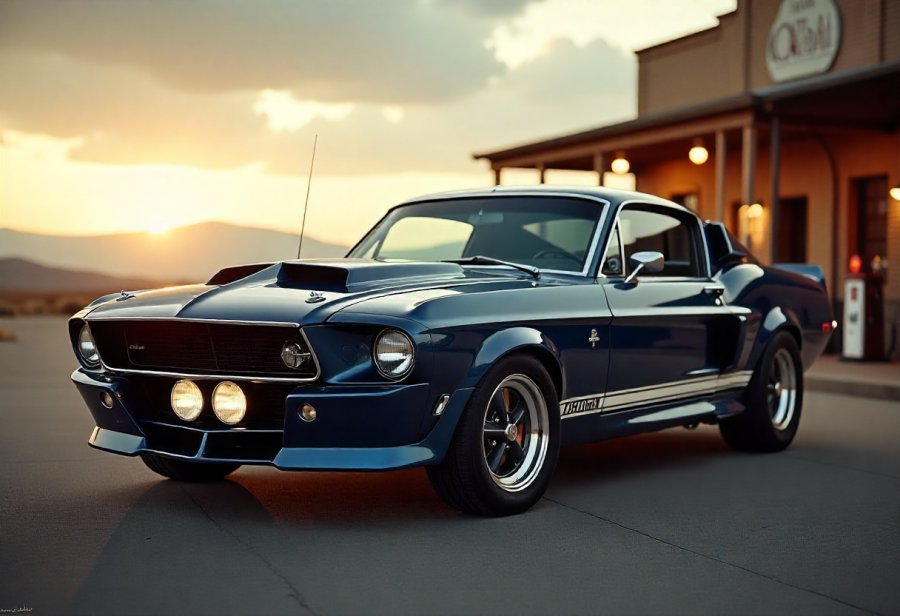
Unveiling the Legend: The Timeless Allure of the Ford Mustang
The Ford Mustang is more than just a car; it’s a symbol that embodies American ingenuity, freedom, and rebellion. Since its debut in 1964, this iconic muscle car has captured the imagination of drivers worldwide. Its bold design and impressive performance made an immediate impact, setting the stage for a legacy that endures today. Over the decades, the Mustang has become a cultural icon, representing a desire for adventure and individualism.
What makes the Mustang truly special is its ability to resonate across generations. From its early days as an affordable, compact sports car to its status as a high-performance legend, it maintains a powerful presence on the road. Its distinctive silhouette, with a long hood and aggressive stance, commands attention and respect. Whether cruising down a highway or parked at a show, the Mustang’s design continues to turn heads and evoke admiration.
The story of the Mustang is deeply rooted in American history and culture. It emerged during a time of social change, offering a sense of freedom and daring that many sought. Its marketing campaigns and appearances in movies like “Bullitt” cemented its image as a symbol of independence and adventure. Over time, it became woven into the fabric of American pop culture, embodying more than just a vehicle—it’s a lifestyle rooted in performance, style, and self-expression.
Beyond its cultural significance, the Mustang’s appeal lies in its core attributes: design, power, and innovation. Its sleek lines, signature pony grille, and fastback profile have evolved but stayed true to their roots. Each generation reflects a blend of tradition and modernity, ensuring it remains relevant while honoring its history. Driving a Mustang offers more than speed; it delivers a visceral experience that connects driver and machine through sound, feel, and emotion.
The Mustang’s enduring legacy is built on continuous innovation. From the early V8 classics to modern hybrids and high-tech variants, each model advances without losing its core identity. Its ability to adapt—embracing new technology while staying true to its rebellious spirit—keeps the legend alive. For many, the Mustang represents more than transportation; it’s a symbol of American resilience and the pursuit of freedom.
From Birth to Icon: The Mustang’s Roots in American Automotive History
The story of the Ford Mustang begins in the early 1960s, a period marked by rapid growth in the American automotive industry and a shift towards targeting younger drivers. Ford saw an opportunity to create a vehicle that combined sporty performance with stylish design and a high degree of customization—something more than just a practical car. When the Mustang was officially launched in April 1964 at the New York World’s Fair, its sleek, compact profile immediately caught attention. The design embodied a sense of freedom and individuality that resonated deeply with the emerging youth culture, setting it apart from other cars on the market.
The Mustang’s debut was a game-changer for the industry. It arrived during the height of the muscle car craze but distinguished itself with affordability, versatility, and extensive options for personalization. Ford dubbed it a “pony car,” emphasizing its sporty look and the ability for owners to make it their own. Its quick success—selling thousands within months—solidified its place as an icon and laid the foundation for a legacy that would span decades.
Throughout the 1960s, the Mustang evolved in response to technological advances and changing tastes. Early models featured a muscular yet compact design, characterized by a long hood, short rear deck, and signature features like the pony grille. As muscle cars gained popularity, Ford introduced high-performance V8 engines, transforming the Mustang into a symbol of power and speed. Its affordability and broad array of options helped attract a wide range of buyers—from young enthusiasts eager for excitement to more seasoned drivers seeking style and performance.
The decades that followed saw the Mustang adapt to shifting automotive trends while maintaining its core identity. The 1970s brought angular lines and smaller engines, reflecting fuel economy concerns, while the 1980s and 1990s saw a return to aggressive styling and performance upgrades. Despite these changes, signature elements like the fastback profile and muscular stance persisted, ensuring the Mustang remained instantly recognizable and relevant.
In the early 2000s, Ford revived the Mustang with retro-inspired designs that paid homage to its roots, blending nostalgia with modern technology. Models like the 2005 Mustang reintroduced the long hood and short deck, appealing to both longtime fans and newcomers. Each new generation balanced tradition and innovation, reinforcing the car’s status as an American automotive icon that continues to evolve without losing its essence.
Today, the Mustang’s history is a testament to resilience and innovation. From its origins as a compact performance car to a modern icon featuring hybrid and electric variants, it embodies a legacy rooted in rebellion, power, and adaptability. Ford’s ability to honor its past while embracing the future ensures the Mustang remains a symbol of American muscle and freedom—an enduring legacy that continues to inspire enthusiasts worldwide.
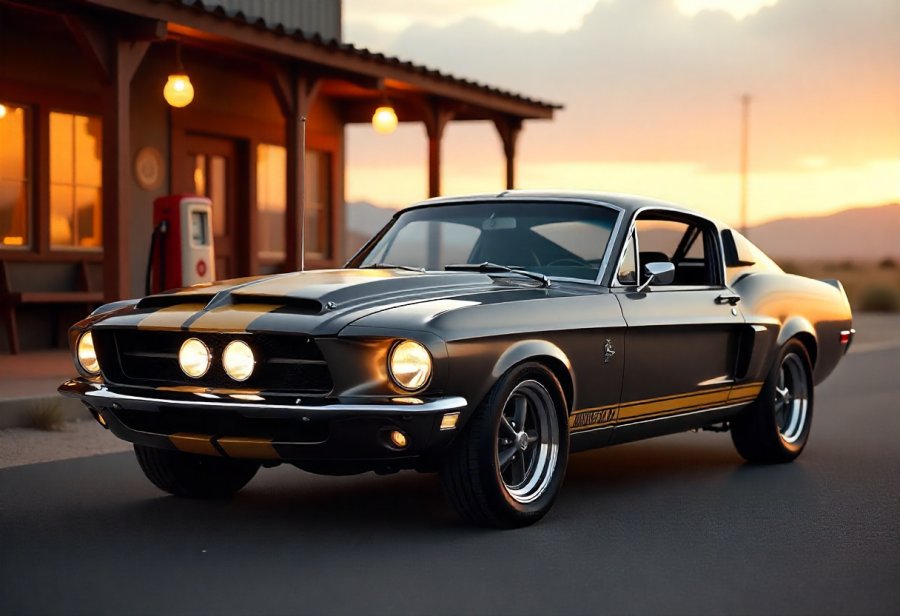
Why the Mustang Still Reigns: The Enduring Passion for an American Legend
The Ford Mustang’s enduring appeal lies in its unique ability to forge a deep emotional connection with both drivers and collectors. Its timeless design, blending classic muscle car elements with modern touches, ensures it remains visually striking across generations. The signature pony grille, sleek fastback silhouette, and muscular stance have become symbols of American performance, making each new model instantly recognizable and admired. These design cues evoke a sense of power and style that continue to captivate enthusiasts and newcomers alike.
Performance plays a crucial role in keeping the Mustang relevant today. Over the years, its engines have evolved from modest six-cylinders to roaring V8s and hybrid variants. Modern Mustangs deliver exhilarating driving experiences, thanks to advanced handling systems, adaptive suspensions, and precise steering. Whether for daily commuting or weekend track days, the Mustang consistently offers a visceral thrill that reinforces its reputation as a true American muscle car.
Beyond its looks and performance, the Mustang embodies a spirit of independence and rebellion. For many owners, driving a Mustang is about more than just transportation; it’s an act of self-expression and a declaration of freedom. That emotional bond fuels the passion of collectors, who see the car as a piece of American history—an artifact that captures the essence of an era when raw power and attitude defined automotive culture. This nostalgia, combined with modern innovation, helps the Mustang maintain its status as a cultural icon.
The design language of the Mustang has proven remarkably adaptable. While it retains signature features like the long hood and aggressive stance, each generation introduces subtle refinements that keep it fresh without losing its core identity. This balance between tradition and innovation allows the Mustang to appeal to new drivers while satisfying the loyalty of long-time fans. Its ability to evolve visually while remaining instantly recognizable is key to its ongoing relevance.
Culturally, the Mustang’s footprint remains strong. Its appearances in movies, music, and media have cemented its status as an icon of American freedom and performance. Enthusiast communities, restoration projects, and car clubs worldwide celebrate its legacy, passing down stories of this legendary vehicle. The connection to American identity and the universal pursuit of adventure keep the Mustang relevant and admired across generations.
The Mustang’s versatility also contributes to its lasting appeal. Whether it’s a vintage model restored to showroom condition or a modern version equipped with the latest tech, each iteration carries the same DNA of power and rebellion. Owners feel part of a broader legacy, often personalizing their cars to reflect their individual style. That shared passion and sense of belonging sustain its popularity and deepen its cultural significance.
All these elements combine to make the Mustang more than just a car; it’s a symbol of resilience, freedom, and American muscle. Its ability to adapt while honoring its roots ensures that it remains a legendary presence in automotive history. For drivers and collectors alike, the Mustang continues to inspire, proving that true icons never fade—they evolve and thrive, forever capturing the spirit of American performance.
Design Details That Define an Icon: The Visual DNA of the Ford Mustang
The design of the Ford Mustang is what truly makes it stand out and endure through the decades. Its bold, instantly recognizable features have become symbols of American muscle and style, instantly evoking a sense of power and performance. The signature pony grille at the front isn’t just a styling cue; it’s a bold statement that announces the car’s strength and agility, framed by sharp, clean lines that give the Mustang a confident, aggressive face.
The fastback roofline is another defining element that contributes to its timeless appeal. Its sweeping, aerodynamic slope not only enhances performance by reducing drag but also creates a dynamic silhouette that suggests motion even when the car is stationary. This flowing shape, combined with a muscular stance and wide wheel arches, emphasizes the car’s powerful build and aggressive posture, making it impossible to ignore.
Side scoops and character lines add subtle but impactful details, giving the Mustang visual interest and a sense of movement. These design cues hint at speed and performance, even when the car is at rest. The side scoops, in particular, nod to its muscle car roots, blending functionality with aesthetic appeal. Meanwhile, bold character lines run along the body, sculpting a muscular appearance that balances sleekness with raw power.
Throughout its history, the Mustang’s design has shown a remarkable ability to evolve without losing its core identity. Each generation refines its signature elements—sharper lines, modern materials, and improved aerodynamics—while staying true to the original aesthetic. The long hood, low stance, and aggressive profile remain constants, creating a visual thread that links past to present and keeps the Mustang instantly recognizable and relevant.
Every detail, from the shape of the headlights to the contours of the rear, has been crafted to reinforce the car’s iconic status. These elements are more than just aesthetic choices; they embody the spirit of rebellion and performance that defines the Mustang. The balance between tradition and modernity in its styling ensures it remains stylish, desirable, and relevant across generations.
Design details like the signature grille, the sleek body lines, and the distinctive fastback profile contribute to a cohesive visual identity that’s both timeless and fresh. They make the Mustang more than just a car—they turn it into a visual symbol of American muscle and freedom. These elements have helped the Mustang maintain its legendary status, inspiring admiration from enthusiasts and casual observers alike.
In the end, the design of the Ford Mustang is what elevates it beyond mere transportation. It’s a statement of boldness, power, and independence—an icon that continues to captivate and inspire. Its carefully crafted details, rooted in tradition yet forward-looking, ensure that the Mustang remains a symbol of American automotive excellence for generations to come.
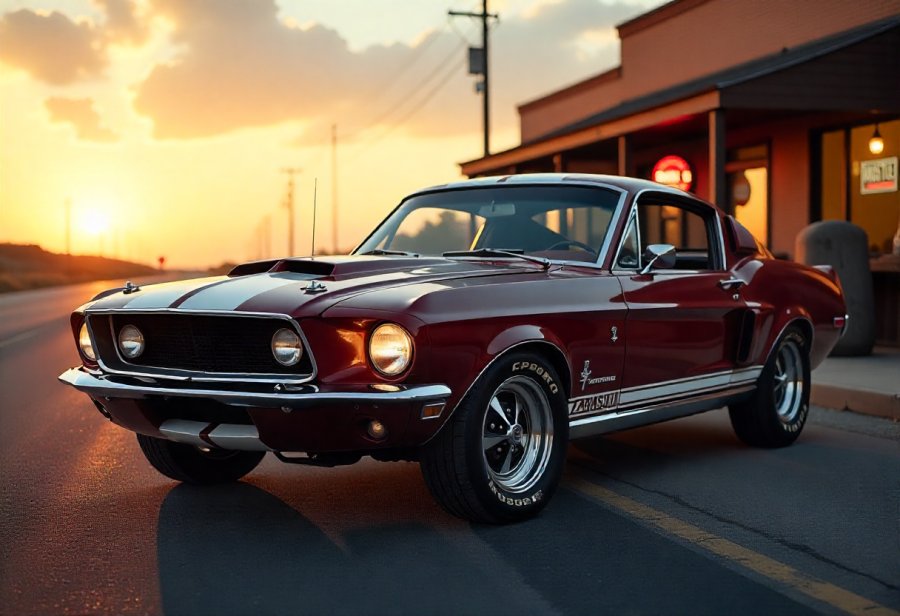
Driving into the Future: The Present and Promise of the Ford Mustang
The Ford Mustang today stands as a true symbol of American muscle and innovation, seamlessly blending its storied past with cutting-edge technology. Recent models showcase a sleek, modern design that pays homage to the classic look while integrating advanced features. Inside, drivers find state-of-the-art infotainment systems, driver-assistance tech, and improved safety measures, making it as comfortable and connected as it is powerful. Performance-wise, the lineup now offers a range of engines—from turbocharged four-cylinders to legendary V8s—ensuring that excitement remains at the core of every drive.
High-performance variants like the Shelby GT500 push over 700 horsepower, delivering adrenaline-pumping speed for enthusiasts craving pure power. Meanwhile, EcoBoost versions balance agility with efficiency, making the Mustang a versatile choice for daily use without sacrificing the thrill of driving. Adaptive suspensions, active aerodynamics, and responsive handling systems keep the experience dynamic and engaging, reinforcing its reputation as a true American muscle car with modern finesse.
Looking ahead, Ford is clearly invested in sustainable performance. Hybrid models are on the horizon, promising the same raw power with a lighter environmental footprint. Innovations such as lightweight materials, electric drive systems, and potential autonomous features suggest the Mustang will evolve to meet future mobility trends. These advancements aim to preserve the rebellious spirit of the car while aligning with global shifts toward greener transportation.
Despite these technological strides, the essence of the Mustang remains unchanged. Its signature long hood, muscular stance, and aggressive grille continue to embody the classic muscle car ethos. The visceral sound of its engine and its responsive handling define the driving experience, connecting drivers to a legacy of power and freedom. Ford’s commitment to maintaining this spirit ensures the Mustang’s relevance, even as it embraces innovation.
The current landscape of the Mustang reflects a careful balance: honoring its roots while exploring new horizons. Its evolution from a compact performance vehicle to a modern icon with hybrid and electric options illustrates resilience and adaptability. This continuous reinvention, grounded in rebellion and performance, keeps the Mustang at the forefront of automotive culture. Whether through high-tech features or raw horsepower, it remains a symbol of American resilience and passion, inspiring both new and longtime fans to keep the legend alive.