




Learning to drive marks a pivotal moment in a teen’s journey toward independence, filled with both exhilarating freedom and overwhelming nerves. As teens grapple with fears of mistakes and high-pressure situations, the process becomes a test not only of skill but of emotional resilience. Over decades, driver education has evolved from informal lessons to sophisticated, technology-driven programs that foster confidence through gradual exposure and positive reinforcement. Today’s innovative tools—virtual reality simulations, advanced safety features, and connected car technology—are transforming how teens learn, aiming to make the road less intimidating. But as we look forward, the question remains: will these technological and policy advancements truly ease the internal struggles teens face, or will the emotional challenge of trusting oneself behind the wheel persist? This balance of safety, skill, and resilience continues to shape the future of teen driving, promising a more confident, prepared generation but also highlighting ongoing emotional hurdles.

Building Teen Driving Confidence: The Emotional Journey to Independence
Learning to drive is a major milestone for teenagers, symbolizing a step toward independence and adulthood. It’s an exciting moment—imagine the thrill of sitting behind the wheel for the first time, feeling a rush of freedom. But alongside that excitement comes nerves, hesitation, and a dash of self-doubt. For many teens, the thought of handling a vehicle in busy traffic can feel overwhelming at first.
Building confidence isn’t just about learning how to operate the car—it’s about trusting oneself to make safe decisions under pressure. As teens practice more, they start to see their skills grow, and each successful drive fuels their self-assurance naturally. This gradual process requires patience, encouragement, and consistent effort from instructors and family alike, but the payoff is a newfound sense of independence that extends far beyond the road.
The journey to confident driving is often a rollercoaster. Initial lessons are filled with cautious movements and tentative glances in mirrors. Worries about making mistakes or causing accidents can intensify anxiety. However, these feelings are normal and part of the learning process. Every small achievement—like mastering parallel parking or merging onto a highway—serves as a building block, helping teens develop trust in their abilities and resilience in the face of setbacks.
Confidence behind the wheel isn’t just about safety; it shapes how teens respond during high-pressure moments. A self-assured driver stays calm in traffic jams, navigates tricky intersections with focus, and handles adverse weather with composure. When teens feel capable, they’re less likely to panic and more likely to make thoughtful decisions, transforming nervousness into resilience.
Learning to drive, therefore, becomes as much an emotional journey as it is a technical one. It’s about turning anxiety into trust, hesitation into independence, and fear into confidence. This process lays a foundation not only for safe driving but also for developing emotional strength that benefits other areas of life. When teens emerge from their lessons, they’re not just ready to take the wheel—they’re prepared to face new challenges with trust in themselves that will last well beyond the road.
From Informal Lessons to High-Tech Safety: The Evolution of Teen Driving Education
The way teenagers learn to drive has changed dramatically over the decades, reflecting broader shifts in society, technology, and safety standards. In the early 20th century, learning to drive was mostly informal—many teens picked up skills from family members or older siblings, often with little structured instruction. Cars were becoming more common, but licensing laws and safety regulations were still in their infancy, so young drivers gained experience through trial and error. This informal approach meant that confidence was built gradually, often through repeated exposure and encouragement from trusted adults.
As vehicles became more widespread, governments recognized the need for formal driver education. By the mid-20th century, structured programs emerged that combined classroom lessons with supervised driving practice. These courses aimed to teach essential skills and promote safety awareness. Over time, licensing laws grew stricter, and graduated licensing systems took shape, gradually easing teens into full driving privileges as they gained experience and confidence. This shift helped reduce accidents and build trust in young drivers’ abilities.
During these early phases, confidence was largely fostered through hands-on experience and positive reinforcement. Parents and instructors played a key role in helping teens develop trust in their skills, especially in handling complex traffic situations. However, gaps remained—particularly in managing high-pressure moments or tricky road conditions. As understanding of road safety improved, educators emphasized gradual exposure and supportive feedback, which helped teens feel more secure when facing challenging scenarios.
Recent decades have brought technological advances that further transformed driver education. Safety features like seat belts, airbags, and anti-lock brakes increased vehicle safety and boosted teens’ confidence. More recently, driver-assistance systems such as backup cameras and lane departure warnings have added support, helping young drivers handle complex situations with less anxiety. Simulators and virtual reality tools now allow teens to practice risky scenarios in a controlled environment, helping them build trust in their decision-making skills before stepping into real traffic.
Legislation has also evolved to support teen drivers more effectively. Graduated licensing laws, introduced in many regions during the 1970s and 1980s, phase in driving privileges based on experience and maturity. These laws often restrict nighttime driving or limit passenger numbers, providing a safer, more structured pathway to independence. This approach recognizes that confidence is best built through controlled, incremental steps that give teens time to develop both skills and emotional resilience.
The history of teen driving education underscores society’s ongoing efforts to improve safety and emotional readiness. From informal lessons to sophisticated technology and supportive policies, each development has aimed to better prepare teens for the realities of the road. Today’s young drivers benefit from a more supportive, confidence-building journey—one that emphasizes gradual exposure, technological aids, and emotional growth. This progression has made the experience safer and more empowering, helping teens become not just competent drivers, but resilient individuals ready for the challenges ahead.

Modern Strategies in Teen Driver Training: Embracing Technology and Emotional Development
Modern teen driver education has shifted toward more engaging, technology-driven methods designed to boost confidence effectively. Today, programs often incorporate interactive online modules, virtual reality simulations, and adaptive learning platforms. These tools enable teens to practice core driving concepts in a risk-free environment, helping them develop trust and skills before facing real traffic. This approach caters to different learning styles, making the process less intimidating and more personalized.
Alongside technological innovations, there’s a stronger emphasis on comprehensive, structured curricula that blend classroom instruction with supervised behind-the-wheel practice. Certified instructors guide teens through staged learning, focusing on defensive driving, hazard recognition, and decision-making skills. Graduated licensing systems are central to this model, gradually expanding teens’ driving privileges as they demonstrate competence, which reduces anxiety by breaking down the learning process into manageable steps.
In recent years, education programs have placed greater importance on the emotional aspects of driving. Techniques like positive reinforcement, setting small achievable goals, and providing supportive feedback help build a teen’s sense of mastery. Virtual reality and simulation-based exercises expose teens to challenging scenarios—such as merging onto busy highways or navigating complex intersections—in a controlled setting. These experiences foster confidence by allowing teens to practice handling stress without the risks of real-world traffic.
The popularity of simulation tools is also driven by safety concerns. Teens often feel less anxious when they can make mistakes in a virtual environment, learning from errors without real consequences. This method encourages risk-taking in a safe space, promoting resilience and better decision-making in actual driving situations. As a result, many schools and driver education programs are adopting these technologies to enhance learning outcomes.
At the same time, standards and regulations are evolving to ensure a more consistent and effective learning experience. Many regions now require a combination of classroom hours, behind-the-wheel training, and online assessments. These policies aim to create a foundation of both technical skill and emotional readiness, emphasizing responsible behavior and decision-making alongside driving proficiency. This comprehensive approach helps teens transition smoothly into confident, safe drivers.
The trend toward digital resources and mobile apps further supports continuous learning beyond formal lessons. Teens can access practice quizzes, instructional videos, and real-time feedback through smartphones and online platforms. This ongoing reinforcement helps solidify skills and encourages responsible habits that last well beyond initial training. The focus is on making drivers feel prepared and capable, fostering independence with a strong safety mindset.
Overall, the future of teen driver education is increasingly about making learning more interactive, personalized, and supportive. The integration of smart technology, enhanced curricula, and stricter standards reflects a clear shift toward nurturing not only competent drivers but emotionally resilient individuals. These advancements aim to reduce fear, build confidence, and prepare teens for the unpredictable realities of modern traffic.
By embracing these innovative practices, driver education is transforming from a basic skill set into a confidence-building journey. The goal is to equip teens with the technical skills, emotional strength, and responsible mindset needed to navigate today’s roads safely and confidently. This evolution underscores a broader commitment to fostering safer, more self-assured drivers ready to face whatever challenges lie ahead.
Turning Nerves into Trust: Practical Techniques to Empower Teenage Drivers
Transforming nervousness into confidence involves practical strategies that help teens gradually feel more comfortable behind the wheel. Starting with simple driving tasks in quiet neighborhoods or empty parking lots allows teens to build muscle memory and reduce fear. Repeating these exercises creates familiarity, making more complex situations, like merging onto busy streets or navigating roundabouts, feel less daunting over time. Breaking the learning process into small, manageable steps prevents overwhelm and encourages steady progress.
Setting achievable goals during each practice session reinforces a sense of accomplishment. Instead of aiming for perfection immediately, teens can focus on mastering one skill at a time—like maintaining a safe following distance or making smooth lane changes. Celebrating these small wins boosts confidence and shifts their mindset from anxiety to empowerment. Supportive feedback from instructors and parents plays a crucial role, helping teens see their progress clearly and stay motivated.
In addition to physical practice, mental techniques such as deep breathing and visualization are powerful tools to calm nerves during stressful moments. Teaching teens to take a few deep breaths before starting a drive or to imagine successful outcomes can reduce anxiety and help them approach challenges with a more relaxed mindset. Practicing these techniques regularly makes them second nature, so teens can stay centered even in unexpected or high-pressure situations.
Creating a safe space for mistakes is vital. When teens understand that errors are part of learning—not failures—they become more willing to take risks and try new skills. Reassuring them that setbacks are normal and emphasizing persistence fosters resilience and emotional growth. This supportive environment helps develop a growth mindset, turning mistakes into valuable lessons rather than sources of doubt.
Tailoring strategies to each teen’s individual fears and learning style makes a noticeable difference. Some respond better to visual aids, while others benefit from hands-on practice or verbal encouragement. Recognizing these differences allows parents and instructors to adapt their approach, ensuring each teen feels supported and understood. With patience and personalized guidance, nerves gradually transform into trust, enabling teens to approach driving with confidence and a positive outlook.
By combining physical practice, mental calming techniques, and personalized support, teens can convert their initial nerves into genuine confidence. These practical steps not only improve their driving skills but also strengthen their emotional resilience. Over time, they learn to manage stress, trust their abilities, and see driving as an empowering experience rather than a source of fear. This process paves the way for a safer, more confident journey on the road and in life.
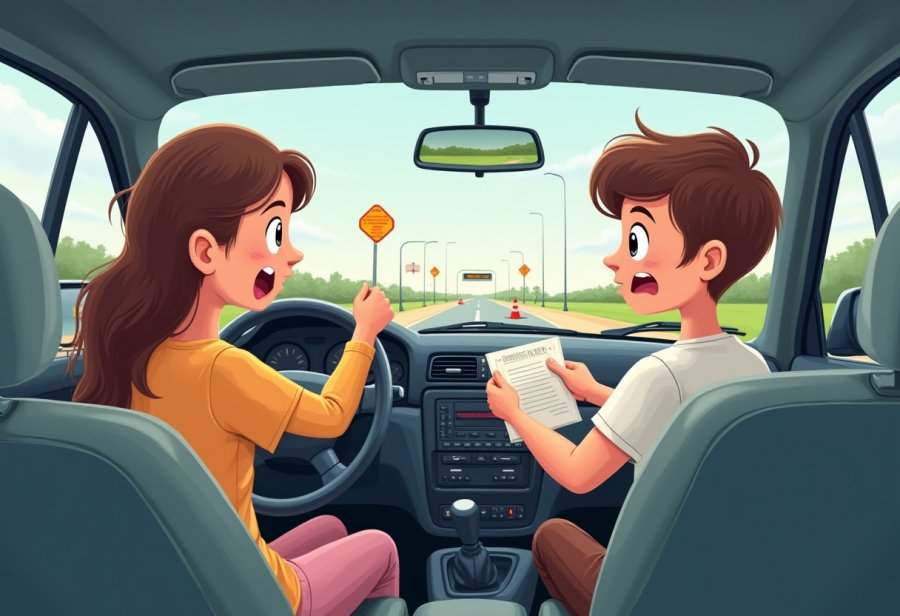
Shaping the Roads of Tomorrow: Innovations and Policies Transforming Teen Driving
Looking ahead, the future of teen driving is set to be shaped by a wave of technological innovations and policy changes aimed at making roads safer and more accessible. Vehicles equipped with advanced driver-assistance systems like lane-keeping assist, automatic emergency braking, and adaptive cruise control are becoming increasingly common. These features serve as safety nets, helping teens handle complex or unexpected situations with greater confidence and reducing their anxiety behind the wheel. As these smart systems become standard, young drivers will gain tools that support their decision-making, making the learning curve less steep and the road less intimidating.
At the same time, virtual reality and simulation-based training are poised to become central to driver education. These immersive experiences allow teens to practice high-pressure scenarios—like merging onto a busy highway or navigating tricky intersections—in a controlled environment. Such practice builds emotional resilience and trust in their abilities before they hit real roads. Expect more schools and programs to adopt these methods, recognizing their proven effectiveness in boosting confidence and reducing fear.
Policy-wise, many regions are refining graduated licensing laws to better support teen drivers. Restrictions on nighttime driving and passenger limits aim to provide a safer, more gradual transition into independence. These laws emphasize not only skill development but emotional readiness, acknowledging that confidence is rooted in experience and comfort. As lawmakers continue to update these regulations, the focus remains on balancing freedom with safety, helping teens gain experience in a structured way.
Connected car technology will also play an increasing role. Vehicles communicating with traffic signals, road sensors, and each other can offer real-time alerts, guiding teens through unfamiliar or challenging environments. This connectivity acts as an extra layer of support, reducing errors and making complex situations less stressful. As these systems become more integrated, teens will learn to rely on technology as a trusted partner that enhances their situational awareness and decision-making skills.
Driver education is evolving alongside these innovations, incorporating digital resources, mobile apps, and online platforms. These tools enable continuous learning outside the classroom, providing instant feedback and simulated emergency scenarios. This ongoing reinforcement helps teens develop good habits and emotional resilience that last well beyond their initial training. The goal is to turn driving into a skill they feel confident and responsible about for a lifetime.
Society’s attitude toward teen driving is also shifting. There’s a growing focus on emotional readiness, stress management, and responsible decision-making. Recognizing that confidence isn’t just about technical skills, educators and policymakers are emphasizing the development of well-rounded drivers who can handle unpredictability with calmness and resilience. This holistic approach aims to produce not just capable drivers, but confident individuals prepared for the roads of tomorrow.
All these changes point to a future where teen drivers are better equipped than ever before. Smarter vehicles, supportive policies, and more comprehensive education will make the journey from nervous beginner to confident driver smoother and more empowering. This evolution reflects a broader commitment to safety and personal growth, ensuring that the next generation not only masters the mechanics of driving but also develops the emotional resilience needed for lifelong independence on the road.