




Transforming Toronto yards into stunning outdoor retreats requires more than just planting flowers—it demands a delicate balance between beauty, sustainability, and client satisfaction. How can homeowners achieve lush, inviting spaces that withstand Toronto’s seasonal shifts while supporting local ecosystems? This guide reveals essential principles of landscape design—balance, unity, focal points, scale, and sustainability—that serve as a blueprint for creating resilient, eco-conscious landscapes. Through real-life case studies, it demonstrates how native plants, permeable materials, and smart irrigation systems can craft low-maintenance, environmentally sound outdoor spaces tailored to Toronto’s unique climate. The future of landscape design hinges on innovative, adaptable solutions that integrate technology and biodiversity—transforming yards into personal sanctuaries that endure and flourish. Are you ready to reimagine your outdoor space as a lasting retreat that harmonizes aesthetic appeal with ecological responsibility?
Transform Your Outdoor Space with Expert Backyard Makeovers in Toronto
Looking to revamp your outdoor living area in Toronto? Toronto Landscape & Design (TLD) offers exceptional backyard makeover services tailored to your needs. Our award-winning designers meticulously consider natural stone features, water gardens, irrigation systems, and retaining walls to create stunning, functional landscapes. Whether you’re dreaming of a peaceful oasis or a lively entertainment space, our team ensures every detail aligns with your vision. Contact us today at 1.416.644.0499 or email [email protected] to start your transformation with TLD, Toronto’s premier landscape design experts.
Transforming Toronto Yards into Personal Outdoor Sanctuaries
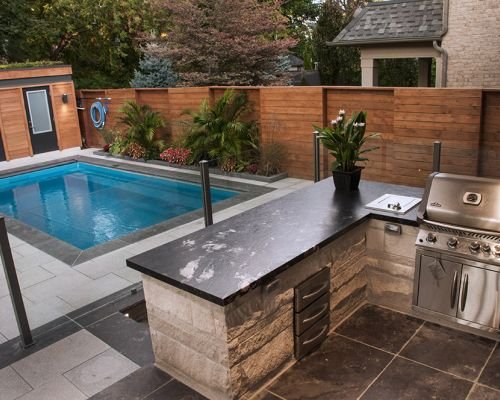
Transforming a Toronto yard into an inviting outdoor retreat goes beyond planting a few flowers or laying pavers. It’s about creating a space that feels welcoming, functional, and environmentally conscious—one that reflects the unique climate and lifestyle of Toronto residents. A well-designed yard can extend the comfort of the home outside, offering a peaceful escape or a lively gathering spot, all while respecting the environment.
Today’s landscape design emphasizes harmony between beauty and sustainability. Clients want their yards to look stunning, but they also care about reducing water usage, supporting local wildlife, and choosing eco-friendly materials. Achieving this balance requires careful planning and creative solutions that meet aesthetic goals without harming the environment. When done right, a yard becomes a personal sanctuary—lush, resilient, and built to withstand Toronto’s seasonal changes.
Designing these outdoor spaces involves more than selecting attractive plants. It’s about understanding what each homeowner values most—privacy, low maintenance, outdoor entertaining—and translating those priorities into a cohesive plan. Native plants, permeable paving, and water-efficient systems can help create a landscape that’s both beautiful and sustainable. This approach not only enhances visual appeal but also minimizes ongoing effort and environmental impact.
Client satisfaction is at the core of every successful transformation. From the initial concept to the final installation, open communication and managing expectations ensure that the finished space aligns with the homeowner’s vision. When clients feel involved and heard throughout the process, they’re more likely to be happy with the end result. A collaborative approach turns a standard yard into a personalized outdoor retreat that truly reflects the homeowner’s lifestyle and values.
Incorporating sustainable practices is no longer just a trend—it’s essential. Native plants, rain gardens, and eco-conscious materials support Toronto’s local ecosystem and help yards withstand seasonal shifts. These choices reduce maintenance costs, conserve resources, and create landscapes that thrive naturally, making outdoor spaces more enjoyable and easier to care for over time. Every detail, from soil health to plant selection, plays a role in building resilient, beautiful yards.
Understanding Toronto’s specific environment is the foundation of a successful project. Considering soil type, sunlight, and existing features allows designers to craft tailored solutions that maximize natural advantages. Using native species and eco-friendly materials ensures the landscape remains vibrant, low-maintenance, and resilient for years to come. This thoughtful approach transforms yards into lasting outdoor retreats that serve their owners well across seasons.
Creating a Toronto outdoor retreat is both an art and a science. It involves balancing aesthetic appeal with environmental responsibility, all while prioritizing the client’s needs. When these elements come together, the result is a stunning, sustainable space—a seamless extension of the home that endures Toronto’s seasonal changes and supports a healthy, vibrant environment.
Core Principles: Crafting Harmonious and Sustainable Landscapes
Effective landscape design begins with a clear understanding of core principles that guide the creation of outdoor spaces that are both beautiful and functional. Balance is fundamental—distributing visual weight evenly across the yard prevents any single element from overwhelming the space, creating a sense of harmony that draws the eye naturally from one area to the next. When achieved, balance makes the yard feel cohesive and inviting, encouraging visitors to explore and enjoy every zone.
Unity ties the entire design together. Selecting materials, colors, and styles that complement each other ensures a seamless flow from patio to garden bed to seating area. This cohesiveness not only enhances visual appeal but also makes navigation intuitive, turning the yard into a well-orchestrated environment that feels intentional and comfortable. A unified landscape invites people to linger, whether they’re relaxing, dining, or gardening.
Focal points add depth and interest, serving as visual anchors that guide the eye and define different parts of the yard. A striking tree, a water feature, or a sculpture can serve as a centerpiece, preventing the landscape from feeling flat or generic. Properly placed focal points create landmarks that encourage exploration and help establish a sense of purpose within each zone, whether for leisure, socializing, or cultivation.
Scale and proportion are about matching the size of plants and features to the overall dimensions of the yard. Oversized furniture in a small space can feel cramped, while tiny plants in a large yard may seem lost. Paying attention to scale ensures that each element fits comfortably within its environment, fostering visual harmony and a sense of ease. Thoughtful proportioning balances different elements, from the height of shrubs to the size of patios, creating a landscape that feels natural and pleasing.
Sustainability has become a vital aspect of effective landscape design. Incorporating native plants, water-efficient systems, and eco-friendly materials supports resilience and reduces ongoing maintenance. These choices help yards withstand Toronto’s seasonal shifts and environmental pressures, ensuring that landscapes remain vibrant and functional over time. Sustainable design isn’t just an eco-conscious choice; it’s a practical foundation for creating landscapes that thrive with minimal intervention.
By anchoring projects in these foundational principles—balance, unity, focal points, scale, and sustainability—designers build landscapes that are both stunning and resilient. These core ideas serve as a blueprint, guiding every decision from initial concept through installation. When applied thoughtfully, they transform outdoor spaces into beautiful, functional retreats that can withstand changing seasons and evolving needs, all while reflecting the unique personality of each homeowner.
Real-World Success: A Toronto Yard Transformation Case Study
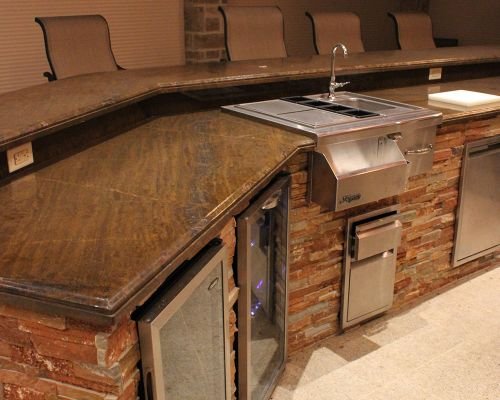
In a recent project right here in Toronto, we had the opportunity to transform a client’s backyard into a true outdoor retreat. From the outset, we prioritized understanding what mattered most to the homeowner—privacy, low maintenance, and ecological responsibility. This clear focus guided every decision, ensuring the design balanced visual appeal with sustainable practices. The result was a space that felt both inviting and aligned with their values.
Native plants suited to Toronto’s climate formed the backbone of the landscape, thriving naturally with minimal watering and chemical input. Permeable paving materials were incorporated to manage rainwater effectively, supporting local groundwater and reducing runoff. A small water feature was added as a focal point, not just for its aesthetic charm but also to support pollinators and insects, blending beauty with ecological benefit. Throughout the process, regular communication kept the client engaged, allowing adjustments that reflected their evolving preferences.
The backyard was divided into zones for relaxing and entertaining, with eco-friendly, durable materials used for the patio and a shaded seating area created by native trees. Smart irrigation systems were installed to optimize water use, automatically adjusting to weather conditions and reducing waste. The client appreciated how smoothly the project progressed—from planning through installation—and felt involved every step of the way. This collaboration fostered trust and ensured the final outcome matched their vision.
The transformation delivered a lush, functional space that truly reflected their style and ecological outlook. Native plants provided vibrant, low-maintenance greenery, while permeable surfaces managed Toronto’s seasonal rains effectively. The water feature became a calming centerpiece, attracting local wildlife and enhancing the overall ambiance. The client now enjoys a backyard that’s both beautiful and sustainable, requiring minimal effort to maintain. Their satisfaction confirmed that thoughtful planning and genuine collaboration are key to a successful landscape.
This project exemplifies how strategic design and eco-conscious choices can produce outdoor spaces that are as practical as they are stunning. By aligning aesthetics with environmental responsibility, we created a retreat that endures Toronto’s changing seasons and supports local ecosystems. It’s a reminder that a well-executed yard isn’t just about looks—it’s about building an outdoor sanctuary that lasts, enriches the environment, and genuinely enhances daily life.
Applying Landscape Strategies to Toronto’s Unique Outdoor Spaces
Implementing landscape principles effectively in Toronto yards begins with a thorough understanding of each site’s unique conditions. Soil types, sunlight exposure, and existing features influence which plants and materials will thrive. Conducting an early assessment helps designers tailor their plans to harness natural advantages, ensuring healthier growth and reducing ongoing maintenance. Native plants suited to Toronto’s climate are a smart choice—they require less water, fewer chemicals, and adapt better to seasonal shifts, making landscapes more sustainable and cost-effective over time.
Once the site’s characteristics are clear, developing a functional layout becomes the next priority. Dividing the yard into zones—such as relaxing, dining, or gardening—creates a natural flow that guides movement and use. Incorporating eco-friendly materials like permeable pavers or recycled wood not only supports sustainability but also visually ties the design together. These choices help manage runoff, improve drainage, and lower the overall environmental impact, making the landscape both practical and attractive.
Selecting the right plants is crucial for long-term success. Native, drought-tolerant species thrive naturally in Toronto’s climate, requiring minimal watering and fertilizers. Integrating rain gardens and smart irrigation systems further conserves water and reduces waste, ensuring the yard remains lush through changing weather patterns. This integrated approach creates a landscape that is resilient, low-maintenance, and visually appealing, perfectly balancing beauty with practicality.
Eco-conscious materials also play a vital role in sustainable outdoor projects. Local suppliers offer permeable paving options, recycled bricks, and sustainably harvested wood—durable choices that withstand Toronto’s seasonal weather. Planning for natural drainage solutions, like rain barrels or natural runoff pathways, supports groundwater recharge and prevents flooding, enhancing resilience. These thoughtful details contribute to a landscape that endures over time and requires less intervention.
Engaging clients throughout the process ensures the final landscape aligns with their priorities—whether it’s privacy, low maintenance, or outdoor entertainment. Regular updates, visual previews, and collaborative decision-making foster trust and clarity. When homeowners feel involved, the finished yard naturally reflects their vision, making the project more satisfying and the space more personalized. Clear communication and flexible planning are key to a seamless transition from concept to reality.
Ultimately, the successful application of these principles results in outdoor spaces that are both beautiful and sustainable. By leveraging natural advantages, choosing eco-friendly materials, and prioritizing client input, designers create retreats that withstand Toronto’s seasonal changes. These landscapes become personal sanctuaries—resilient, low-maintenance, and tailored to the homeowner’s lifestyle—proof that thoughtful, sustainable design can transform any yard into a lasting outdoor haven.
Innovating for the Future: Trends Shaping Toronto’s Outdoor Retreats
As outdoor spaces continue to evolve, so must the approach to landscape design in Toronto. Innovation is key to creating yards that are not only beautiful but also adaptable and sustainable. Embracing new technologies, such as smart irrigation systems and solar-powered lighting, helps homeowners reduce resource consumption while enhancing their outdoor experience. These advancements make it easier to maintain vibrant landscapes with less effort, aligning practicality with eco-consciousness.
Biodiversity and native plants will take on an even greater role in shaping future outdoor retreats. Designs that prioritize local ecosystems support pollinators, birds, and beneficial insects, fostering a healthier environment. Native species are naturally resilient to Toronto’s climate, requiring minimal watering and chemical inputs. Incorporating these plants into landscape plans not only boosts resilience but also reduces maintenance costs, making sustainable landscaping more accessible and attractive.
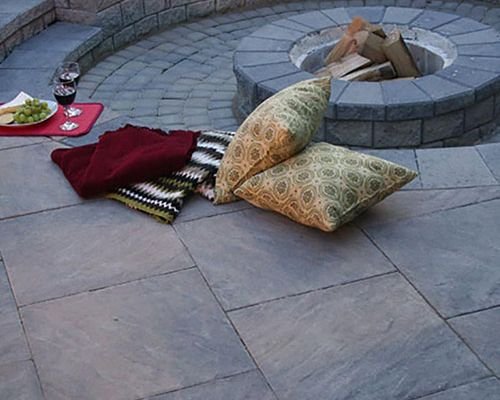
The trend toward multi-purpose outdoor spaces will intensify. Future yards will seamlessly blend areas for relaxing, entertaining, and food production, creating versatile environments that serve multiple needs. Outdoor kitchens, cozy fire pits, vegetable gardens, and lush lawns will coexist within thoughtfully designed landscapes. Innovative, eco-friendly materials will support these features, ensuring longevity and minimal environmental impact while encouraging a more integrated outdoor lifestyle.
Designers and homeowners will need to stay flexible and open-minded as environmental challenges and technological opportunities arise. Climate change, urbanization, and resource constraints demand resilient strategies. Modular elements, drought-tolerant plantings, and adaptable infrastructure will help outdoor spaces withstand unpredictable weather and environmental stresses. This proactive approach ensures that landscapes remain vibrant, functional, and sustainable over the long term.
Education and awareness will drive the adoption of innovative practices. As more Toronto residents learn about sustainable techniques like rainwater harvesting and native planting, they will seek landscapes that reflect these values. Landscape professionals must stay informed about emerging ecological principles and technologies, translating them into practical solutions that enhance both beauty and responsibility. This ongoing exchange of knowledge will shape a landscape future rooted in sustainability.
Designing with a forward-thinking mindset will be essential. The landscapes of tomorrow should anticipate environmental shifts, integrating resilient features that grow more beautiful and sustainable with time. Embracing modular designs, eco-friendly materials, and renewable energy sources will help outdoor spaces adapt to changing conditions while maintaining their aesthetic appeal. This ensures that yards remain personal sanctuaries, supporting both human comfort and ecological health.
The future of Toronto’s outdoor retreats lies in a balanced blend of creativity, responsibility, and adaptability. By leveraging technological advances and ecological insights, designers can craft landscapes that inspire and endure. Clients will enjoy outdoor environments that grow more vibrant and sustainable year after year, transforming the idea of a backyard from a static space into a dynamic, eco-conscious haven. This ongoing evolution highlights that responsible landscape design is a continuous journey—one that enhances lives and preserves the environment for generations to come.