




Underground street racing is more than just high-speed thrills; it’s a clandestine world where loyalty, brotherhood, and rebellion intertwine beneath neon-lit city streets. Drivers form tight-knit crews, forging bonds through late-night races, shared risks, and mutual sacrifice that transcend mere competition. These relationships are cemented by rituals, secrecy, and acts of support, creating a resilient culture rooted in trust and respect. But what sustains this fierce loyalty amidst constant threats from law enforcement and societal scrutiny? As the scene evolves with technological advances and digital connectivity, it faces new challenges and opportunities—balancing tradition with innovation. Will safety measures and community-driven initiatives preserve the essence of this rebellious spirit? Or will the need for self-expression and kinship continue to drive underground racing forward? This culture remains a powerful symbol of resistance and identity, raising the question: how can its enduring bonds survive in a changing world?
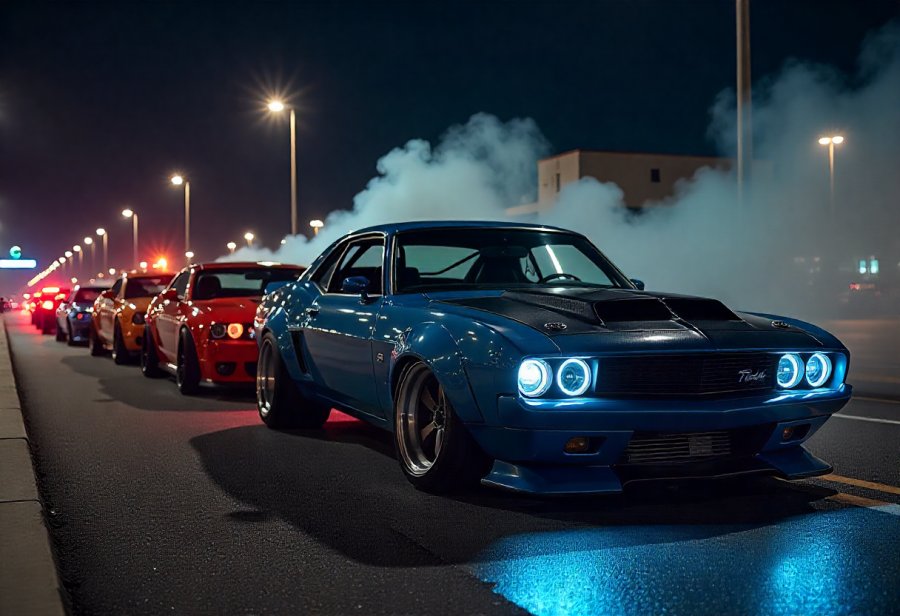
Night Falls, Cars Roar: The Pulse of Underground Street Racing
Underground street racing isn’t just about speeding through city streets; it’s a vibrant, rebellious scene that pulses with energy and defiance. As night falls, urban landscapes transform into clandestine racetracks where drivers gather in secrecy, driven by the thrill of pushing their cars—and themselves—to the limit. This culture attracts a diverse group of young people united by their love of cars, but also by a shared sense of loyalty and a desire to carve out their own space apart from mainstream society.
The allure of underground racing lies in its raw adrenaline and unfiltered excitement. Drivers chase the feeling of speed, racing through darkened streets under cover of night, where danger heightens the rush. It’s not just about winning; it’s about asserting presence, resisting societal norms, and expressing individuality through the roar of engines and custom modifications. These races become more than events—they’re acts of rebellion and statements of identity.
Beyond the adrenaline, the scene fosters a tight-knit community. Racers form crews that act like families, bonded through shared risks and late-night meetups. Loyalty is built on trust—helping each other with car tweaks, covering for one another during police raids, and standing together in moments of challenge. These relationships go far beyond the race, creating a sense of belonging that’s hard to find elsewhere, rooted in mutual respect and a collective passion for speed.
The origins of underground street racing trace back decades, evolving from informal races on quiet backroads into a broader cultural movement. Influenced by car culture, music, and fashion, it grew into a symbol of rebellion and self-expression. Today, social media amplifies the scene, sharing legendary races and inspiring new generations to keep the spirit alive, blending tradition with innovation.
Despite its illegal status and inherent risks, underground street racing remains a vital part of urban youth culture. It’s about more than cars; it’s about connection, identity, and resistance. This scene endures because it offers a space where young people can feel seen, valued, and free—transforming speed into a form of creative expression and community that continues to thrive beneath the city’s surface.
From Backroads to Global Fame: The Evolution of Street Racing
Street racing’s roots stretch back to mid-20th-century urban centers, where young car enthusiasts sought ways to challenge themselves beyond authorized race tracks. In those early days, it was about informal, spontaneous contests on quiet backroads, parking lots, or deserted city streets. The thrill of recognition and adrenaline drove these encounters, and as cars became more accessible and easier to modify, more young people joined in, turning casual races into a broader movement rooted in rebellion and self-expression.
Over time, street racing evolved alongside the rise of muscle cars, hot rods, and later, tuner culture. The scene flourished through creativity and defiance, emphasizing personal style through custom paint jobs, body kits, and engine upgrades. Movies and TV shows from the ‘80s and ‘90s helped bring it into the mainstream, framing street racing as a symbol of urban identity and individualism. These stories celebrated speed and daring, inspiring countless newcomers to embrace the underground scene.
The 2000s marked a turning point with social media and viral videos making legendary races and secret meetups accessible worldwide. Online, underground racers shared their exploits, creating a mythos around daring feats and clandestine spots. This digital exposure amplified the scene’s reach, fueling new generations’ interest and deepening its cultural significance. As the scene grew, legendary figures emerged from the shadows, their exploits fueling the mystique while reinforcing the values of loyalty and rebellion.
Throughout its history, street racing has maintained close ties to urban music, fashion, and art. Hip-hop lyrics often celebrate speed, loyalty, and defiance, echoing the core values of the scene. Car modifications and racing aesthetics influence streetwear and pop culture, turning cars into symbols of style and identity. This crossover helped embed street racing into urban culture, making it more than just a pastime—it’s a form of self-expression and community building.
Despite its illegal status and the inherent dangers, street racing remains a vital part of city life for many young people. It embodies resistance against societal constraints and offers a space where they can carve out their identity. As technology advances and social platforms evolve, the scene continues to adapt, blending tradition with innovation. Its enduring core—loyalty, brotherhood, and creativity—keeps the spirit of underground racing alive, fueling its ongoing relevance and cultural impact.
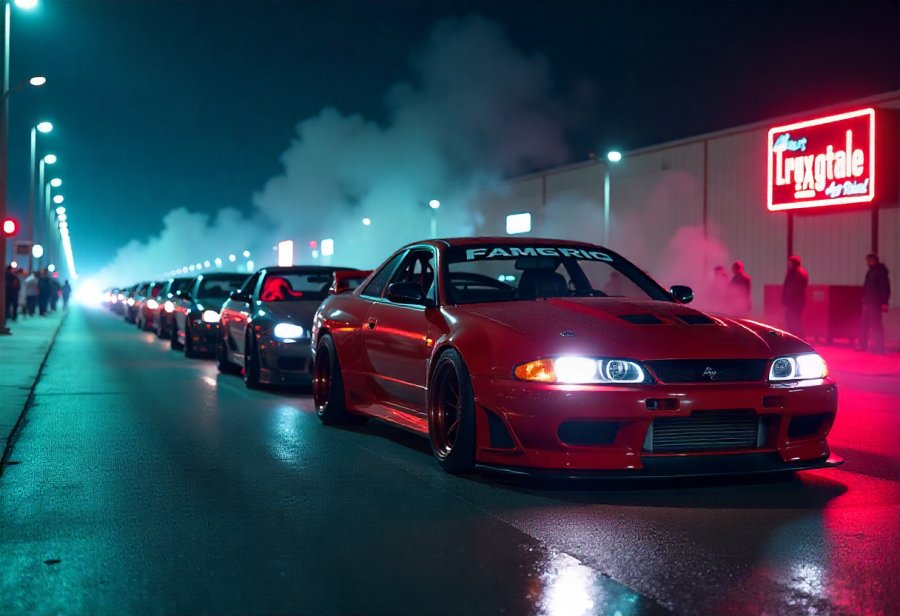
Speed, Loyalty, and Respect: The Core Values of Street Racing
At the core of underground street racing are values like loyalty, respect, and a shared passion for speed. These aren’t just words; they shape how racers see themselves and each other. Trust is the foundation of these relationships, with crews functioning like families built on mutual support and shared experiences. Whether it’s helping a teammate tune their car or standing together during police raids, these acts reinforce loyalty and deepen bonds that go beyond the asphalt.
Respect among racers extends beyond skill to how they treat each other off the track. Recognizing bravery, dedication, and effort is part of the unspoken code that keeps the scene cohesive. Rituals like meetups, burnouts, and greetings serve as signs of mutual respect and shared identity, strengthening the community’s fabric. These routines aren’t just customs—they’re symbols of loyalty and collective pride, reinforcing a sense of belonging.
Secrecy plays a vital role in maintaining trust within crews. Hidden locations and clandestine meetings demand a high level of confidence among members. Acts of support—like assisting with modifications or covering for each other—are acts of loyalty that solidify the group’s cohesion. When racers face external threats, such as police crackdowns, their unity is tested and strengthened through collective defense. These shared sacrifices forge a kinship that turns individual efforts into a resilient brotherhood.
Night racing intensifies these bonds. Darkness provides cover, making trust crucial as crews gather in secrecy and compete under the radar. The adrenaline rush of high-stakes, clandestine races fosters a deep sense of unity. Racers depend on each other’s instincts and courage, knowing their strength lies in collective support. These nocturnal rituals become rites of passage—moments that cement lifelong bonds and shared memories rooted in risk and trust.
More than just a pastime, street racing creates a culture of support and sacrifice. Acts of helping each other with cars or defending reputations build a foundation of mutual respect. These gestures transform individual efforts into a shared identity, where loyalty isn’t just expected—it’s earned through actions. The scene’s strength lies in its members’ unwavering commitment, turning speed into a symbol of kinship that persists through generations.
Ultimately, underground street racing is about forging a space where loyalty and brotherhood outweigh ego and individual success. These relationships—built on secrecy, mutual support, and shared risks—are what sustain the scene. Even as challenges arise from law enforcement or societal pressures, the core values of trust and loyalty keep the spirit alive. It’s this sense of belonging that transforms high-speed pursuits into a lasting culture of kinship, resilience, and rebellion.
Brotherhood on the Streets: How Loyalty Shapes the Underground Scene
Underground street racing is about more than just the thrill of speed; it’s about forging a family rooted in trust and loyalty. Racers form tight-knit crews that function like brotherhoods, where shared risks and secretive meets create bonds that go far beyond the asphalt. These relationships develop through late-night drives, clandestine races, and helping each other fine-tune cars. Support and consistency are key—trust is earned through actions that demonstrate bravery and commitment, turning casual camaraderie into a deep, unbreakable loyalty.
The bonds within these crews strengthen with every shared experience. When a member faces mechanical issues or legal threats, others step in without hesitation, knowing their reputation depends on collective effort. Facing police crackdowns or rival challenges together deepens loyalty, transforming individual efforts into a resilient, unified force. This unwavering support fosters a sense of belonging, making racing more than a hobby—it becomes a lifelong commitment rooted in mutual sacrifice and trust.
Loyalty is also expressed through rituals and customs that reinforce group identity. Pre-race greetings, burnouts, and shared pride in modifications aren’t just routines—they serve as symbols of respect and kinship. Helping each other improve cars or covering for teammates in tricky situations builds trust and deepens bonds. These acts of support turn individual achievements into shared victories, strengthening the fabric of the crew and solidifying a collective sense of purpose.
Night racing amplifies these connections. Darkness provides cover, making trust essential as crews gather secretly and race under the radar. The adrenaline of high-stakes, clandestine races fosters a powerful sense of unity, with racers depending on each other’s instincts and courage. These nocturnal moments become rites of passage—shared experiences that forge lifelong bonds, built on risk, loyalty, and mutual reliance.
At its core, street racing creates a space where loyalty and brotherhood take precedence over ego and individual success. These relationships—fostered through acts of support, sacrifice, and shared danger—are what sustain the scene. Even as law enforcement and societal pressures mount, the unbreakable bonds formed on these streets keep the spirit alive. It’s this sense of kinship that transforms high-speed pursuits into a culture of resilience, loyalty, and enduring connection.
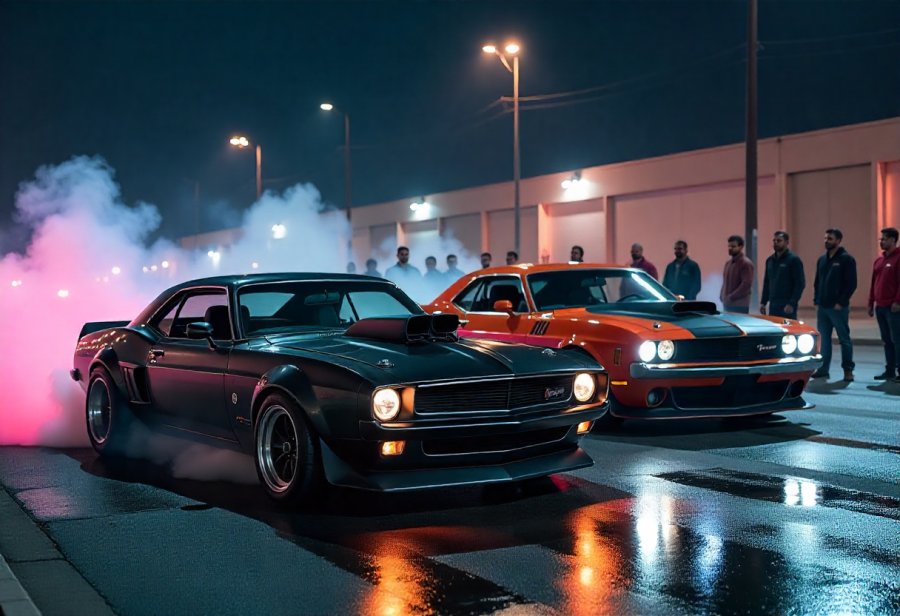
Accelerating into the Future: The Enduring Spirit of Street Racing
Street racing remains a powerful symbol of rebellion and community that endures beyond the thrill of speed. Its significance lies in providing a space where young people can carve out their identity and forge connections that run much deeper than the race itself. Despite ongoing legal battles and safety concerns, the core values of loyalty, brotherhood, and creativity continue to drive the scene’s resilience, adapting to new technologies and social shifts without losing their essence.
As the scene evolves, many see street racing as a form of urban artistry—a blend of craftsmanship and self-expression. Car modifications, nighttime rituals, and shared secrets deepen bonds that transcend the vehicles, transforming high-stakes races into moments of kinship. These relationships are built on trust and mutual support, turning individual efforts into collective strength. Even in the face of obstacles, these bonds remain vital, fueling the scene’s vitality across generations.
Looking ahead, safer alternatives like organized track days or dedicated racing zones could channel the passion for speed into more controlled environments. Such spaces would allow enthusiasts to experience the adrenaline rush without risking safety or legal trouble. Community programs and youth initiatives might also offer constructive outlets, fostering skills and camaraderie while steering participants away from illegal street racing. These efforts help preserve the scene’s core values—loyalty, brotherhood, and innovation—within a safer framework.
Technological advances, especially electric vehicles, are poised to reshape the scene further, offering quieter, cleaner, and more accessible ways to race. Online platforms and social media will continue to keep the community connected, sharing stories, organizing events, and maintaining secrecy when needed. These digital tools can help sustain the scene’s spirit while reducing physical risks, merging tradition with innovation in ways that honor its rebellious roots.
Despite these changes, the fundamental ethos of loyalty and brotherhood will likely stay strong. For many, street racing isn’t just about the cars—it’s about the relationships built through shared risks and nocturnal rituals. These bonds, forged through sacrifice and trust, keep the culture alive and vibrant, inspiring new generations to carry the torch. The scene’s resilience shows that as long as the streets stir passion and kinship, it will continue to adapt but never truly fade.
Law enforcement, safety regulations, and societal attitudes will always pose challenges, but finding a balance is key. Embracing safer practices and fostering community engagement can help transform street racing from a clandestine activity into a respected urban tradition. Recognizing its cultural roots and ongoing significance can promote understanding, ensuring that the spirit of underground racing persists in some form, fueling innovation and connection.
In the end, the lasting strength of underground street racing lies in its deep connections and its ability to evolve without losing its core. Its history of rebellion, creativity, and kinship demonstrates that as long as the streets inspire passion and loyalty, the scene will find ways to thrive. Future generations will continue to honor these traditions, driven by the same desire for freedom, community, and self-expression that has kept it alive for decades. The spirit of underground racing is rooted in more than just speed—it’s about belonging.