




Imagine transforming your business communication with customized telephony solutions tailored precisely to your workflows and organizational needs. Could such personalization unlock unprecedented efficiency, responsiveness, and collaboration? As technology advances rapidly—from traditional landlines to IP phones and cloud-managed platforms—organizations face the challenge of staying ahead in a competitive landscape. This guide explores how innovative devices like Grandstream’s carrier-grade IP phones, combined with centralized management systems, streamline deployment, security, and scalability across multiple locations. It also highlights the evolution of telephony, revealing how smart, adaptable systems can future-proof your operations as AI, 5G, and voice recognition redefine connectivity. Are you harnessing the full potential of these innovations, or missing out on a crucial advantage? Embracing personalized, cloud-enabled communication infrastructure isn’t just a trend; it’s a strategic move toward agility, security, and growth—so why settle for less when the future of communication is waiting to be unlocked?
Experience Cutting-Edge VoIP Solutions with FiberConX Communications in Canada
FiberConX Communications, a leading provider of VoIP business and residential phone services in Canada, offers advanced communication features designed to enhance your connectivity. Discover the power of Grandstream IP Phones for seamless voice communication. Our solutions include voicemail, IVR systems, Ring Groups, and voicemail-to-mail, ensuring you stay connected anytime, anywhere. Whether you’re a business looking to streamline your operations or a resident seeking reliable phone services, FiberConX has you covered. Contact us at [email protected] or call 1.800.961.6856 to learn how our tailored VoIP solutions can elevate your communication experience.
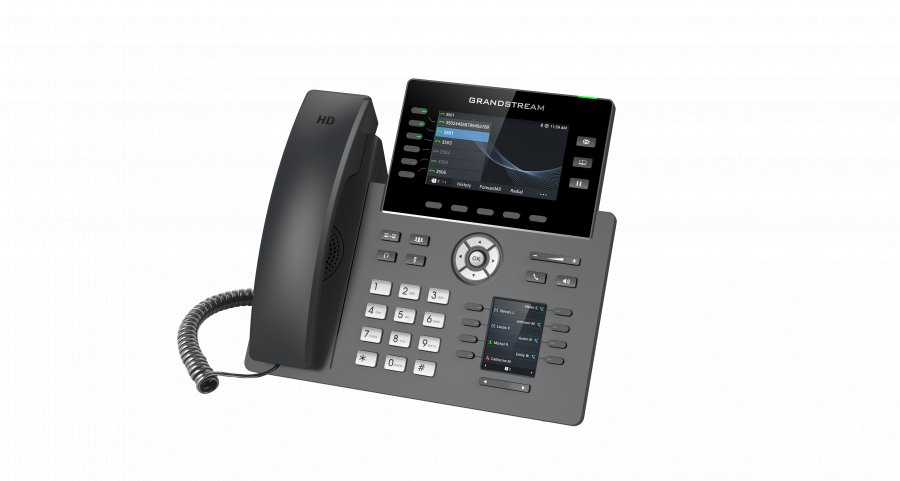
Transform Your Business Communications with Customized Telephony Solutions
Effective communication is the backbone of any successful business. As companies grow and teams become more distributed, relying on generic phone systems can lead to bottlenecks, misunderstandings, and missed opportunities. That’s where customized telephony solutions come in. By designing communication systems tailored to specific workflows and organizational needs, businesses can unlock new levels of efficiency and responsiveness. Whether managing multiple locations or supporting a small, agile team, the right setup makes a noticeable difference in daily operations.
Personalized telephony isn’t just about replacing old hardware; it’s about creating a system that aligns seamlessly with how your organization functions. Modern solutions, like Grandstream’s IP phones combined with cloud management platforms, offer flexible, scalable environments that adapt as your business evolves. These systems streamline internal processes and enhance external interactions, making it easier to connect with customers and colleagues alike. When communication tools match your organizational structure, responses become quicker, collaboration improves, and overall productivity rises.
The shift toward tailored solutions is driven by rapid technological advancements. Cloud-managed platforms allow for remote configuration, updates, and troubleshooting, reducing the need for on-site visits. Devices built for mass deployment, such as Grandstream’s enterprise-grade IP phones, support quick rollouts across multiple locations, ensuring consistency and saving valuable setup time. This integration of hardware and cloud management makes implementing personalized telephony more straightforward and reliable.
Designing a system that fits your needs begins with understanding your specific communication challenges. Assess your current workflows, identify pain points, and determine which features will deliver the most value. Choosing the right devices—ranging from basic desk phones to advanced units with programmable keys—helps maximize user efficiency and satisfaction. Paired with centralized management tools, these devices support effortless deployment and ongoing maintenance, even as your organization expands.
Staff training is crucial to ensure a smooth transition. Providing clear, hands-on guidance helps employees understand new features and encourages quick adoption. When teams are comfortable with their communication tools, response times improve, collaboration becomes more natural, and overall efficiency increases. Investing in proper onboarding ensures that your tailored telephony system delivers its full potential from day one.
Security must also be a priority during deployment. With remote management and cloud-based configurations, safeguarding sensitive data is essential. Implementing encryption, strong passwords, and regular updates protects your communication environment from evolving threats. Continuous monitoring and proactive security measures help maintain system integrity, preventing vulnerabilities that could compromise your operations.
Proper planning involves assessing your network capacity and ensuring compatibility with existing infrastructure. Early testing and involving experienced IT professionals can resolve potential issues before deployment. With thorough preparation and the right tools, your organization can successfully implement a customized telephony system that offers long-term benefits—improved efficiency, scalability, and security—setting the stage for continued growth and success.
Tracing the Evolution of Telephony: From Landlines to Cloud-Driven Connectivity
The journey of telephony is a story of relentless innovation that has continuously reshaped how we connect. It all started with simple analog landlines, enabling voice conversations over physical wires. These early systems were straightforward and reliable but lacked features and flexibility, supporting only basic calls. As technology progressed, digital telephony emerged, offering clearer audio quality and more stable connections, making business communication more dependable and efficient.
The real turning point arrived with the advent of IP (Internet Protocol) telephony, which transitioned voice communication onto the internet. This shift unlocked a wave of new capabilities, including voicemail, call forwarding, and conference calling, all managed over digital networks. IP-based systems not only improved sound quality but also laid the groundwork for cloud-managed solutions, where remote configuration and monitoring became standard practice, simplifying maintenance and scaling.
Hardware innovation kept pace with these advances. IP phones, like those from Grandstream, became more sophisticated—supporting high-definition audio, programmable keys, and seamless network integration. These devices were designed to meet the demands of modern enterprises, offering reliable, feature-rich communication options at scale. Meanwhile, centralized management platforms such as GDMS enabled IT teams to oversee large fleets of devices effortlessly, streamlining deployment, updates, and troubleshooting across multiple locations.
The introduction of cloud management platforms marked another significant leap. Instead of configuring each device individually, organizations could remotely deploy updates, monitor performance, and troubleshoot issues in real time. This capability increased scalability, reduced downtime, and allowed telephony systems to adapt rapidly to organizational changes. Devices designed for mass deployment further simplified large-scale rollouts, ensuring consistency and saving valuable time during expansion or upgrades.
Today, the evolution continues with hybrid solutions that blend traditional infrastructure with modern cloud technologies. Businesses can upgrade gradually, integrating new systems without disrupting existing setups. Future innovations like 5G, AI-driven call routing, and voice recognition promise smarter, faster, and more reliable communication channels. Each milestone builds upon the last, transforming telephony from simple voice transmission into a dynamic, adaptable backbone of modern business operations.

Modern Industry Insights: The Power of Personalized Telephony Systems
Today’s businesses increasingly turn to customized telephony solutions to boost efficiency and stay competitive. Off-the-shelf systems often fall short of meeting unique operational needs, prompting many organizations to adopt tailored setups centered around devices like Grandstream’s IP phones and cloud management platforms. These personalized systems go beyond basic features; they create communication environments aligned specifically with each company’s workflows, whether managing multiple departments or supporting remote teams. This focus on customization translates into faster responses, better collaboration, and improved overall productivity.
Industry experts see this shift as a strategic response to rapid technological change. Cloud management, AI capabilities, and network optimization tools enable organizations to oversee their communication infrastructure in real time, making quick adjustments as needed. This agility helps businesses respond swiftly to new opportunities or challenges, streamlining internal processes and elevating customer interactions. As a result, tailored telephony systems aren’t just a convenience—they’re a vital part of modern business resilience.
Many companies view customized solutions as essential for growth. They prefer systems that fit their specific operational models, rather than settling for generic setups that require compromises. These systems support remote work, integrate seamlessly with digital workflows, and adapt as the organization evolves. Such flexibility ensures faster, more relevant responses to clients and colleagues, strengthening relationships and competitive edge. Moreover, employees often find these tools more intuitive and satisfying, leading to higher engagement and efficiency.
Adopting advanced telephony solutions comes with challenges, including integration complexities with legacy systems and initial costs. Proper planning and expert involvement are critical to smooth deployment. Despite these hurdles, the long-term benefits—scalability, security, and operational efficiency—far outweigh the drawbacks. Success stories highlighted in industry coverage reinforce the value of customization, encouraging more organizations to explore these innovative setups.
Media and industry reports increasingly emphasize the competitive advantage of personalized telephony. They showcase how organizations with cloud-managed, device-specific systems experience streamlined operations, improved customer satisfaction, and cost savings. At the same time, they underline the importance of security and thoughtful implementation to mitigate risks. This balanced perspective helps decision-makers weigh the benefits against potential challenges, leading to more informed investments.
Regional differences influence how businesses perceive and adopt these solutions. North America and Europe, with greater familiarity and infrastructure for cloud technology, lead the way in adoption. Emerging markets may face economic or infrastructural barriers, affecting the pace of change. Recognizing these nuances allows providers to tailor their messaging and support, making personalized telephony more accessible globally.
Overall, the consensus is clear: customized telephony is no longer optional but essential. With the right tools and strategies, organizations can create more efficient, adaptable, and customer-focused communication environments. Embracing innovation and continuous improvement will ensure they stay ahead in a fast-evolving digital landscape, turning their telephony infrastructure into a key driver of growth and resilience.
Practical Strategies for Deploying and Optimizing Tailored Telephony Systems
Deploying customized telephony solutions begins with a thorough understanding of your business’s unique communication needs. Take time to analyze current workflows, identify bottlenecks, and pinpoint features that will deliver the most value. This targeted approach ensures you select the right devices, like Grandstream’s IP phones, that match the roles and demands of your team members. Compatibility with your existing network infrastructure is critical; early assessment can prevent technical hurdles during deployment and streamline the transition.
Planning a smooth rollout involves evaluating physical spaces and network capacity. Using cloud management platforms such as GDMS simplifies this process by enabling remote provisioning, configuration, and ongoing monitoring of multiple devices across locations. These tools allow for quick deployment of updates, remote troubleshooting, and system adjustments, reducing downtime and minimizing disruption. Centralized control makes scaling easier as your organization grows or shifts, ensuring your communication system remains aligned with evolving needs.
Choosing the right devices is key to maximizing productivity. Grandstream’s IP phones come in various models designed to suit different roles, from basic desk phones to advanced units with programmable keys and high-definition audio. Selecting devices tailored for specific functions enhances user experience and efficiency. When paired with cloud management, these devices support effortless deployment, real-time monitoring, and streamlined maintenance, helping your team stay connected and responsive.
Training staff is often overlooked but vital to successful implementation. Providing clear, hands-on guidance accelerates adoption and reduces resistance. When employees understand how to leverage new features and tools, response times improve, collaboration becomes more seamless, and overall productivity rises. Ongoing training and support foster confidence, ensuring your investment in personalized telephony delivers maximum benefits from the start.
Security must be integrated into every step of deployment. With remote management capabilities, safeguarding sensitive communication is essential. Implement encryption protocols, strong passwords, and regular system updates to protect against cyber threats. Continuous monitoring of device performance and security settings helps identify vulnerabilities early, maintaining system integrity and preventing disruptions that could compromise your operations.
Finally, anticipate potential challenges such as integrating new systems with legacy infrastructure or managing network limitations. Conduct compatibility tests early in the process and involve experienced IT professionals to troubleshoot issues swiftly. With careful planning, the right tools, and proactive management, your organization can deploy personalized telephony solutions that deliver long-term efficiency, scalability, and security—laying a strong foundation for future growth.

Future Horizons: Embracing Innovation in Personalized Business Communication
As technology continues to accelerate, the future of personalized telephony promises even greater opportunities for organizations willing to innovate. Features like advanced cloud services, AI-driven call management, and voice recognition are set to make communication systems more intuitive, secure, and adaptable. Businesses that embrace these innovations will be better positioned to respond swiftly to market shifts, streamline operations, and deliver tailored experiences that meet the evolving needs of their teams and customers.
Investing in customized telephony today offers more than just a solution to current challenges; it’s a strategic move to future-proof your organization. Tools like Grandstream’s IP phones and cloud management platforms such as GDMS are evolving rapidly, supporting a more connected and agile environment. These technologies enable seamless scaling, whether during periods of rapid growth or when integrating new communication channels. Staying open to emerging trends and maintaining a proactive approach unlocks ongoing value, preventing your communication infrastructure from becoming outdated or rigid.
Looking ahead, innovations like 5G connectivity, AI-powered call routing, and voice recognition will further redefine how organizations communicate across multiple locations and remote teams. These advancements promise faster, more reliable, and smarter interactions, transforming telephony from a basic utility into a strategic asset. As these features become mainstream, they will facilitate more autonomous, data-driven decision-making and enhance customer engagement through more natural and responsive conversations.
Adapting to these changes requires a strategic mindset. Continuous learning, regular upgrades, and a focus on security will be essential to harness the full potential of these new capabilities. Organizations that view their communication systems as evolving assets—rather than static tools—will find themselves better equipped to navigate digital disruptions and seize new opportunities. This mindset shift turns telephony from a mere operational necessity into a core driver of innovation and growth.
Those who prioritize innovation and agility will gain a competitive edge, enjoying increased efficiency, improved customer satisfaction, and greater resilience. Their communication environments will become more personalized, faster, and more aligned with business goals. As the landscape shifts, staying ahead means embracing change, experimenting with new solutions, and continuously refining how teams connect and collaborate.
In a landscape where technological advances are relentless, the organizations that remain curious and adaptable will lead the way. Viewing their telephony infrastructure as a strategic asset—one that can evolve with technological trends—will be crucial. The commitment to ongoing innovation not only enhances current operations but also builds a foundation for sustainable growth, resilience, and success in the digital age.