




Are winter tires truly the safety upgrade they’re often made out to be, or is their reputation a bit inflated? While they are engineered with specialized rubber compounds and tread patterns designed to enhance grip on icy, snowy roads, recent insights reveal that their effectiveness depends heavily on proper maintenance and cautious driving habits. Controlled studies confirm that vehicles equipped with winter tires stop faster and respond more predictably in winter conditions, but they’re not a foolproof solution for icy dangers. Overconfidence in their capabilities can lead drivers to neglect other essential safety practices, such as reducing speed and increasing following distances. For those living in regions with severe winter weather, the investment can be worthwhile, potentially reducing accidents and repairs. Yet, in milder climates, the added expense might not yield enough benefit. So, should you rely solely on winter tires, or integrate them into a broader winter safety strategy?

Debunking Myths: Winter Tires and Real Safety
Winter tires are often seen as essential gear for safe driving when temperatures drop and roads turn icy or snowy. Many drivers believe that simply switching to these specialized tires guarantees better grip, making winter conditions safer. While winter tires do improve traction compared to all-season tires, they’re not a magic solution that instantly prevents accidents. Myths circulate, like the idea that winter tires make icy roads completely safe or that once installed, cautious driving isn’t necessary. In reality, they are just one piece of a broader safety approach. Properly used, winter tires can enhance control and reduce stopping distances, but they don’t eliminate all risks. Knowing what they can and can’t do helps drivers avoid overconfidence, encouraging safer habits in winter weather. This awareness is key to navigating challenging conditions more confidently and reducing accidents on icy roads.
Unveiling the Science That Powers Winter Tire Performance
Winter tires are engineered with specialized materials and tread patterns that make them more effective in cold and icy conditions. Their rubber compounds stay softer and more flexible at low temperatures, unlike standard tires that harden and lose grip when it gets freezing outside. This flexibility helps the tire conform better to uneven or slippery surfaces, providing improved traction and control. The tread design also plays a key role; winter tires feature deeper grooves and more biting edges that bite into snow and slush, channeling away water and reducing hydroplaning risks. Scientific principles of friction and material science underpin these features, explaining why winter tires outperform regular tires on icy roads. Controlled testing shows they significantly shorten braking distances and improve steering response, but their performance depends on proper maintenance and correct installation. Without regular checks and correct inflation, even the most advanced winter tires can lose their edge, emphasizing that technology alone isn’t enough. Properly selected and maintained, winter tires harness these scientific advantages to keep drivers safer in winter conditions.
Key Focus Areas: How Winter Tires Enhance Road Grip
Winter tires are designed to significantly improve control on icy and snowy roads. Their softer rubber compounds remain flexible in low temperatures, allowing better grip where standard tires often struggle. This increased flexibility helps the tire conform to uneven surfaces, reducing the likelihood of skidding and loss of traction. The deeper treads and biting edges are specifically crafted to grip into snow and slush, giving drivers more confidence during acceleration, turning, and braking. Proper maintenance, such as ensuring adequate tread depth and correct inflation, maximizes these benefits. Without it, even the best tires can underperform. Safe driving habits—like reducing speed and increasing following distances—are essential complements to winter tires. These strategies work together to enhance vehicle stability and control in slippery conditions. When used properly, winter tires make a tangible difference in maintaining safety and confidence behind the wheel during winter’s most challenging days.
Cold Weather Challenges: How Temperature Affects Tire Grip
Cold temperatures directly impact tire rubber, which in turn affects vehicle control during winter driving. When temperatures dip below freezing, the rubber compounds in standard tires tend to harden and lose their flexibility. This stiffening reduces the tire’s ability to grip icy and snowy surfaces, leading to longer stopping distances and decreased steering response. Winter tires, however, are made with specialized rubber blends designed to stay softer and more pliable in cold weather. This flexibility helps maintain better contact with the road, ensuring improved traction and handling.
The science behind this is straightforward: softer, more flexible tires generate more friction with icy roads, which is essential for safe acceleration, braking, and turning. Hardened tires slide more easily, increasing the risk of skidding. By resisting stiffening, winter tires provide a crucial edge in maintaining control when temperatures plummet. Proper tire choice and maintenance become vital in regions where low temperatures are common. Regular checks of tread depth and inflation ensure the tire’s rubber remains optimally pliable, maximizing grip and safety.
Weighing Costs: Is Investing in Winter Tires Worth It?
Investing in winter tires involves a notable upfront expense, which can give drivers pause. Prices vary based on vehicle size, brand, and quality, with premium options offering enhanced performance and durability at a higher cost. While this initial investment might seem steep compared to all-season tires or temporary solutions like chains, it’s important to consider the safety benefits. Winter tires consistently reduce braking distances and improve handling on icy roads, potentially lowering the risk of accidents, repairs, and insurance claims over time.
Winter tires typically last multiple seasons with proper care, spreading out their cost. This long-term perspective can make them more economical than frequently replacing all-season tires that perform poorly in severe cold. Additional expenses for mounting, balancing, and storage should be factored into the overall picture, but these costs often justify the safety gains.
For drivers in regions with harsh winters, the safety benefits and potential cost savings in repairs or insurance premiums make winter tires a smart investment. Milder climates might not require them, but understanding the full financial and safety picture helps in making an informed choice.
Best Practices for Safe Winter Driving
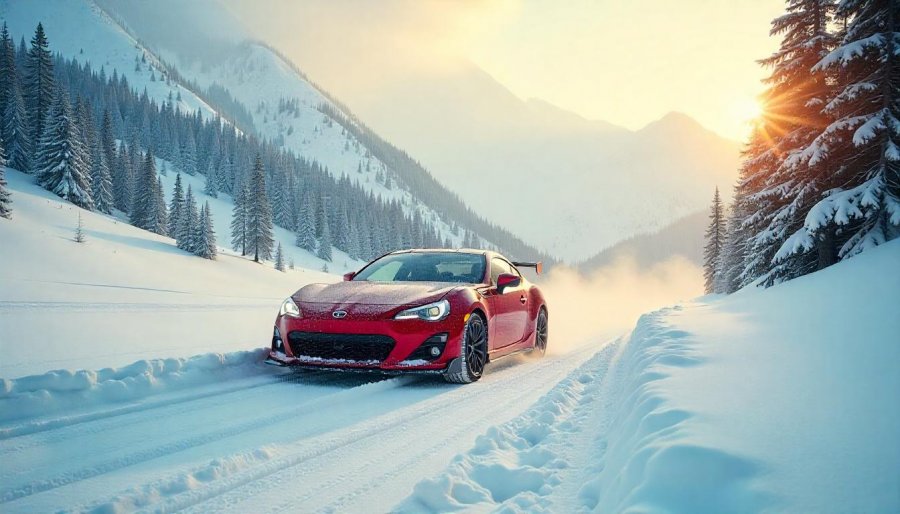
Safe winter driving relies on more than just the right tires; it requires adopting proven habits that keep you in control. Slowing down is crucial—reducing your speed provides more reaction time and helps prevent skidding. Maintaining a greater following distance allows for longer stopping distances, especially on icy roads. Gentle acceleration and smooth braking keep your vehicle stable and reduce the risk of slipping. Regularly checking tire pressure and tread depth ensures your tires perform optimally in winter conditions. Visibility matters too—keep windows and lights clear of ice and frost to avoid surprises. Even with quality winter tires, aggressive driving can lead to accidents. Staying calm, driving slowly, and anticipating hazards are your best tools for safety. Combining cautious habits with proper vehicle maintenance creates a solid foundation for winter travel, helping you navigate icy roads with confidence and reducing the likelihood of incidents.
Maintaining Control: The Impact of Winter Tires on Vehicle Safety
Winter tires play a crucial role in maintaining vehicle control on icy and snowy roads. Their softer rubber compounds stay flexible in low temperatures, which helps the tires grip slippery surfaces more effectively. Unlike standard tires that harden and lose traction when it’s cold, winter tires adapt better to winter conditions, allowing for more confident acceleration, steering, and braking. The deeper treads and biting edges are specifically designed to bite into snow and ice, reducing skidding and helping drivers stay in control. Proper maintenance, such as ensuring sufficient tread depth and correct inflation, maximizes these benefits and keeps the tires performing at their best. Even with high-quality winter tires, cautious driving habits remain essential; reducing speed and increasing following distances are key to safety. These practices complement the enhanced grip offered by winter tires, creating a more stable and predictable driving experience. When used together, effective tires and responsible driving significantly improve safety during winter’s most challenging conditions.
Real-World Evidence: Do Winter Tires Really Improve Safety?
Research and real-world tests consistently show that winter tires make a noticeable difference on icy and snowy roads. Vehicles equipped with these tires tend to stop shorter and respond more predictably, giving drivers greater confidence in difficult conditions. Numerous transportation safety agencies have documented these improvements, with controlled experiments confirming reduced braking distances and improved steering control during winter storms. These findings highlight the tangible safety advantages winter tires offer in challenging weather.
However, their performance relies heavily on proper installation and maintenance. Worn tread or incorrect tire pressure can diminish the benefits, regardless of the tire’s design. No tire can fully eliminate the inherent risks of icy surfaces, but evidence clearly supports that winter tires provide a measurable edge when conditions are at their worst. They help drivers stay in control, especially in severe winter climates, reducing the likelihood of accidents and skidding.
While winter tires aren’t a foolproof solution, the data underscores their importance for safety. When properly maintained, they significantly improve traction and handling, making winter driving safer. Still, cautious driving remains essential; even the best tires can’t compensate for reckless habits or extreme conditions. Overall, the evidence affirms that winter tires are a valuable safety tool backed by scientific and practical validation.
Advantages of Winter Tires Backed by Science and Practice
Winter tires deliver clear, scientifically supported safety advantages that make them a smart choice for cold-weather driving. Their specially formulated rubber compounds remain softer and more flexible in freezing temperatures, which helps maintain traction on icy and snowy surfaces. This increased grip translates into shorter braking distances and more predictable handling, even in the slipperiest conditions. The deeper treads and biting edges are designed to dig into snow and slush, reducing hydroplaning and skidding risks. Studies consistently show vehicles equipped with winter tires respond more reliably and stop faster during winter storms, providing drivers with greater confidence behind the wheel.
Beyond the raw technology, proper maintenance enhances these benefits—regular tread checks and correct inflation ensure the tires perform at their best. When combined with cautious driving habits, winter tires significantly improve vehicle stability and control. This combination of advanced design and responsible driving creates a safer, more confident winter driving experience, helping drivers navigate the season’s challenges with peace of mind.
Icy Road Safety: Essential Tips for Winter Drivers
Driving on icy roads demands more than just good tires—it requires cautious habits and clear strategies. Slowing down is your most effective safety tool; reducing speed gives you more control and time to react to unexpected patches. Maintaining a longer following distance allows for safer stopping, especially on slick surfaces where skidding is more likely. Gentle acceleration and smooth braking keep your vehicle stable and prevent wheel slip, making maneuvers safer. Keep your tires properly inflated and ensure adequate tread depth, as worn or under-inflated tires lose grip more easily. Clear all windows, mirrors, and lights of ice and frost to maintain visibility and avoid surprises. Stay alert and avoid abrupt turns or sudden stops, which can cause loss of control. Planning your route to avoid steep hills or untreated roads can also reduce risk. Remember, even with the best tires, cautious driving is essential—your careful habits are the best safeguard against winter accidents.
Winter Tire Myths: Separating Fact from Fiction
Many assume that winter tires automatically deliver superior grip on icy roads, but the truth is more nuanced. While they are designed with features like softer rubber compounds and aggressive tread patterns to improve traction, their effectiveness isn’t absolute. Proper installation, sufficient tread depth, and regular maintenance play crucial roles in how well they perform. Scientific studies confirm that vehicles with winter tires tend to stop shorter and handle better on snow and ice, but they don’t eliminate the inherent dangers of icy conditions. Overhyping their benefits can lead drivers to neglect other safety measures, like reducing speed or increasing following distance. Winter tires are valuable tools, but they’re only part of a broader safety approach. They won’t make icy roads risk-free, but when used correctly and combined with cautious driving, they significantly improve safety and control. Recognizing their limits helps prevent overconfidence and encourages responsible winter driving habits.
Making the Right Choice: Should You Invest in Winter Tires?
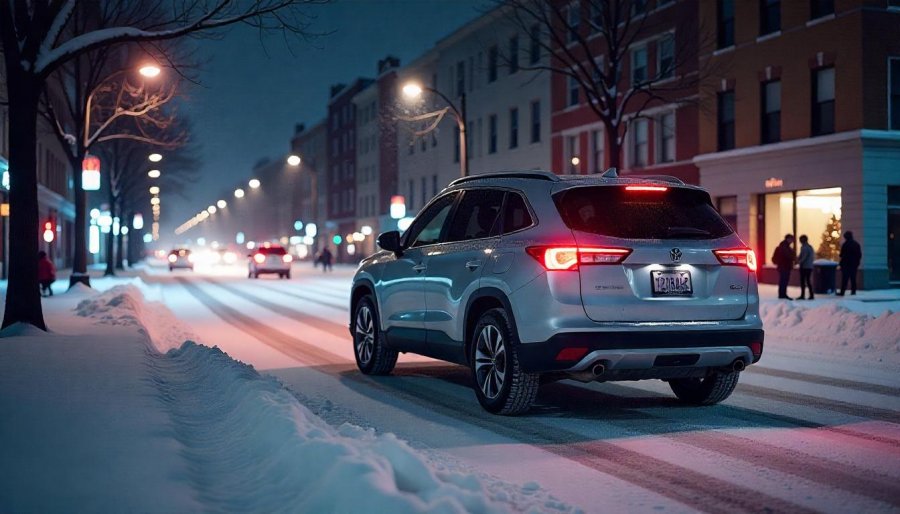
Deciding whether to invest in winter tires depends heavily on your driving environment and personal safety priorities. If you live in a region where temperatures frequently dip below freezing and roads are often icy or snow-covered, winter tires can provide a significant safety boost. Their enhanced grip and shorter stopping distances reduce the risk of accidents, making them a smart choice for harsh winter conditions. On the other hand, if your winters are mild with only occasional snow or ice, the added expense and effort may not be justified. In such cases, high-quality all-season tires combined with cautious driving might suffice to keep you safe. Consider how often you face severe weather and how much peace of mind matters to you. For those with long commutes or frequent trips on treacherous roads, winter tires offer valuable control and confidence. Ultimately, weighing the cost against the potential safety benefits helps determine if they’re the right fit for your driving needs.