




Cleopatra VII is often remembered for her legendary beauty and dramatic romances, but her true legacy lies in her sharp intellect and strategic mastery. Could a ruler’s influence be built more on wisdom and cultural insight than on superficial charm? This portrayal reveals her as a deeply educated, multilingual leader who mastered diplomacy, symbolism, and political resilience amid Rome’s growing dominance. Her ability to forge powerful alliances with Julius Caesar and Mark Antony was driven by calculated strategy, not sentiment, emphasizing her profound understanding of perception and negotiation. Cleopatra’s patronage of Alexandria’s scholarly community and her alignment with Egyptian gods like Isis reinforced her divine authority and cultural legitimacy. Her story challenges modern notions of leadership, reminding us that true power resides in the strength of the mind—through intelligence, adaptability, and resilience—leaving a legacy that continues to inspire beyond her time.
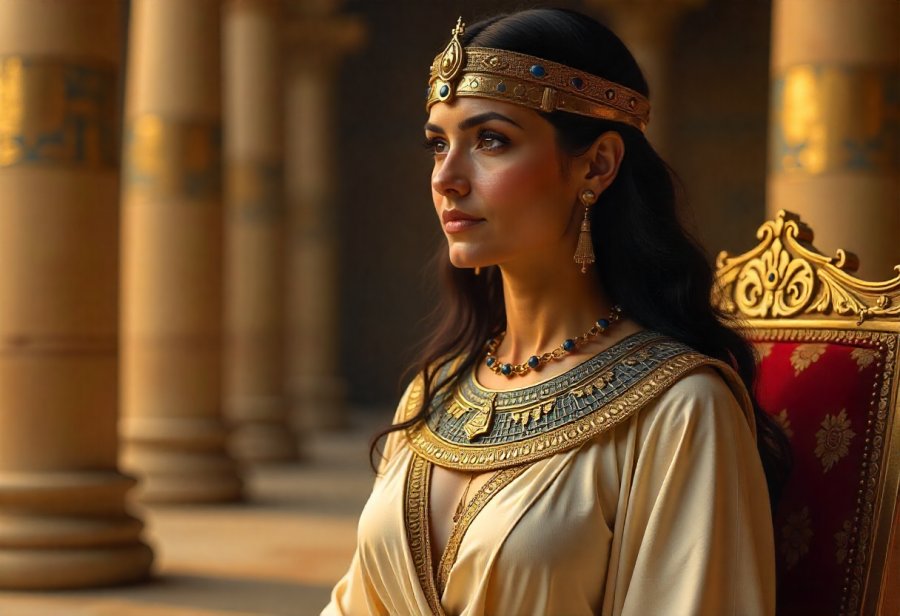
Unveiling Cleopatra VII: The Scholar Queen Behind the Legend
Cleopatra VII is often remembered for her legendary beauty and dramatic romances, but her true legacy lies in her sharp mind and political acumen. She was a highly educated, multilingual ruler who mastered the art of diplomacy in a complex, turbulent world. Her intelligence allowed her to see beyond surface appearances, focusing instead on strategies that would safeguard her kingdom’s future amid external threats and internal conflicts.
As Egypt’s last active pharaoh, Cleopatra inherited a land of immense wealth and cultural richness, yet one increasingly vulnerable to the expanding influence of Rome. Her reign was characterized by her ability to adapt quickly and forge alliances that maintained Egypt’s independence. She understood that leadership required more than just power—it demanded insight, negotiation, and a deep understanding of her own cultural and political landscape.
Few realize that Cleopatra was a scholar as well as a ruler. She engaged in philosophy, sciences, and the arts, and her education was extensive. Fluent in Egyptian, Greek, and Latin, she communicated directly with diverse foreign allies and enemies. This linguistic and intellectual fluency became a key diplomatic tool, allowing her to craft nuanced messages that resonated across different cultures and helped her navigate complex political waters.
Her leadership style also relied heavily on symbolism and religious authority. Cleopatra aligned herself with Egyptian gods like Isis, portraying herself as a divine figure to legitimize her rule. She supported Alexandria’s renowned library and scholarly community, recognizing that knowledge and education were vital for maintaining influence and inspiring loyalty. Her connection to learning and cultural tradition helped reinforce her legitimacy and foster a sense of shared identity among her people.
Throughout her reign, Cleopatra demonstrated that effective leadership centered on strategic thinking, cultural awareness, and resilience. Her ability to navigate political rivalries, forge powerful alliances, and employ religious symbolism set her apart as a ruler who valued the strength of her mind over superficial qualities. Her legacy endures as a testament to the power of intelligence and adaptability in leadership—lessons that continue to resonate centuries later.
The Art of Strategy: Cleopatra’s Diplomatic brilliance and Egypt’s Independence
Cleopatra’s leadership was defined by her extraordinary ability to adapt and strategize in a world full of threats and shifting alliances. She combined sharp political instincts with a deep understanding of her cultural landscape, allowing her to navigate Egypt’s delicate position between powerful neighbors and the expanding reach of Rome. Her diplomatic skill was most evident in her relationships with Julius Caesar and Mark Antony, where she balanced persuasion and negotiation to secure support without sacrificing Egypt’s independence. These alliances were not based on sentiment but on careful calculations that strengthened her kingdom’s stability and her own authority.
Her intelligence played a central role in her leadership. Fluent in multiple languages and deeply educated, Cleopatra engaged with scholars at Alexandria’s renowned library, using her cultural literacy to craft nuanced diplomatic messages. This ability to communicate across cultures gave her an edge in negotiations, helping her build alliances and influence perceptions. She understood that symbolism and religious authority could reinforce her legitimacy; she aligned herself with Egyptian gods like Isis, employing rituals, titles, and imagery to present herself as a divine figure. This blend of cultural insight and political savvy made her a master strategist, capable of inspiring loyalty and rallying her people amid external pressures.
Cleopatra’s mastery of alliances was crucial to maintaining Egypt’s independence in a time when Rome’s power was growing. Her relationship with Julius Caesar was a calculated move—by aligning with Rome’s most influential leader, she gained military backing and political stability after internal conflicts. Later, her partnership with Mark Antony showcased her diplomatic finesse; she managed to preserve her sovereignty while cultivating powerful relationships that could counterbalance Rome’s dominance. These moves weren’t impulsive but deliberate efforts to maximize her influence and protect her kingdom’s future.
Supporting her political strategies was her patronage of Alexandria’s library and scholarly community. Cleopatra saw education and knowledge as vital tools for leadership, actively engaging with scientific and philosophical pursuits. This fostered an environment of learning that elevated Egypt’s cultural prestige and reinforced her image as a wise, enlightened ruler. By championing scholarship, she ensured that Egypt remained a hub of intellectual activity, which in turn bolstered her authority and legitimacy.
Her ability to use religious symbolism further strengthened her position. Cleopatra portrayed herself as a divine figure, often associating with gods like Isis to legitimize her rule. Her rituals, titles, and imagery created a leadership style rooted in cultural and spiritual resonance, forging a deep spiritual connection with her people. This strategy not only solidified her authority within Egypt but also helped her forge alliances with those who valued her divine status, ensuring loyalty in turbulent times.
Ultimately, Cleopatra’s leadership exemplifies how cultural mastery, diplomatic finesse, and strategic thinking can create a resilient and influential reign. Her talent for forging alliances, communicating across cultures, and employing symbolism allowed her to sustain Egypt’s independence against formidable odds. Her legacy continues to remind us that true leadership depends on the strength of the mind—on perception, negotiation, and resilience—traits that remain relevant in any era of political uncertainty.
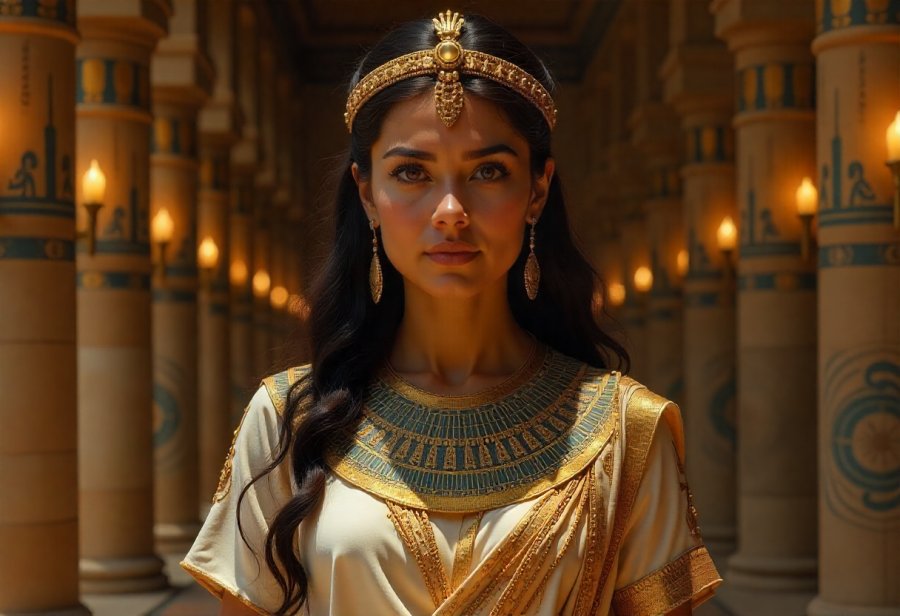
Mind over Matter: How Cleopatra’s Intelligence Shaped Her Reign and Legacy
Cleopatra’s intelligence was the foundation of her effective leadership in a world riddled with uncertainty. Her mastery of multiple languages—Egyptian, Greek, and Latin—gave her a distinct advantage in diplomacy. Being able to communicate directly with a wide array of allies, rivals, and foreign officials allowed her to craft subtle, nuanced messages that resonated across different cultures. This linguistic fluency wasn’t just a skill; it was a strategic tool that helped her navigate complex political waters with finesse.
Her education extended beyond language. Cleopatra immersed herself in philosophy, science, and the arts, transforming her from a traditional monarch into a scholar-queen. She understood that knowledge was power, and her broad learning helped her make informed decisions that shaped her reign. Her engagement with scholarly pursuits kept her connected to the intellectual currents of her time, reinforcing her image as a wise and enlightened ruler.
Cultural and religious understanding also played a crucial role in her strategic thinking. Cleopatra aligned herself with Egyptian gods like Isis to reinforce her divine authority, employing rituals and symbolism that resonated deeply with her people. She knew that religious legitimacy was vital for stability and loyalty, and her ability to embody divine symbolism made her a unifying figure amid external threats and internal strife.
Her strategic mind was further demonstrated in her diplomatic alliances. Recognizing that Egypt’s survival depended on powerful partnerships, she carefully cultivated relationships with Rome’s leading figures. Her alliance with Julius Caesar was a calculated move—securing military and political backing after internal family conflicts—and her partnership with Mark Antony showcased her skill in balancing persuasion and negotiation, all while preserving Egypt’s sovereignty. These alliances weren’t based on emotion but on shrewd calculations that maximized her influence.
Cleopatra’s talent for influence extended into her use of symbolism and propaganda. She employed titles, rituals, and imagery to project an image of divine authority, reinforcing her legitimacy both within Egypt and on the international stage. Her patronage of Alexandria’s library and scholarly community underscored her belief that education and knowledge were essential tools for leadership, elevating Egypt’s cultural prestige and her own stature.
Her legacy shows that true power lies in the mind—its capacity to think several steps ahead, influence perceptions, and adapt to shifting circumstances. Cleopatra’s ability to influence with insight, cultural awareness, and strategic resilience made her a formidable ruler whose impact endures. Her story reminds us that leadership rooted in intelligence and understanding can transcend time, inspiring generations to value the strength of the mind as the ultimate source of influence.
Legacy of Wisdom: Cleopatra’s Enduring Impact on Leadership, Gender Norms, and Culture
Cleopatra’s influence stretches far beyond her lifetime, reshaping perceptions of leadership and challenging gender norms of her era. She proved that intelligence, strategic thinking, and resilience could be more powerful than traditional displays of strength or superficial charm. Her ability to hold onto her throne amid relentless political and military threats demonstrated that leadership rooted in wisdom and adaptability can leave a lasting legacy. This enduring impact continues to inspire, especially women in leadership, by emphasizing that influence is built on competence and resilience, not just gender or appearance.
Throughout history, female rulers faced unique barriers—cultural biases and stereotypes often limited their authority. Cleopatra shattered those barriers, showing that mastery of diplomacy, symbolism, and cultural influence could surpass societal expectations. Her success served as a blueprint for future generations, illustrating that strategic intelligence and resilience could redefine leadership standards. Her example reminds us that influence rooted in knowledge and adaptability can inspire societal change and elevate women’s roles in politics and power structures.
Her diplomatic skill and strategic alliances left a permanent mark on international relations. The partnerships she cultivated with Julius Caesar and Mark Antony weren’t mere romantic stories—they were calculated moves designed to strengthen Egypt’s position. Cleopatra’s ability to navigate complex relationships, leverage her influence, and shape perceptions underscores that influence often depends on perception and negotiation. These lessons remain relevant today, demonstrating that building networks and understanding cultural nuances are vital to sustaining power and influence.
Supporting her political acumen was her patronage of Alexandria’s famed library and scholarly community. Cleopatra recognized that knowledge and education weren’t just symbols of enlightenment but strategic assets. Her active involvement in scientific, philosophical, and literary pursuits reinforced her image as a wise and forward-thinking ruler. This emphasis on learning elevated Egypt’s cultural prestige and underscored her belief that fostering intellectual growth was essential for maintaining influence and legitimacy—an idea still relevant for leaders today.
Her mastery of religious symbolism further cemented her authority. By aligning herself with gods like Isis and employing rituals, titles, and imagery that reinforced her divine right, Cleopatra created a leadership style deeply rooted in cultural and spiritual resonance. This approach strengthened her bond with her people, ensuring loyalty and stability in turbulent times. Her ability to intertwine spiritual authority with political power made her a symbol of divine legitimacy, influencing rulers and leaders for generations.
Cleopatra’s story underscores that true influence depends on the power of the mind—on strategic foresight, cultural mastery, and resilience. Her legacy demonstrates that perception, negotiation, and adaptability can transform daunting challenges into lasting achievements. Her intellectual and diplomatic strengths created a lasting impact, inspiring leaders to prioritize wisdom, cultural understanding, and resilience. Cleopatra’s example reminds us that lasting influence is cultivated through clarity of purpose and the relentless pursuit of knowledge—traits that continue to define effective leadership across the ages.
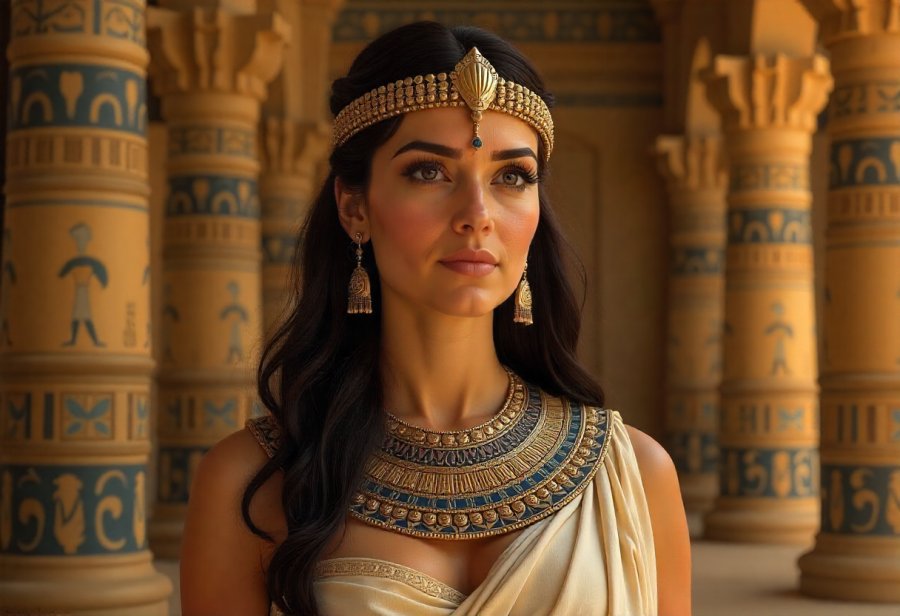
Reflecting on Cleopatra’s Genius: Lessons of Strategy, Resilience, and Influence
Cleopatra’s story leaves us with a powerful reminder: true leadership is rooted in the strength of the mind. Her ability to navigate a male-dominated world through intelligence, strategic thinking, and cultural mastery shows that influence endures beyond superficial appearances or force. She demonstrated that wisdom, adaptability, and a deep understanding of people and traditions are what sustain power and respect over time.
Her legacy challenges us to look beyond surface qualities and value the importance of cultivating mental agility and strategic insight. Cleopatra’s mastery of diplomacy, symbolism, and cultural influence highlights how influence is built through perception, negotiation, and resilience. These lessons remain relevant today, urging leaders to prioritize intelligence and cultural awareness as foundations for lasting impact.
Throughout her reign, Cleopatra proved that leadership isn’t limited by gender or societal expectations. Instead, it depends on the ability to think critically, act wisely, and forge meaningful alliances. Her resilience in the face of constant threats and her talent for turning complex challenges into opportunities underscore the importance of staying adaptable and resourceful. Her example encourages us to sharpen our capacity for strategic foresight and cultural understanding.
Her influence extended beyond politics, inspiring future generations of women leaders. Relying on her intelligence and diplomatic skill rather than external validation or traditional roles, Cleopatra set a powerful precedent. She showed that competence and resilience can challenge norms and redefine what it means to lead, especially for women seeking to make a mark in leadership roles.
Her mastery of symbolism and religious authority further strengthened her position. By aligning with gods like Isis and employing rituals and titles to reinforce her divine right, she created a leadership style deeply connected to cultural and spiritual resonance. This approach not only legitimated her rule but also fostered loyalty and stability, demonstrating how symbolism can be a potent tool for influence.
Looking back, Cleopatra’s legacy isn’t just about her political moves but about her ability to inspire trust through her intellect and charisma. She understood that influence flourishes when perception is shaped with purpose and authenticity. Her resilience and strategic mind turned formidable challenges into opportunities, leaving a lasting impact that continues to inspire.
Her life encourages us to value knowledge, resilience, and cultural insight as essential tools for leadership. It reminds us that lasting influence depends on the power of the mind—on shaping perceptions, making wise decisions, and adapting to change. Cleopatra’s example shows that true power isn’t just inherited or bestowed; it is cultivated through clarity of thought and purpose.
In the end, her story is a testament to the enduring strength of intelligence in leadership. Her legacy urges modern leaders to embrace the same qualities—wisdom, strategic foresight, and cultural mastery—that made her a legendary figure. By doing so, they can forge paths of influence that are resilient, meaningful, and timeless.