




What if the greatest obstacle to learning to swim isn’t water itself but the courage to take that first step? This inspiring guide dismantles the myth that swimming is only for the young or athletic, showing that anyone—regardless of age—can transform fear into confidence. Through patient, gradual methods, it emphasizes mental preparedness alongside physical skills, highlighting how small victories like floating or breathing steadily build trust in the water. The journey from nervous beginner to confident swimmer involves respecting limits, practicing consistently, and embracing different environments—from pools to open water—each step reinforcing independence and safety. Advances in technology and community programs are making learning more accessible, fostering a future where water confidence isn’t just a skill but a lifelong asset. Are you ready to turn hesitation into empowerment and unlock a new world of joy and security in water? The possibility is closer than you think.
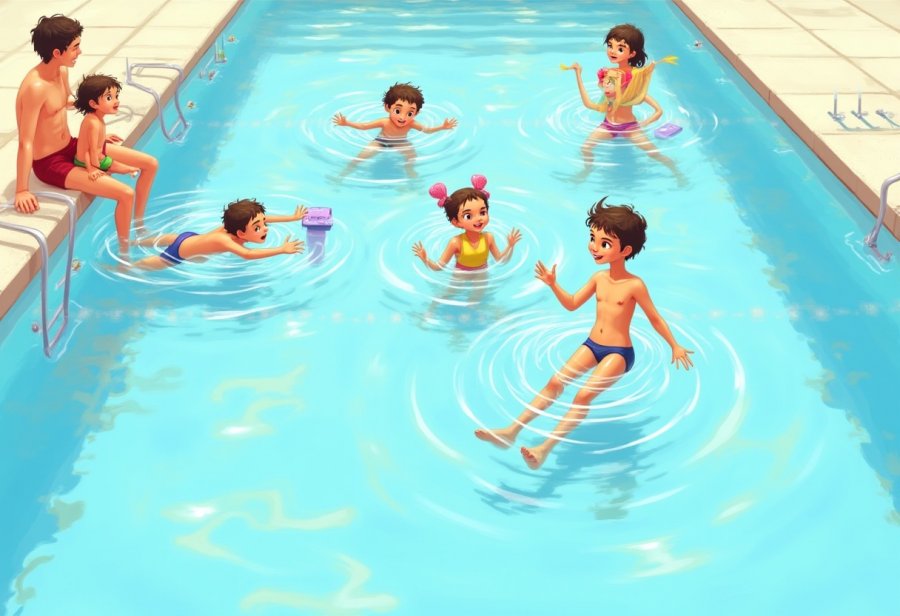
Transform Your Water Relationship at Any Age: Overcome Fears and Build Confidence
Learning to swim isn’t just a childhood milestone; it’s a skill that can reshape your relationship with water at any age. Many adults carry fears or doubts that make water seem intimidating or even frightening. But taking that first step into the pool can be surprisingly empowering, turning anxiety into confidence without the pressure to become a top athlete overnight. It’s about trusting your body and gradually dismantling mental barriers that have built up over years.
For many grown-ups, water can feel like an unknown, a place of risk rather than relaxation. Past negative experiences or unfamiliar surroundings often feed fears, creating a cycle of avoidance. The good news is that fear isn’t fixed. With patience, gentle exposure, and support, it’s possible to transform nervousness into a sense of calm and control. Starting small—sitting by the pool, splashing in shallow water—sets the foundation for a positive learning journey.
Learning to swim at any age is welcoming and accessible. You don’t need to be athletic or flexible—just willing to try. Whether your goal is safety, fitness, or simply enjoying water for leisure, each small step builds trust in your abilities. Over time, mastering basic skills like floating, breathing, and moving through water becomes a source of pride and independence.
A key part of this process is a mental shift—learning to stay calm, breathe steadily, and manage nervousness. These psychological skills are just as important as physical techniques. When anxiety creeps in, slow your breathing and focus on gentle, deliberate movements. Recognizing your progress, no matter how small, helps reinforce your confidence and keeps motivation high.
Everyone’s journey is unique, but patience remains essential. Progress might be slow, and setbacks are normal. Celebrating small victories—like floating or swimming a few strokes—can make a big difference in maintaining momentum. Respect your limits, take breaks when needed, and remember that consistency beats rushing. Each session, no matter how brief, adds up over time.
Water confidence isn’t just about skills; it’s about a mindset. By approaching water with curiosity and kindness toward yourself, you create a safe space for growth. This attitude transforms water from a source of fear into a realm of possibility, opening doors to new adventures and experiences that can enrich your life in unexpected ways.
Starting to learn to swim at any age is a personal journey—one that turns hesitation into empowerment. Every small effort contributes to a greater sense of safety, freedom, and joy in the water. No matter where you begin, each step forward brings you closer to a lifelong, rewarding relationship with water—one that’s built on confidence, resilience, and newfound enjoyment.
Master the Foundations: Essential Principles for Safe and Comfortable Swimming
Learning to swim goes beyond simply moving through water; it’s rooted in understanding some key principles that keep you safe and help you progress comfortably. First, water safety isn’t just about knowing rules—it’s a mindset. Recognizing your limits, staying alert, and using safety gear when necessary lay the groundwork for a confident swimming experience. Even in shallow pools, avoiding rushing or diving into unfamiliar waters is essential for building trust and comfort.
Building water confidence also hinges on psychological readiness. Staying calm, controlling your breathing, and managing anxiety are as important as mastering physical skills. When nerves surface, slow your breaths and focus on gentle, steady inhalations and exhalations. Small exposures—like sitting beside the pool or floating in shallow water—help reinforce your trust in your body and mind. Each step, no matter how minor, chips away at fear and nurtures confidence.
Progression in swimming follows a natural, step-by-step path. It begins with feeling comfortable in the water—getting used to its temperature, splashing around, and practicing breath control. Once at ease, floating and gliding become your next goals, providing stability and reassurance. From there, adding basic strokes like freestyle or backstroke becomes manageable, especially when broken into manageable segments. Patience is crucial; rushing only leads to frustration.
Respect for your limits and consistency in practice are your best allies. Regular, short sessions help your muscles remember the movements and build muscle memory, fostering confidence over time. Recognize that everyone learns at their own pace—small victories like floating solo or swimming a few strokes are milestones worth celebrating. Listening to your body and taking breaks prevents burnout and keeps the experience positive.
Finally, developing water confidence involves shifting your mindset. Replace anxiety with calmness, hesitation with trust. The more you understand and respect water’s nuances—currents, tides, temperature—the more adaptable and resilient you become. With patience and persistence, these foundational principles turn water from a source of fear into a place of safety and enjoyment, setting the stage for a lifelong relationship with swimming.
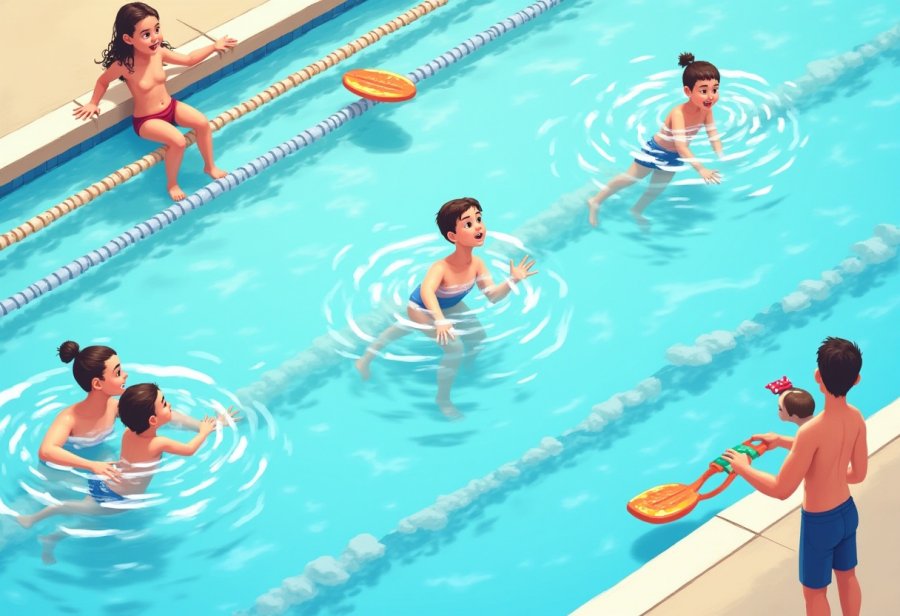
Practical Steps to Success: Effective Techniques and Mental Strategies for Learners
Learning to swim effectively combines simple exercises, mental techniques, and consistent practice to build confidence and ease in the water. Starting with breathing exercises, such as slow, deep inhales through the nose and gentle exhales through the mouth, helps calm nerves and establish control. Once comfortable with breathing, practicing floating and gliding in shallow water provides a sense of stability that makes learning more complex skills less intimidating. These foundational movements serve as the building blocks for more advanced strokes and techniques.
Breaking down the learning process into manageable steps keeps progress steady and prevents overwhelm. Focus first on mastering basic strokes like freestyle and backstroke in small segments, paying close attention to arm movements, body position, and breathing rhythm. Visualization can be a powerful tool—imagining yourself swimming smoothly can boost confidence during challenging moments and reinforce positive associations with water. Remember, small wins, such as floating independently or completing a few strokes, are signs of progress worth celebrating.
Support from instructors or fellow learners plays a crucial role in maintaining motivation and refining technique. Constructive feedback helps you adjust your movements, while encouragement fosters perseverance. Regular, even brief, daily practice helps reinforce muscle memory and familiarizes your body with water’s sensations, making each session more comfortable. Patience is key; rushing often leads to frustration, whereas consistent effort at your own pace builds a solid foundation over time.
Incorporating water safety into your routine nurtures trust and reduces anxiety. Always practice in shallow areas where you can stand comfortably, and use safety aids like kickboards or floatation devices if needed. These tools provide reassurance and allow you to focus on mastering specific skills without feeling overwhelmed. As confidence grows, gradually reduce reliance on safety gear to promote independence. Listening to your body and taking breaks when needed ensures that your learning remains positive and sustainable.
Mental preparation is just as important as physical practice. Techniques such as controlled breathing, positive self-talk, and visualization calm nerves and reinforce your progress. When anxiety arises, pause, breathe deeply, and remind yourself of how far you’ve come. Focus on your small victories—floating, breathing, or swimming short distances—to strengthen trust in your abilities. Over time, these mental strategies help transform water from a source of fear into a space of confidence and enjoyment.
With patience, persistence, and a strategic approach, learning to swim becomes a rewarding journey. Each effort, no matter how small, adds to your sense of safety and independence. By steadily building skills and confidence, you turn water from a place of apprehension into a realm of possibility—opening doors to new adventures, relaxation, and lifelong safety in the water.
From Pool to Open Water: Applying Confidence Strategies in Real-World Settings
Once you’ve built a solid foundation of water confidence and learned key techniques, the next step is to put those skills into real-world settings. Moving from the controlled environment of a pool to outdoor waters like lakes, rivers, or open beaches helps deepen your comfort and readiness. Start in safe, supervised locations where you can experiment without feeling overwhelmed. Familiarize yourself with the specific safety rules for each environment—currents, tides, and potential hazards—so you can stay safe while expanding your experience.
Gradually incorporate your breathing techniques, floating, and basic strokes into these outdoor settings. Begin in shallow areas where you can stand comfortably, then venture into deeper water as your confidence grows. This exposure reinforces your skills across different conditions, making them more instinctive and reliable. The more you practice in varied environments, the more your water confidence becomes second nature, transforming initial training into lifelong skills you can rely on anywhere.
Different water conditions—waves, ripples, or changing temperatures—can initially feel intimidating. Approaching these challenges gradually helps develop resilience. Use familiar tools like floatation devices or kickboards in these settings to provide reassurance as you explore new depths. Over time, aim to reduce reliance on safety gear, fostering independence and trust in your abilities. The goal is to transition from dependence on equipment to feeling confident and self-reliant in any water environment.
Listening to your body remains crucial. If fatigue or uncertainty set in, take a break or return to shallower water. Rushing through these experiences can cause frustration, while steady, deliberate practice builds resilience without stress. Exposure to different water types and conditions helps solidify your skills and adapt your techniques, making swimming a versatile and safe activity. Each outdoor session strengthens your confidence and prepares you for unexpected situations.
Sharing your progress with friends, family, or fellow learners can boost motivation and create a supportive environment. Celebrating small successes—like swimming in a new setting or mastering a stroke outside the pool—reinforces your belief in your abilities. These shared moments of achievement remind you that water confidence isn’t a fixed destination but a continuous journey of growth. Every outing outside the pool cements your skills and expands your comfort zone.
Applying your skills in real-world settings transforms water from a source of fear into a space of enjoyment and security. It’s about gradually embracing different environments, respecting your limits, and practicing intentionally. With patience and persistence, these experiences become second nature, making water a safe, enjoyable part of your life regardless of where you are. Consistent practice in diverse settings ensures your water skills remain reliable, empowering you to handle any water situation with calm and confidence.
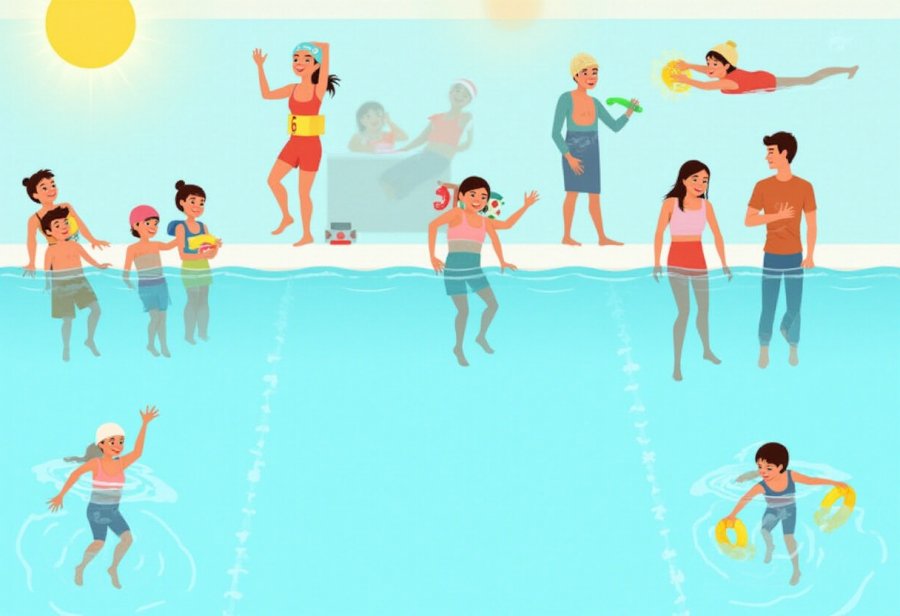
Looking Ahead: Innovative Trends and Opportunities in Adult Swimming Education
As awareness of water safety and confidence grows, the future of adult swimming education looks promising. Advances in technology, such as online courses, virtual coaching, and community-based programs, are making learning more accessible and customizable. These tools allow learners to progress at their own pace, fitting practice into busy schedules and overcoming traditional barriers. Innovations like smart life vests and wearable monitors provide real-time feedback, boosting confidence and safety while making water activities more inviting.
The mental health benefits of swimming are increasingly recognized, encouraging adults to see water as a space for relaxation, stress relief, and emotional well-being. Swimming offers mindfulness, physical activity, and a sense of achievement—all of which contribute to a holistic approach to health. This shift helps reduce the stigma around learning as an adult, emphasizing that it’s never too late to start and enjoy the lifelong benefits of water mastery.
Personalized instruction and community support are becoming more common, with programs tailored to individual needs and concerns. Small group classes, one-on-one coaching, and online platforms help make learning feel achievable and encouraging. Sharing success stories and milestones further inspire others, creating a ripple effect of confidence-building that demonstrates everyone’s journey is unique but equally rewarding.
Barriers like cost, access, and fear are gradually diminishing through outreach efforts, mobile programs, and digital resources. These initiatives aim to reach underserved populations, ensuring that everyone has the opportunity to learn and benefit from water safety skills. Making swimming accessible fosters not only safety but also a sense of empowerment and community among adult learners, reinforcing the idea that water confidence is a lifelong asset.
The ongoing evolution of adult swimming education promises a future where mastering water is a universal goal. Each small step builds resilience and opens new possibilities for fun, safety, and personal growth. With continued innovation and a focus on inclusivity, more people will discover the joy and security that come with water confidence. Learning to swim as an adult is more than acquiring a skill—it’s a transformative experience that turns fear into freedom and enriches lives in ways many never imagined.