




Mastering the art of calm dog walking isn’t just about obedience—it’s about cultivating trust, patience, and a deep bond between owner and pet. This guide reveals how gentle guidance, positive reinforcement, and understanding dog behavior transform routine walks into peaceful, shared experiences. But how do you turn distractions and external triggers into opportunities for growth? The secret lies in recognizing subtle cues, choosing the right equipment, and practicing consistent, stress-free routines. With strategic planning, mindful training, and patience, every walk becomes a moment of connection rather than chaos. Are you prepared to shift from control through dominance to trust-based guidance, unlocking a mutual harmony that makes every outing a joyful adventure? Discover how to create a safe, confident environment that fosters resilience and focus, turning everyday walks into bonding rituals rooted in respect and tranquility. This approach promises a lifelong partnership built on calmness and mutual understanding.
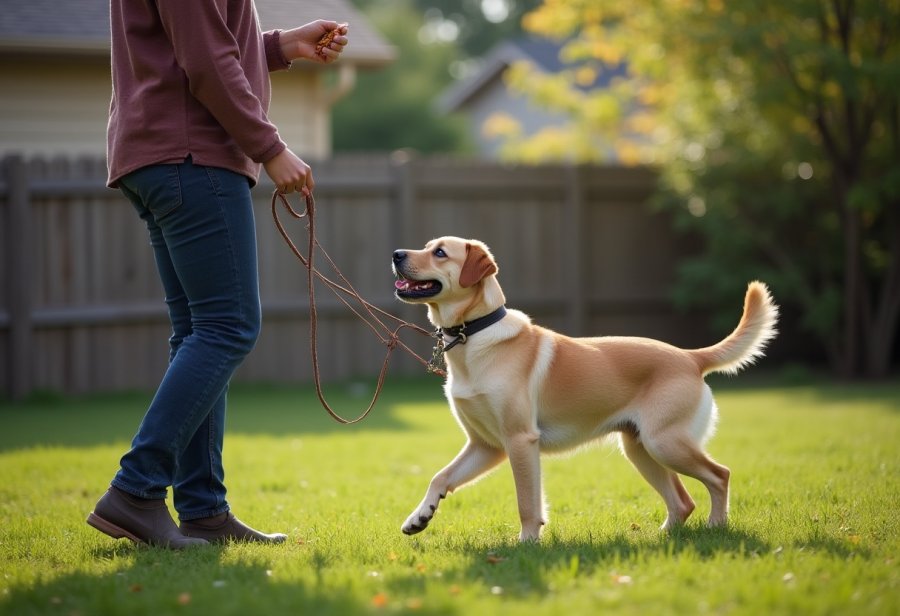
Deepen Your Bond with Calm Dog Walking
A calm walk with your dog is about more than just getting from point A to B—it’s a chance to deepen your connection and build mutual trust. When your dog learns to walk beside you without pulling, it turns a routine outing into a moment of harmony. This relaxed approach not only makes walks more enjoyable but also reduces stress for both of you. Instead of chaos, you gain a shared experience filled with understanding and patience.
Creating this peaceful walking routine starts with understanding that calmness comes from clear communication. Your dog needs to feel confident and secure in your leadership, which is developed through consistent cues and gentle guidance. When your dog is relaxed, they’re more attentive and eager to follow your lead, transforming walks into opportunities for trust and cooperation rather than tension.
A calm walk also benefits your dog’s overall behavior outside the home. A dog that is focused and comfortable during walks is less likely to be overwhelmed or reactive in busy environments. Instead of reacting to external stimuli, they learn to stay composed, making visits to parks, streets, or crowded areas smoother and more enjoyable for everyone involved.
This foundation of calmness fosters a stronger bond. As you practice patience and positive reinforcement, your dog begins to associate walks with safety and fun. Over time, this routine becomes second nature, helping your dog feel secure enough to focus on you rather than distractions, turning everyday walks into peaceful shared experiences rooted in trust.
Achieving this isn’t about quick fixes, but about developing consistent habits of gentle guidance and encouragement. Every walk becomes an opportunity to reinforce trust, improve focus, and enjoy each other’s company. When calmness and connection take center stage, you set the stage for a lifelong partnership built on mutual respect and joy.
Master the Basics of Calm Dog Walking for Lasting Success
Understanding dog behavior is fundamental to establishing a calm walking routine. Dogs communicate largely through body language—tight muscles, stiff posture, or raised hackles often signal stress or anxiety, while wagging tails and relaxed stance show comfort. Recognizing these cues allows you to adjust your approach instantly, preventing small issues from escalating. If your dog looks overwhelmed, taking a step back or choosing a quieter route can foster trust and make training more effective.
Knowing key terminology also plays a vital role. Commands like “heel” define the precise position your dog should maintain beside you, helping them stay attentive and calm. Reinforcing these cues with positive rewards—treats, praise, or gentle petting—encourages your dog to repeat good behavior. When your dog understands what’s expected, they feel more secure, naturally promoting a relaxed attitude during walks. This shared language deepens your bond, built on understanding rather than dominance.
Training methods have shifted away from harsh corrections toward trust-based techniques. Instead of punishment, focus on gentle guidance and rewarding calm behavior. This approach fosters confidence and reduces fear or reactivity that can hinder peaceful walking. Recognizing this evolution helps you adopt humane practices that strengthen your relationship and make training more enjoyable.
External factors—like loud noises, other dogs, or distractions—can challenge your dog’s focus. Breed tendencies and individual temperament influence their reactions, so tailoring your approach is essential. Being aware of these influences allows you to adapt your training, making walks smoother and less stressful. Consistently observing your dog’s body language helps you intervene early, turning potential disruptions into opportunities for learning.
Building a calm walk begins with small, consistent steps. Practice in familiar, quiet places before gradually introducing more distractions. Short sessions—around five to ten minutes—prevent frustration and keep your dog engaged. Over time, these efforts accumulate, laying a foundation of trust and focus that turns walks into peaceful, shared experiences. Patience and kindness remain your best tools throughout.
Remember, setbacks are normal. Every walk is a new chance to reinforce good habits, celebrate progress, and adjust your methods as needed. Maintaining patience and consistency creates routines your dog can rely on, transforming daily outings into moments of connection rather than tension. With time, calmness during walks becomes natural—an ongoing expression of trust and mutual respect.
Key Strategies to Foster Peaceful Leash Behavior
Building trust is at the core of calm dog walking. When your dog feels confident in your leadership, they’re more likely to relax rather than become tense or distracted. Consistent routines, gentle guidance, and positive reinforcement all reinforce this trust. Reward your dog whenever they stay calm and focused, helping them associate your leadership with comfort and security. Rushing or harsh corrections only create confusion or anxiety, so practicing patience and gentle persistence is key. Over time, your dog learns to see you as a reliable source of guidance, making calming down during walks much easier.
Mastering the “heel” command is another essential strategy. Start in low-distraction environments and teach your dog to walk beside you with a loose leash, immediately rewarding good behavior. Use treats and praise to reinforce this position, then gradually introduce distractions or busier settings. Consistency with cues and rewards helps your dog understand what’s expected, turning “heel” into a relaxed, natural routine that keeps them focused on you and less prone to pulling or distraction.
Your demeanor during walks influences your dog more than you might realize. Staying calm, patient, and relaxed sets a peaceful tone that your dog will mirror. Dogs pick up on tension and energy, so moving slowly, speaking softly, and taking deep breaths communicate that everything’s okay. When you exude calmness, your dog feels more secure, making them more willing to follow your lead and turn walks into bonding moments rather than battles of will.
Managing distractions is vital for peaceful outings. Practice in quiet spots first, then gradually introduce more stimuli, rewarding your dog for calm, attentive responses. If they get distracted, redirect their attention with cues or treats, reinforcing that your connection is more rewarding than the environment. This approach helps build resilience and keeps your dog composed, even amid external chaos.
Patience plays a crucial role. Setbacks are normal, especially when facing new environments or challenges. Keep training sessions short and positive, celebrating small wins like your dog staying focused longer. Rushing progress can backfire—steadiness and kindness foster confidence, leading to calmer, more controlled walks over time.
Approach your training with kindness and respect. Focus on rewarding calm, attentive behaviors rather than punishing mistakes. This nurtures a trusting relationship where your dog feels eager to cooperate and confident in their skills. As routines become ingrained, walks will transform into peaceful, shared experiences rooted in mutual understanding, strengthening your bond and making every outing more enjoyable.
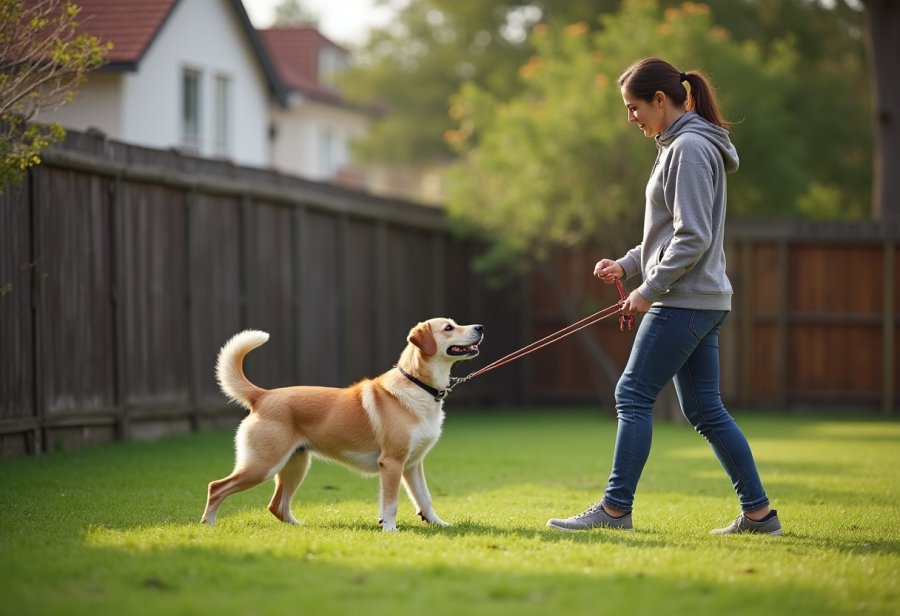
Applying Calm Walking Techniques in Daily Life
To put your calm walking techniques into daily practice, start each outing with a clear plan. Decide whether you’ll focus on the “heel” command, maintaining a loose leash, or managing distractions. Having treats or a clicker ready allows you to reward your dog immediately for good behavior, reinforcing focus and calmness from the outset. Keep your tone relaxed and confident—your dog will pick up on your energy, so a calm attitude sets the right mood right away.
As you walk, if your dog pulls or gets distracted, pause briefly. Gently call them back to your side using your chosen cue, like “heel,” and reward when they respond correctly. Sometimes, stopping and waiting for your dog to refocus teaches them that calm attention earns rewards. Consistently repeating this pattern transforms moments of distraction into learning opportunities, gradually reducing pulling and impulsive reactions.
Start in familiar, quiet environments to help your dog stay attentive without feeling overwhelmed. Once they respond reliably, gradually introduce busier streets or parks to reinforce their ability to remain calm amid external stimuli. Keep training sessions short—around five to ten minutes—and always finish on a positive note, so your dog associates walks with success rather than frustration.
Using tools like a well-fitted harness or head collar can make guiding your dog easier and more comfortable. These devices help redirect attention gently and support calm guidance without discomfort. Pairing them with your cues and rewards creates a smoother training process, encouraging your dog to focus more on you and less on distractions.
Throughout each walk, praise and treats are your best allies. Celebrate small wins, such as your dog walking without pulling or ignoring a distraction. If setbacks occur, stay patient and adjust your approach as needed. Consistency and kindness turn these routines into habits, making calm, focused walks a natural part of your shared routine.
Every walk is an opportunity to reinforce your training. With steady effort and a positive attitude, your dog will learn to stay relaxed and attentive. Over time, these practical steps deepen trust, improve focus, and transform everyday outings into peaceful, bonding moments that strengthen your relationship.
Smart Planning and Budgeting for Effective Training Resources
Planning for calm dog walks involves thoughtful investment in tools, resources, and sometimes professional support. Choosing quality equipment like harnesses or head collars can significantly improve control and comfort during walks, especially for dogs that tend to pull or become easily distracted. While these items might seem like a small expense upfront, they often save money in the long run by preventing issues that could escalate into costly behavioral problems or injuries.
If your dog faces specific challenges, working with a professional trainer or behaviorist can be a worthwhile investment. While private sessions may seem costly, group classes or online consultations are often more affordable options that still deliver effective guidance. Allocating a budget for ongoing resources—such as training books, online courses, or apps—keeps you motivated and consistent, making progress more tangible and sustainable.
It’s wise to plan for unexpected expenses as well. Your dog might need specialized gear or you might decide to attend a workshop or seminar. Having a small emergency fund ensures you won’t have to compromise your training goals when surprises arise. This flexibility helps maintain steady progress without financial stress, reinforcing your commitment to calm, focused walks.
Community resources can stretch your budget further. Many local shelters, pet stores, or community centers offer low-cost training classes or workshops that focus on leash manners and calming techniques. These programs provide valuable socialization opportunities and practical skills, all while helping you keep costs manageable. Taking advantage of such resources keeps your approach realistic and accessible.
Avoid the trap of overspending on every new gadget or high-end gear. Focus instead on essential, well-made tools that support positive training—such as quality harnesses, clickers, and treats—rather than chasing every trending product. Consistency and patience are the real investments that lead to lasting progress, not the latest equipment.
Being strategic about your resources and budget makes it easier to stick with your training routine. When your investments align with your goals, your efforts become more effective and less frustrating. This thoughtful approach fosters trust and confidence in both you and your dog, ensuring that peaceful, confident walks remain a regular, rewarding part of your shared life.
Step-by-Step Guide to Executing Calm Dog Walk Training
To effectively put your calm dog walking routines into daily practice, start each session with a clear plan. Decide whether you’ll focus on the “heel” command, maintaining a loose leash, or managing distractions. Having treats or a clicker ready ensures you can immediately reward your dog for good behavior, reinforcing focus and calmness from the outset. Keep your tone relaxed and confident—your dog will pick up on your energy, so a calm attitude sets the right mood right away.
During the walk, if your dog pulls or becomes distracted, pause briefly. Gently call them back to your side using your chosen cue, like “heel,” and reward when they respond correctly. Sometimes, stopping and waiting for your dog to refocus teaches them that calm attention earns rewards. Repeating this pattern consistently helps turn moments of distraction into learning opportunities, gradually reducing pulling and impulsive reactions.
Start in familiar, quiet environments to help your dog stay attentive without feeling overwhelmed. As they respond reliably, slowly introduce busier streets or parks to reinforce their ability to remain calm amid external stimuli. Keep training sessions short—around five to ten minutes—and always finish on a positive note, so your dog associates walks with success rather than frustration.
Using tools like a well-fitted harness or head collar can make guiding your dog easier and more comfortable. These devices help redirect attention gently and support calm guidance without discomfort. Pairing them with your cues and rewards creates a smoother training process, encouraging your dog to focus more on you and less on distractions.
Throughout each walk, praise and treats are your best allies. Celebrate small wins, such as your dog walking without pulling or ignoring a distraction. If setbacks occur, stay patient and adjust your approach as needed. Consistency and kindness transform these routines into habits, making calm, focused walks a natural part of your shared life.
Every walk offers a new chance to reinforce your training. With steady effort and a positive attitude, your dog will learn to stay relaxed and attentive. Over time, these practical steps deepen trust, improve focus, and turn everyday outings into peaceful, bonding moments that strengthen your relationship.
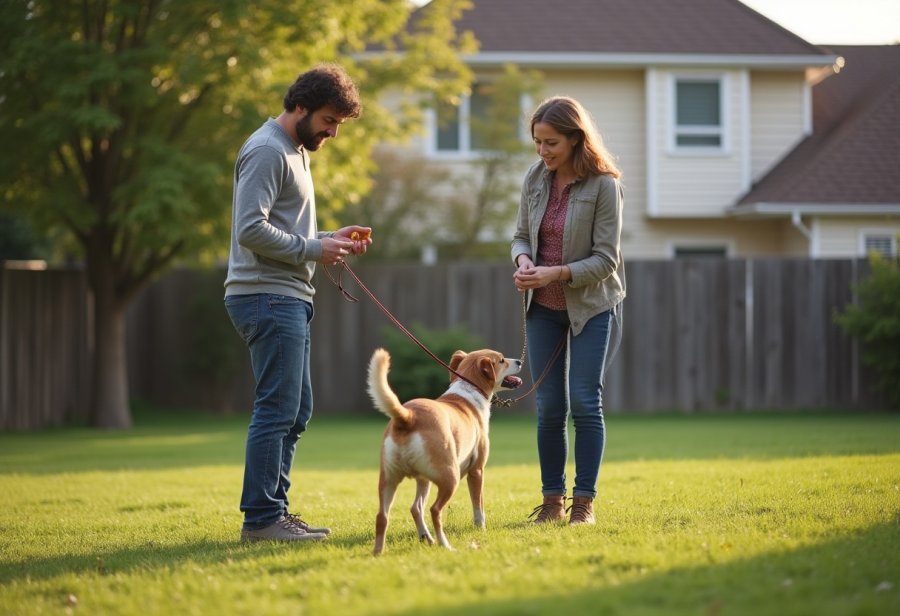
Proactive Risk Management for Safe and Peaceful Walks
Managing risks during dog walks is essential to keeping both your dog safe and the experience enjoyable. Being aware of potential hazards like busy streets, other animals, or environmental dangers allows you to stay proactive rather than reactive. Using quality equipment such as harnesses or head collars provides better control, especially if your dog tends to pull or become distracted. These tools help redirect focus gently, reducing the risk of escapes or injuries.
Training your dog to respond reliably to commands like “stop,” “come,” or “leave it” is crucial when surprises happen. Clear cues enable quick control if your dog reacts unexpectedly or encounters something startling. Planning your route in advance to avoid high-traffic areas or known hazards can prevent many issues before they start. Paying close attention to your dog’s body language helps you spot signs of stress or overexcitement early, giving you a chance to intervene calmly.
When unforeseen situations arise, like your dog lunging at another animal or showing signs of anxiety, your calm, quick response makes a big difference. Stopping immediately, calling your dog back with a firm cue, and rewarding their focus reinforce good behavior. If reactive tendencies persist, removing your dog from the environment and consulting a professional trainer can address underlying issues effectively.
Staying prepared and attentive creates a safer environment that encourages calm and focus. When your dog feels secure and understands what to expect, they’re more likely to stay relaxed and attentive, even amid distractions. This sense of safety builds confidence, making each walk an opportunity to reinforce trust and resilience.
A little planning goes a long way—knowing your surroundings, managing external stimuli, and practicing your cues help your dog develop better coping skills. As they learn to navigate challenges calmly, walks become more peaceful and bonding, rather than stressful. Consistency and a confident approach turn potential risks into opportunities for growth, trust, and a stronger partnership.