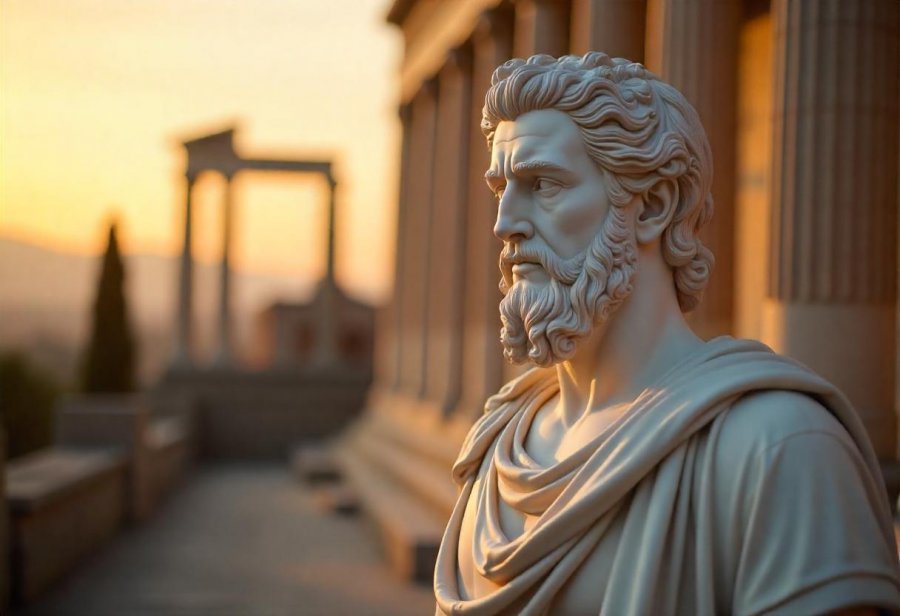




Discover the legendary life of Alexander the Great—a young king whose military brilliance and visionary ambitions radically transformed the ancient world. From his early education under Aristotle to his swift rise after his father’s assassination, Alexander’s leadership was marked by daring campaigns across Greece, Persia, and India, driven by a relentless desire for conquest and cultural fusion. His groundbreaking tactics toppled empires and created a vast empire that blended Greek and Eastern traditions, fostering innovation and tolerance. Yet, his relentless pursuit of greatness came at a cost—bloodshed, overextension, and the eventual fragmentation of his empire after his death. How did his vision of a united, culturally interconnected world influence future civilizations? His cities, like Alexandria, became centers of learning and exchange, leaving a legacy that still shapes our understanding of power, cultural integration, and progress. Alexander’s story challenges us to consider the true price—and potential—of ambitious leadership.
Alexander the Great’s Legendary Life and Lasting Legacy
Alexander the Great’s life reads like a legend—an extraordinary story of a young king whose military brilliance and bold vision transformed the ancient world. Born in 356 BCE in Macedon, he was destined for greatness from the start, shaped by a rigorous education and a sense of divine purpose. His campaigns stretched across continents, from Greece and Egypt to Persia and India, creating an empire that not only expanded territory but also fostered cultural exchange and innovation. His approach to conquest was revolutionary, blending tactical genius with daring leadership that often outflanked larger armies.
His rise to power was fueled by a backdrop of shifting political alliances and long-standing rivalries. His father, Philip II, had already unified much of Greece under Macedonian rule, setting the stage for Alexander’s ambitions. From a young age, Alexander showed remarkable intelligence, charisma, and a hunger for leadership. His education under Aristotle provided him with a deep appreciation for philosophy, science, and strategy—tools he would later use to outthink and outmaneuver his enemies.
Early on, Alexander demonstrated extraordinary maturity, quelling rebellions, founding cities, and earning a reputation as a capable and daring ruler even before inheriting the throne. When Philip II was assassinated in 336 BCE, at just 20, Alexander swiftly consolidated power. Despite his youth, he moved quickly to secure loyalty from his generals and subdued opposition, establishing himself as the leader of a united Macedonian kingdom.
In 334 BCE, at only 22, Alexander launched his campaign against Persia, the most powerful empire of the time. His military strategy combined speed, surprise, and terrain mastery, enabling him to score quick victories at Granicus, Issus, and Gaugamela. These battles shattered Persian resistance and toppled Darius III’s empire, cementing Alexander’s reputation as an unstoppable conquering force. Yet his ambitions went beyond mere conquest; he aimed to unite East and West through cultural fusion.
Alexander’s vision extended into the integration of diverse peoples. He founded cities like Alexandria, blending Greek and local traditions, encouraged intermarriage, and adopted customs from the cultures he encountered. This strategy of cultural fusion, or Hellenization, was designed to create a resilient empire rooted in shared ideas and practices. His eastern campaigns pushed into India, where he demonstrated tactical brilliance and faced the limits of his reach—his exhausted troops refused to march further east, forcing him to turn back.
Despite his early death at just 32 in Babylon, Alexander’s legacy endured. His empire fractured, but the cities he founded and the cultural exchange he promoted continued to influence civilizations long after his death. His vision of a world united through shared culture and innovation laid the groundwork for the Hellenistic age—a period of art, science, and ideas that shaped the future. Alexander’s story is not just about conquest; it’s about the power of bold ideas, strategic genius, and the lasting influence of cultural fusion.
Foundations of Power: The World That Shaped Alexander
Alexander’s rise took place in a world marked by constant upheaval and shifting power dynamics. The Greek city-states, once fractured by rivalry and internal conflict, gradually found common ground under Macedonian leadership, setting the stage for a new era of expansion. Meanwhile, the Persian Empire, vast and formidable, stretched from Egypt to India, representing both an ongoing threat and a tempting target for conquest. The political landscape was a complex web of regional alliances and rivalries, creating an environment ripe for bold ambitions.
Born in 356 BCE in Pella, Macedonia’s capital, Alexander inherited a kingdom already on the rise. His father, Philip II, had transformed Macedonia into a disciplined military state and expanded influence across Greece, laying the groundwork for future conquests. His mother, Olympias, was a fierce and ambitious woman who played a key role in shaping his sense of divine destiny. She believed her son was descended from gods, fueling his confidence and sense of purpose from an early age.
Alexander’s education under Aristotle provided him with a broad intellectual foundation, covering philosophy, science, medicine, and leadership. This training shaped his worldview and decision-making, influencing his policies and approach to governance. From a young age, he displayed remarkable intelligence and charisma, often taking charge during his father’s military campaigns—quelling rebellions, founding cities, and earning a reputation as a daring and capable leader even before inheriting the throne.
When Philip II was assassinated in 336 BCE, Alexander was just 20 years old. Despite his youth, he moved swiftly to consolidate power, quickly quelling opposition and securing loyalty among Macedonian and Greek elites. His rapid ascent was marked by a decisive display of leadership, setting him on a path toward fulfilling his father’s vision of conquest. His immediate focus was on Persia, the dominant empire of the time, which he aimed to challenge and topple.
In 334 BCE, at only 22, Alexander launched his campaign into Asia Minor. His military strategy combined speed, surprise, and terrain mastery, allowing him to score quick victories at the Battle of Granicus and beyond. His innovative tactics and fearless leadership shattered Persian resistance and marked the beginning of a series of triumphs that would reshape the ancient world. These campaigns not only expanded his empire but also set the stage for a new era of cultural exchange and integration.
Legacy of Influence: Modern Impacts of Alexander’s Conquests
Today, the impact of Alexander the Great continues to shape our world in subtle and profound ways. The cities he established, especially Alexandria in Egypt, grew into legendary centers of learning, culture, and commerce. These urban hubs weren’t just military outposts; they became vibrant crossroads where ideas, art, and science mingled, laying the foundation for the Hellenistic era’s intellectual flowering. The cultural fusion promoted during his reign created a legacy that still influences modern notions of multiculturalism and cross-cultural exchange.
His military tactics remain a staple of strategic studies worldwide. Leaders and strategists examine how he used terrain, surprise, and rapid maneuvering to outsmart larger armies. His leadership style—combining daring innovation with inspiring loyalty—set new standards that continue to inform modern military training. The lessons from his campaigns emphasize adaptability, boldness, and meticulous planning, principles that resonate in today’s defense and leadership circles.
While the empire itself fragmented shortly after his death, the cultural and intellectual currents he ignited endured. Greek language, art, and governance styles spread across the territories he conquered, shaping societies for centuries. The cities he founded, especially Alexandria, became hubs of knowledge, housing the renowned Library of Alexandria, which drew scholars from across the ancient world. This exchange of ideas sparked advances in astronomy, medicine, and philosophy, influencing future civilizations and scientific progress.
Alexander’s influence also extended into everyday life. His campaigns facilitated trade routes that connected East and West, enabling merchants, artisans, and travelers to exchange goods and ideas more freely. Markets in cities like Alexandria thrived, becoming melting pots of diverse cultures where Greek traditions blended with Egyptian, Persian, and Indian influences. These exchanges fostered social tolerance and innovation, enriching communities and shaping cultural identities.
Despite the upheavals, his vision of unity through shared culture and knowledge persisted. The blending of traditions and practices laid the groundwork for more inclusive and interconnected societies. This legacy of integration helped foster progress in arts, sciences, and governance, echoing through history into the modern era. The enduring influence of cultural fusion and intellectual exchange remains a testament to his broader aspirations beyond mere conquest.
Ongoing archaeological discoveries continue to unveil new facets of Alexander’s empire and its influence. Artifacts and sites reveal a rich tapestry of architecture, urban planning, and cross-cultural interaction, deepening our understanding of his legacy. His story endures not only through academic study but also in popular culture—from literature and film to art—keeping his memory alive and relevant.
In essence, Alexander’s legacy is a powerful reminder of how bold leadership and cultural openness can shape history. His empire may have fallen apart, but the ideas, innovations, and connections he fostered continue to influence our world today. His life exemplifies the potential of visionaries to forge lasting change, reminding us that true greatness often lies in the ability to unite diverse worlds in the pursuit of progress.
Economic Triumphs and Challenges of Empire Building
Alexander’s campaigns demanded extraordinary resources, both in manpower and finances, making his empire-building effort one of history’s most ambitious endeavors. Moving armies across diverse terrains—from the rugged mountains of Greece to the scorching deserts of Persia and the dense jungles of India—required meticulous logistical planning. Supplying thousands of soldiers, horses, and equipment over vast distances stretched the limits of ancient supply chains, often necessitating the creation of depots and innovative transportation methods. Maintaining discipline and cohesion among his troops while ensuring they had enough provisions and weapons was a constant challenge that placed significant strain on Macedonian resources.
The costs extended far beyond troop supplies. Funding a professional army equipped with advanced weaponry, establishing naval forces, and building strategic cities involved substantial expenditure. Outfitting soldiers, supporting infrastructure, and maintaining garrisons drained the Macedonian treasury. Yet, these investments often paid dividends through control of vital trade routes and key urban centers, which provided long-term economic benefits. Conquering territories into economic hubs helped facilitate trade, resource flow, and regional prosperity, turning initial costs into sustainable gains.
Founding cities like Alexandria was another strategic move that carried high costs but offered lasting returns. These urban centers served as military strongholds, trading ports, and cultural melting pots. Building infrastructure, settling populations, and supporting local governance required ongoing expenditure, but their role in stabilizing and integrating new regions justified the investment. Over time, these cities became engines of wealth and innovation, attracting merchants, scholars, and artists, and fostering economic growth that strengthened Alexander’s empire.
The economic advantages of his conquests went well beyond immediate territorial gains. By opening new trade routes between East and West, Alexander created channels for goods, technologies, and ideas to circulate more freely. This exchange boosted regional economies and laid the groundwork for continued prosperity during the Hellenistic period. While the upfront costs were immense, the long-term benefits—enhanced commerce, cultural exchange, and technological progress—far outweighed the initial expenditures.
However, the financial and human costs were not without risks. Prolonged warfare exhausted Macedonian resources and manpower, threatening the stability of the empire. Unexpected setbacks, difficult terrains, and fierce resistance could have jeopardized the entire campaign. Alexander’s ability to balance immediate military needs with strategic planning was crucial in preventing overextension and ensuring that the costs did not outweigh the benefits.
Supporting governance and cultural integration across such a vast and diverse empire demanded ongoing investment. Establishing administrative centers, promoting Hellenization, and supporting local populations required continuous expenditure. These efforts aimed to create a stable, loyal empire but added a significant financial burden. Despite these costs, Alexander’s strategic resource management helped cement his legacy as a master empire-builder, demonstrating that bold investments, when managed wisely, could produce enduring influence and prosperity.
Transforming Societies: The Practical Impact of Conquest and Culture
Alexander’s conquests didn’t just redraw maps; they transformed everyday life across the regions he touched. His campaigns opened new trade routes that connected East and West, making it easier for merchants, artisans, and travelers to exchange goods and ideas. Markets in cities like Alexandria flourished as bustling hubs of commerce, attracting diverse traders and fostering economic vitality. These urban centers became melting pots of culture, where Greek art, Egyptian traditions, Persian customs, and Indian influences blended seamlessly to create vibrant, dynamic communities.
His policies of cultural fusion—encouraging intermarriage, adopting local dress, and respecting religious practices—had a direct impact on daily routines. Communities began sharing festivals, beliefs, and customs, gradually building more tolerant and interconnected societies. Greek language and art spread widely, inspiring new styles that incorporated elements from multiple traditions. This blending of cultures fostered a sense of shared identity that persisted long after Alexander’s empire fragmented, shaping the social fabric of the ancient world.
Cities like Alexandria exemplify this legacy. More than military outposts, they became centers of learning and innovation. The Great Library of Alexandria symbolized the pursuit of knowledge, drawing scholars from across regions. Advances in astronomy, medicine, and mathematics emerged from this cross-pollination of Greek and Eastern ideas, influencing future generations and scientific progress for centuries. These centers of learning helped elevate everyday life, making cities more livable and economies more resilient.
Trade and technological exchange also accelerated under Alexander’s influence. New tools, medical techniques, and engineering innovations spread across the empire, improving health, infrastructure, and productivity in local communities. The increased flow of goods and ideas enriched daily routines and fostered social progress. While conquest often brought upheaval, it also created opportunities for societies to evolve, adapt, and thrive in an interconnected world.
Resistance and social tensions did arise, reflecting the complex legacy of conquest. Traditional societies sometimes faced upheaval as new customs and rulers challenged established norms. Yet, the overall pattern was one of cultural integration and exchange. Alexander’s campaigns laid the groundwork for a more diverse, tolerant society—one that valued knowledge, innovation, and shared progress. This enduring legacy of cultural fusion continues to influence how societies develop and interact today.
In the long run, Alexander’s vision of blending traditions and fostering trade created a more interconnected and resilient world. His campaigns sparked innovations that improved everyday life and inspired future societies to embrace diversity and knowledge. The transformations he initiated went beyond military victories—they helped shape a legacy of openness, progress, and cross-cultural understanding that still echoes in our globalized world today.