



Step into the world of backyard mechanics, where passion transforms old machines into works of art through patience, skill, and resourcefulness. This sanctuary of craftsmanship reveals secrets behind restoring vintage vehicles — from sourcing rare parts to employing inventive techniques that honor history and authenticity. As each bolt tightens and every surface shines, a deeper connection to mechanical artistry emerges, turning labor into legacy. But what hidden lessons lie beneath the grease and grime? Are these projects merely repairs or a profound act of preservation and storytelling? This journey challenges enthusiasts to push boundaries, develop resilience, and embrace the timeless craft of revival. Whether you’re a seasoned restorer or a curious beginner, uncovering these secrets offers more than technical knowledge — it’s a pathway to creating memories, mastering skills, and passing down a vibrant tradition of mechanical passion. Are you ready to unlock the hidden treasures within your own garage?
Transform Your Garage into a Personal Sanctuary of Mechanical Passion
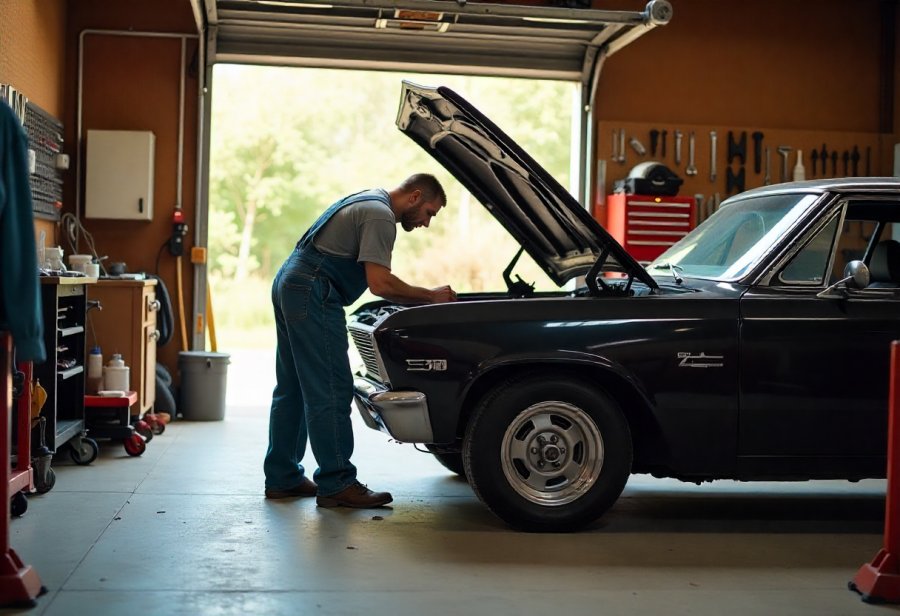
A backyard garage is more than just a place to store a vehicle; it’s a personal sanctuary where a passion for machines comes alive. It’s a space filled with tools, memories, and a sense of purpose, where craftsmanship transforms from a skill into a way of life. Whether tuning an engine, restoring a vintage car, or tinkering on a rainy afternoon, this space offers a refuge for creativity and patience. It’s where old machines are reborn and new skills are learned, driven by a love for mechanical artistry that feels timeless and personal.
The garage often reflects its owner’s personality and history. Walls are lined with pegboards holding wrenches, screwdrivers, and pliers—all within easy reach—while workbenches are cluttered with parts, old spark plugs, and ongoing projects. The air is thick with the scent of engine oil and grease, creating an authentic workshop vibe that’s both familiar and inspiring. Natural light filters through a small window or open door, highlighting the details of each task and adding warmth to the busy atmosphere.
More than a functional workspace, the garage acts as a sanctuary where patience and resilience are cultivated. Hours slip by unnoticed as mechanics work in a rhythmic, meditative flow—tightening bolts, checking alignments, or cleaning parts. Every scratch on the paint, every vintage poster on the wall, and every organized shelf tells a story of dedication and love for machines. This space becomes a retreat from everyday chaos, a place where focus and craftsmanship flourish.
This sanctuary is a reflection of passion—where each project, whether a simple tune-up or a full restoration, becomes a personal story. It’s about turning rust into revival and old parts into new memories. The garage embodies patience, skill, and a deep connection to mechanical art, making each repair or rebuild more than just a task; it’s a craft that’s passed down and shared among enthusiasts.
In this space, every bolt turned and every engine started becomes a small victory—proof that dedication and perseverance can bring old machines back to life. It’s a realm where patience pays off, and the love of mechanics is kept alive. The garage isn’t just a workshop; it’s a home for those who see beauty in the process and pride in their work, creating a legacy one project at a time.
Uncover the Hidden Secrets and Techniques of Vintage Restoration
Restoring vintage machines in a backyard garage often feels like uncovering hidden treasures. Behind the scenes, skilled mechanics employ a blend of traditional techniques and inventive tricks to breathe new life into old, neglected vehicles. Patience and keen attention to detail are essential, whether disassembling an engine piece by piece, gently cleaning decades of grime, or tracking down rare parts. Many backyard restorers rely on specialized tools—vintage pullers, custom-fabricated components, or hand-fabricated jigs—to maintain authenticity and quality. These techniques, often passed down through generations or developed through trial and error, form the core of true craftsmanship.
The drive to revive old machines is fueled by a genuine love for history and mechanical artistry. Each project becomes a personal journey, with hobbyists spending long hours sourcing rare parts, experimenting with repair methods, and visualizing the machine’s original glory. It’s about more than just fixing a vehicle; it’s about reconnecting with a bygone era, preserving craftsmanship, and creating a tangible link to the past. This passion transforms restoration from a simple repair into an art form, where every detail matters and each success feels like a small victory.
Assessing a vintage vehicle involves a thorough, almost detective-like approach. Mechanics strip down the car to evaluate rust, damage, and missing parts, often uncovering surprises beneath the surface. Restoring metal surfaces may involve wire brushing, rust removers, or even sandblasting, all aimed at bringing back the original shine. Damaged panels are repaired or replaced with custom-fabricated parts that match the original contours, while engines are rebuilt with meticulous care—disassembling, cleaning, and reassembling each component with precision. Authenticity remains key, guiding decisions from sourcing parts to applying finishes.
Many seasoned restorers have a few secret tricks that aren’t obvious at first glance. Using a rubber mallet instead of a hammer prevents damage during assembly, while homemade tools—crafted from scrap metal—help fit parts that are hard to handle. Applying penetrating oils carefully can loosen rusted bolts without damaging delicate components. Heat guns are employed to expand metal or soften adhesives, easing disassembly and repairs. These resourceful techniques, combined with a sharp eye and patience, enable craftsmen to achieve professional results on their own terms.
The pursuit of authenticity and craftsmanship is what elevates backyard restoration into a true art. Every challenge, from hidden rust to missing parts, becomes an opportunity to learn and innovate. These projects demand resilience, resourcefulness, and a respect for the machine’s history. The process isn’t just about fixing; it’s about honoring the craftsmanship of the past and passing on that appreciation through every bolt tightened and every surface polished. In the end, these hidden secrets and techniques define the soul of backyard mechanics—transforming rust into revival and old parts into timeless works of art.
Turn Passion into Art: The Creative Journey of Mechanical Revival
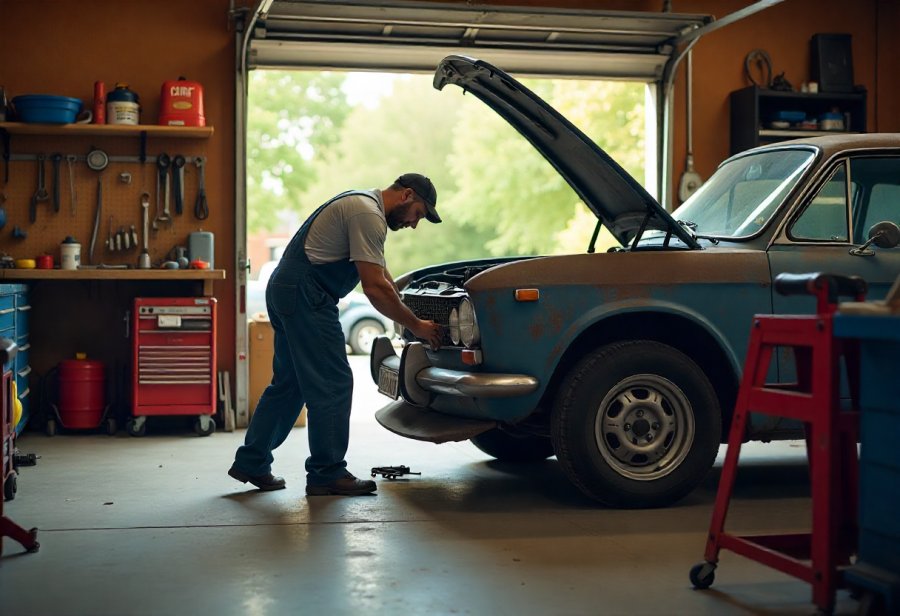
When passion and craftsmanship come together in a backyard garage, the transformation of old machines becomes an art form. It’s about more than just fixing a vehicle; it’s about pouring love and attention into every detail, turning rust and neglect into something beautiful and meaningful. This process is driven by a clear vision—seeing beyond the grime and dents to what the machine can become with patience and skill. Each step, from disassembly to polishing, is infused with purpose, creating a sense of pride in the work that’s hard to match.
The journey often starts with a simple idea: restoring a vintage car to its former glory or customizing a piece to reflect personal style. This vision keeps mechanics motivated through long hours of sourcing parts, fabricating patches, and experimenting with techniques. Watching a project evolve from scattered parts into a fully operational, eye-catching vehicle provides a deep sense of accomplishment. Every milestone—whether fitting a stubborn part or achieving a flawless paint finish—cements the connection between effort and reward.
Restoration is as much about preserving authenticity as it is about the final look. Every decision, from choosing original parts to applying period-appropriate finishes, reflects a commitment to honoring the machine’s history. This attention to detail transforms a basic repair into a deliberate act of preservation—an effort to maintain the integrity of a bygone era. It’s about respecting craftsmanship, understanding the vehicle’s story, and letting that story shine through in every weld, coat of paint, and restored component.
The satisfaction that comes with completing a project is unmatched. Hearing a vintage engine roar back to life after months of work is a moment of pure joy, proof that patience and love for the craft can turn an old relic into a shining symbol of perseverance. These moments of triumph reaffirm that passion and skill are the heart of backyard restoration. They turn a simple hobby into a personal masterpiece, one that embodies dedication, resilience, and a deep appreciation for mechanical art.
In the end, applying passion and craftsmanship is about creating more than just a restored vehicle; it’s about crafting a story of perseverance and pride. Every bolt tightened and every surface polished is part of a larger journey—transforming scrap into art, and effort into legacy. This process turns a backyard garage from a workspace into a sanctuary of creativity, where each project is a testament to the power of love for machines and the beauty of hands-on craftsmanship.
Insights from Experts: Mastering Craftsmanship and Preserving History
Many seasoned backyard restorers emphasize that the foundation of true craftsmanship lies in patience and a sharp eye for detail. They often point out that success isn’t merely about technical skills but also about understanding the subtle nuances of each vehicle’s design and history. Recognizing signs of rust, wear, or structural damage early can make all the difference between a good restore and an exceptional one. These experts stress that studying original specifications and doing thorough research before starting a project ensures authenticity and respect for the machine’s legacy.
Quality tools and genuine or high-quality replacement parts are recurring themes among experienced restorers. While it’s tempting to cut costs with aftermarket options, many warn that shortcuts can compromise both safety and authenticity. Investing in reliable hand tools and sourcing parts from reputable suppliers often pays off in the long run. Documenting each step, whether through photos or notes, helps prevent mistakes and keeps complex assemblies—like engines or suspensions—organized and manageable.
Community and mentorship play vital roles in shaping the culture of backyard mechanics. Learning from more experienced friends, joining online forums, or participating in local clubs accelerates skill development and fosters camaraderie. Sharing tips, swapping parts, or troubleshooting issues together creates a supportive environment where craftsmanship is passed down and innovation thrives. These interactions keep the passion alive and encourage continuous learning, reinforcing that mastery grows through shared experience.
Attention to small details is a hallmark of skilled restorers. Noticing minor imperfections—like a misaligned panel, a faint scratch, or a slightly off-torque—can elevate a project from good to exceptional. Developing this awareness takes time and practice but is essential for maintaining authenticity. Many seasoned mechanics stress that these nuances distinguish professional-level finishes from basic repairs, emphasizing that craftsmanship often resides in these subtle touches.
Beyond technical skills, a deep respect for preserving history shapes the ethos of backyard restoration. Restorers aim to stay true to the vehicle’s original design by choosing period-correct parts and finishes. This reverence for authenticity leads to careful decision-making, especially when faced with challenges like hidden rust or missing components. Viewing these obstacles as opportunities to learn and adapt keeps the craft vibrant and meaningful, reinforcing a culture of resilience and respect for the past.
Ultimately, the culture of backyard mechanics is driven by a blend of resilience, resourcefulness, and a shared passion for preservation. It’s about more than just fixing cars—it’s about honoring craftsmanship and passing down skills. The stories of those who restore are filled with patience, perseverance, and a love for the art of mechanical revival. These collective values ensure that the spirit of backyard restoration continues to thrive, inspiring new generations to pick up the wrench and keep the tradition alive.
Begin Your Restoration Adventure: Embrace Patience, Skill, and Creativity
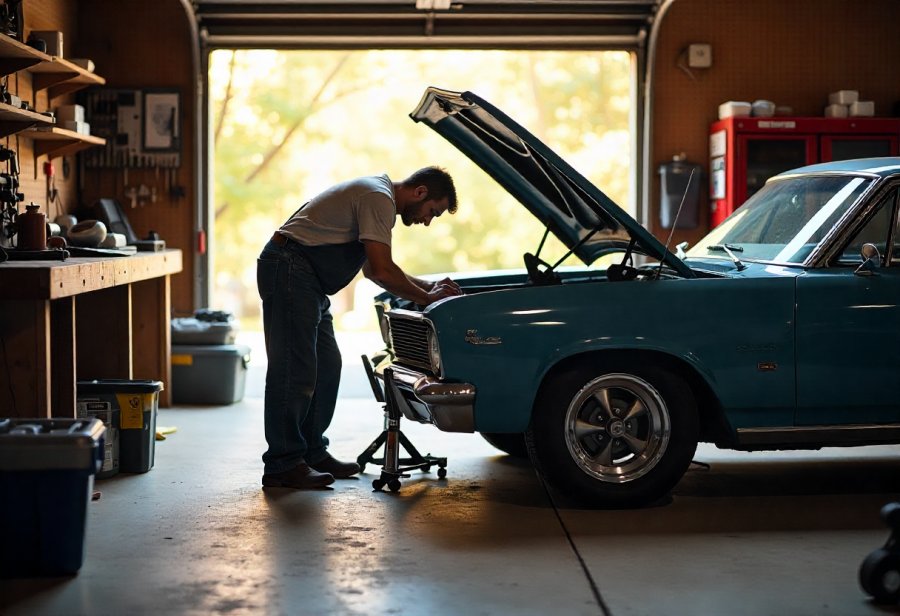
Restoring a vintage machine in your backyard garage isn’t just about fixing old parts; it’s about building skills, sparking creativity, and deepening your connection to craftsmanship. Each bolt turned and every component reassembled adds to your confidence and understanding of how these machines work. Over time, what begins as a hobby can grow into a true craft—one driven by patience, resourcefulness, and genuine love for mechanics.
The main themes—passion, craftsmanship, patience, and resourcefulness—are what make this journey so rewarding. Turning a rusty shell into a shining example of perseverance and skill transforms frustration into pride. Focusing on these principles helps you see each project as an opportunity to learn and improve, rather than just a task to complete. Every small victory, whether fitting a stubborn part or achieving a flawless finish, reinforces your dedication and pushes you toward more ambitious goals.
Starting your restoration journey doesn’t have to be intimidating. Begin with a project that excites you—maybe a vintage part or a simple engine tune—and gather basic tools. Don’t be afraid to reach out to online communities or local enthusiasts for advice. Remember, every expert was once a beginner, and most are eager to share their knowledge. Taking that first step might be the hardest, but it’s where your skills and confidence will start to grow.
Patience remains your most valuable ally. Restoring old machines takes time and often involves setbacks—discovering hidden rust or missing parts. Instead of viewing these as failures, see them as chances to learn new techniques and refine your skills. Approach each obstacle with curiosity and resilience. Overcoming these challenges not only improves your craftsmanship but also builds character and persistence.
Documenting your progress—through photos, notes, or diagrams—can make a big difference. It helps you stay organized and provides a record of your growth. Looking back at your work can be inspiring, especially during more challenging projects. Sharing your experiences with others fosters a sense of community, keeps your passion alive, and encourages continuous learning.
Most importantly, enjoy every step of the process. Each disassembly, weld, or polish is a chance to connect with the machine and the culture of restoration. The pride of hearing a vintage engine roar back to life after months of effort is unmatched. Your dedication not only preserves a piece of history but also keeps alive the spirit of craftsmanship that defines backyard mechanics.
This journey is ongoing, shaped by your curiosity and love for machines. With patience, practice, and a willingness to learn, each project adds to a legacy of skill and passion. Keep pushing your boundaries, stay inspired, and remember—every bolt you tighten is part of a story that’s uniquely yours. Restoring in your backyard isn’t just a task; it’s a craft that fuels your passion and preserves a timeless art.